
Soldering copper creates strong, clean joints that are perfect for water lines, decorative pieces, or electronics. When I first started, I made a mess—blobby joints, leaks, and burnt copper. But after plenty of practice and a few mistakes, I’ve nailed down a process that works every time.
I’m sharing my step-by-step approach to soldering two pieces of copper together, loaded with tips from my experience. Whether you’re a DIYer patching a pipe or a hobbyist creating art, I’ll keep it simple and engaging so you can get those joints right.
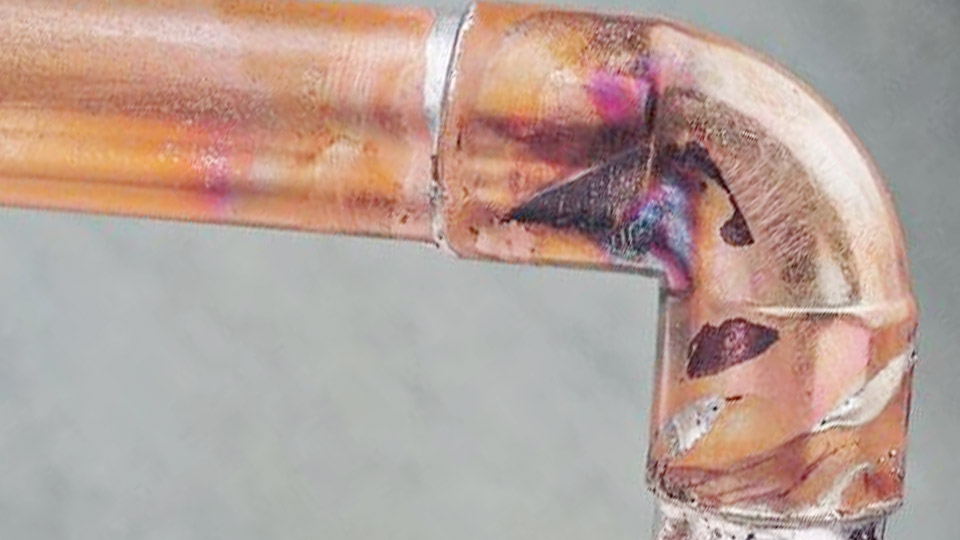
Image by familyhandyman
Why Soldering Copper Is a Great Skill
Soldering two pieces of copper together is one of my favorite techniques because it’s versatile and reliable. Copper is awesome—corrosion-resistant, conductive, and easy to work with.
I’ve soldered copper pipes for plumbing, wires for electronics, and sheets for crafts. Unlike brazing or welding, soldering uses a low-temperature filler metal (solder) that melts below 840°F, so you don’t need heavy-duty equipment, and it’s safer for thin or delicate copper.
The joints are strong enough for water lines or electrical connections but not for high-pressure systems like HVAC refrigerant lines (that’s for brazing). The challenge is getting the copper clean and the heat just right, but once you master it, you’ll love the results.
Basics of Soldering Copper
Before we get to the how-to, let’s talk about what soldering copper is all about. When I first started, I was confused by the tools and the process. But it’s really straightforward. Soldering uses a heat source, like a propane torch or soldering iron, to melt a solder (a metal alloy, usually tin-lead or lead-free) that flows into the joint between two copper pieces, bonding them.
The copper doesn’t melt; only the solder does. For plumbing, you’ll likely solder pipe fittings, while for crafts or electronics, you might join sheets or wires. Here’s what you’ll be working with:
- Heat Source: A propane torch for pipes or a soldering iron for wires/sheets.
- Solder: A wire or coil, like lead-free tin-silver for plumbing or rosin-core for electronics.
- Flux: A paste or liquid to clean the copper and help the solder flow.
- Copper Pieces: Pipes, sheets, or wires, depending on your project.
- Cleaning Tools: Wire brushes, sandpaper, or emery cloth to prep the copper.
- Safety Gear: Safety glasses, gloves, and a fire-resistant work surface.
Let’s go through my step-by-step process for soldering copper, based on years of trial and error.
Step-by-Step Guide to Soldering Two Pieces of Copper Together
Here’s how I solder two pieces of copper together, whether it’s pipes for a water line, wires for electronics, or sheets for a craft project. This process is adaptable, but I’ll focus on common scenarios like plumbing and crafts. Follow these steps, and you’ll get clean, strong joints.
Step 1: Gather Your Tools and Materials
Before I start soldering, I make sure I have everything I need. Here’s my checklist:
- Propane torch (for pipes or larger joints) or soldering iron (for wires or thin sheets, 40–80 watts).
- Solder (I use lead-free tin-silver for plumbing or rosin-core tin-lead for electronics).
- Flux (petroleum-based or water-soluble flux for plumbing; rosin flux for electronics).
- Wire brush, sandpaper, or emery cloth for cleaning.
- Safety gear: Safety glasses, heat-resistant gloves, and a fire-resistant apron.
- Fire extinguisher or a bucket of water for safety.
- Copper pieces (like 1/2-inch pipes and fittings, wires, or 20-gauge sheets).
- Pipe cutter or hacksaw for cutting pipes or sheets.
- Cleaning cloth or acetone to remove oils.
- Flux brush or applicator for applying flux.
- Clamps or pliers to hold small pieces.
- Heat-resistant mat or firebrick to protect your workspace.
I keep my tools organized to avoid stopping mid-job. Once, I ran out of solder during a plumbing repair, and it was a pain. Now, I always check my supplies first.
Step 2: Prepare the Copper Surfaces
Clean copper is the secret to a great solder joint. Copper can have tarnish, dirt, or oils from handling, which block solder flow. For pipes, I cut them to length with a pipe cutter for a clean edge, then deburr the inside with a wire brush or sandpaper.
I clean the outside of the pipe and the inside of the fitting with a wire brush or emery cloth until they’re shiny. For sheets or wires, I sand the surfaces with fine sandpaper or scrub with a wire brush.
I apply a thin layer of flux to the cleaned areas with a flux brush. Flux removes oxides and helps the solder stick to the copper. For electronics, I use rosin flux to avoid corrosion. One time, I rushed the cleaning on a pipe joint, and it leaked water. Now, I’m super careful to get the copper shiny before soldering.
Step 3: Assemble the Joint
Before heating, I fit the copper pieces together. For a pipe joint, I slide the tube into the fitting until it’s fully seated. For sheets, I align the edges for a butt joint or overlap them for a lap joint (about 1/4 inch). For wires, I twist them together or lay them side by side. I check for a snug fit—gaps bigger than 0.002 inches can weaken the joint. If the fit isn’t tight, I adjust with pliers or sandpaper.
For small or delicate pieces, like wires or thin sheets, I use clamps or pliers to hold them steady. For pipes, the fitting usually holds itself. I make sure the joint is aligned to avoid crooked or weak joints. A good fit-up is crucial—once, I soldered a misaligned sheet, and it looked terrible.
Step 4: Set Up Your Heat Source
For plumbing, I use a torch because pipes need more heat. I light the torch with a striker and adjust to a blue flame with a sharp inner cone for focused heat. For wires or thin sheets, I use a soldering iron, letting it heat up to 200–400°F (100–200°C) depending on the solder type. I clean the iron tip with a damp sponge or wire cleaner to keep it shiny.
I test the heat on a scrap piece of copper to make sure it’s right. Too much heat from a torch can burn the flux, and a too-hot iron can damage wires. For thin sheets, I use a lower flame or iron setting to avoid warping. One time, I overheated a wire joint, and the insulation melted. Now, I’m careful with the heat settings.
Step 5: Heat the Joint
Heating the copper is where the magic happens. For a pipe joint, I hold the torch about 1–2 inches from the fitting, moving the flame in a circular motion to heat evenly. Copper conducts heat fast, so I focus on the fitting, which is thicker. I watch for the flux to bubble and turn clear, which means the copper is hot enough (around 400–600°F).
For sheets or wires, I apply the soldering iron tip to the joint area, holding it until the copper is warm. I don’t overheat—thin copper can warp or burn. I heat both pieces equally to ensure the solder flows into the joint. One time, I rushed heating a pipe, and the solder didn’t flow properly. Now, I take my time to get the temperature right.
Step 6: Apply the Solder
When the joint is hot enough, I touch the solder wire to the edge of the joint, not the flame or iron. If the copper’s at the right temperature, the solder melts and flows into the joint by capillary action. For a pipe, I feed solder around the fitting’s edge, creating a shiny ring.
For sheets or wires, I apply just enough solder to form a smooth, even fillet. For a 1/2-inch pipe joint, I use about 6–8 inches of solder; for a small wire joint, just a dab.
I don’t overdo it—too much solder makes blobby joints. If the solder doesn’t flow, I reheat slightly or add more flux. Early on, I applied solder to the flame, and it just dripped off. Now, I let the copper’s heat melt the solder, and my joints are clean.
Step 7: Cool and Clean the Joint
After soldering, I let the joint cool naturally. Quenching in water can cause cracks, so I avoid it. Once cool, I wipe off flux residue with a damp rag or scrub with a wire brush. Flux can corrode copper, so I’m thorough. For electronics, I use a little isopropyl alcohol to clean rosin flux. I inspect the joint for a shiny, smooth finish with no gaps. A good solder joint looks like a clean, silver-like bond.
Step 8: Test the Joint
Testing is critical, especially for plumbing or electronics. For water lines, I turn on the water and check for drips with a dry cloth. For wires, I tug gently to ensure the connection is solid and test with a multimeter for continuity. For decorative sheet joints, I check for strength by pressing or tugging. If there’s a leak or weak bond, I clean the joint and re-solder. One time, I skipped testing a pipe joint, and it leaked overnight. Now, I test every joint to be sure.
Choosing the Right Solder and Flux
Picking the right solder and flux is key to a good joint. For plumbing, I use lead-free solder (like tin-silver or tin-copper) because it’s safe for drinking water. It melts at around 430–460°F. For electronics or crafts, I use rosin-core solder (tin-lead or lead-free), which has flux inside and melts at 360–460°F. For flux, I use petroleum-based or water-soluble flux for plumbing and rosin flux for electronics to avoid corrosion.
Here’s a quick guide to the solders and fluxes I use:
| Solder Type | Best For | Flux Required? |
|---|---|---|
| Lead-Free (Tin-Silver) | Plumbing, water lines | Yes (petroleum or water-soluble) |
| Rosin-Core (Tin-Lead) | Electronics, crafts | No (flux is inside) |
I choose based on the project’s needs and safety requirements. For home plumbing, lead-free is a must.
Techniques for Better Soldering
Soldering copper takes some finesse. Here are some tricks I’ve learned to make my joints stronger and cleaner.
Clean Thoroughly
Dirty copper ruins joints. I scrub until shiny and use acetone for greasy surfaces. A clean joint means better solder flow and stronger bonds.
Heat Evenly
Copper conducts heat fast, so I move the flame or iron to spread the heat. For pipes, I heat the fitting first; for wires, I touch the iron to both wires. Even heat prevents cold joints.
Use Just Enough Solder
Too much solder makes lumpy joints; too little leaves gaps. I apply just enough to fill the joint, creating a smooth fillet. Practice helps you get the amount right.
Work in a Ventilated Space
Flux fumes can be irritating. I work in a well-ventilated shop or near an open window. Safety glasses and gloves protect me from splashes or sparks.
Hold Pieces Steady
Shifting pieces can break the joint. I use clamps or pliers for wires or sheets and ensure pipe fittings are snug. A steady setup makes soldering easier.
Common Mistakes and How to Avoid Them
I’ve made plenty of mistakes soldering copper over the years. Here are the ones I’ve learned to avoid.
Overheating the Copper
Too much heat burns flux or damages wires. I watch for bubbling flux and stop heating once the solder flows. A lower flame or iron setting helps with thin copper.
Poor Cleaning
Dirty surfaces block solder. I once soldered a tarnished pipe, and it leaked. Now, I clean until shiny and apply flux generously.
Using Too Much Solder
Blobby joints look bad and can hide gaps. I use just enough solder to fill the joint. If I overdo it, I reheat and wipe off excess with a cloth.
Not Applying Flux
Skipping flux leads to poor solder flow. I always use flux for plumbing and rely on rosin-core solder for electronics. Fresh flux works best.
Moving the Joint Too Soon
Moving the joint before it cools can crack it. I let it cool naturally for 30–60 seconds before touching. Patience pays off.
Applications for Soldering Copper
I’ve soldered copper for all sorts of projects. Here are some common ones:
- Plumbing Repairs: Joining pipes and fittings for water or gas lines.
- Electronics: Connecting wires or components on circuit boards.
- Jewelry and Crafts: Creating decorative pieces or sculptures with copper sheets.
- Automotive: Fixing copper radiators or fuel lines.
- DIY Projects: Building custom fixtures or art with copper pipes or sheets.
Each project needs careful prep and testing, but soldering is super versatile.
Safety Tips for Soldering Copper
Soldering involves heat and fumes, so safety is a big deal. Here’s what I do to stay safe:
- Wear Safety Gear: Safety glasses protect my eyes, and gloves shield my hands from hot solder or copper.
- Ventilate the Area: Flux fumes can irritate. I work in a ventilated space or use a fume extractor.
- Keep a Fire Extinguisher Nearby: Sparks or flames can start fires. I have an extinguisher and water bucket ready.
- Use a Heat-Resistant Surface: I solder on a firebrick or heat-resistant mat to protect my bench.
- Avoid Flammable Materials: I clear my workspace of paper, rags, or chemicals before starting.
One time, a spark caught a rag on fire, so I’m extra cautious now.
Tips for Soldering Success
Here are some tips I’ve picked up to make soldering copper easier and more reliable:
Practice on Scrap: Solder spare copper to test your heat and solder flow. It’s like a warm-up that saves mistakes.
Use the Right Heat: A propane torch for pipes, a soldering iron for wires or sheets. Match the tool to the job.
Keep Flux Fresh: Store flux in a sealed container to avoid clumping. Fresh flux flows better.
Invest in Quality Solder: Cheap solder can be brittle. I use trusted brands like Oatey or Alpha Metals.
Test Every Joint: Run water through pipes or test wires with a multimeter to catch issues early.
Work Slowly: Rushing leads to sloppy joints. Take your time with cleaning and heating.
Solder Copper with Confidence
Soldering two pieces of copper together is a skill that’s both practical and satisfying. There’s nothing like seeing a shiny, leak-proof joint you created, knowing it’ll hold up for years. I’ve spent years perfecting my technique, learning from leaks, blobby joints, and burnt copper.
With clean surfaces, the right solder, proper heat, and thorough testing, you can make joints that are strong and beautiful. Follow my steps, practice on scrap, and don’t skip the prep. Every joint you solder is a chance to improve your craft.
Common Questions About Soldering Two Pieces of Copper Together
What’s the best solder for copper?
I use lead-free tin-silver for plumbing and rosin-core tin-lead for electronics. Choose based on your project and safety needs.
Do I need flux to solder copper?
Yes for plumbing, to clean the copper and help solder flow. For electronics, rosin-core solder has flux built in.
Why did my soldered joint leak?
Leaks come from dirty copper, insufficient heat, or too little solder. Clean thoroughly, heat evenly, and use enough solder.
Can I solder copper with a soldering iron?
Yes, for wires or thin sheets, but use a propane torch for pipes because it provides more heat.
How do I know if I’m overheating the copper?
If the flux burns black or the copper discolors, it’s too hot. Use a lower flame or iron setting and heat slowly.
How do I clean flux off after soldering?
I wipe with a damp rag or use isopropyl alcohol for rosin flux to prevent corrosion.
Why isn’t my solder flowing properly?
Poor flow comes from dirty copper, insufficient heat, or not enough flux. Clean well, heat evenly, or apply more flux.
Is soldering copper safe for drinking water pipes?
Yes, if you use lead-free solder and flux. I always test for leaks to ensure the joint is secure.


