
I’ve been a pipe welder for years, and I still get a thrill every time I strike an arc. People often ask me, “What do pipe welders do?” It’s a fair question—pipe welding isn’t just welding; it’s a specialized trade that keeps industries running, from oil refineries to your home’s plumbing.
I’ll take you through a day in my boots, share real stories from the field, and break down the skills, tools, and challenges that define pipe welding. If you’re curious about the job or thinking about picking up a torch yourself, I’ve got you covered.
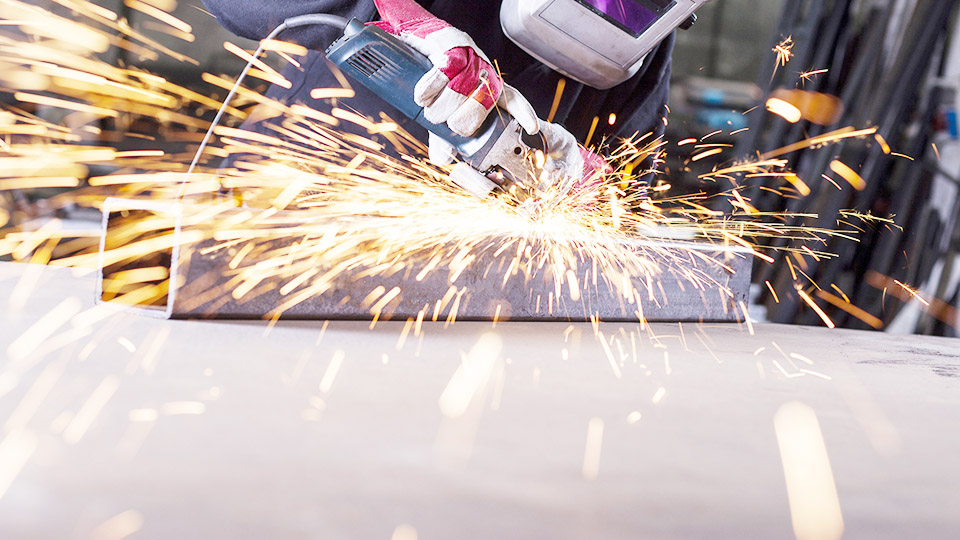
Image by indeed
Heart of Pipe Welding: What’s It All About?
Pipe welding is the art and science of joining metal pipes to create leak-proof, pressure-resistant systems. I’ve worked on everything from water lines in skyscrapers to high-pressure gas pipelines in the middle of nowhere. Pipe welders build the backbone of industries like oil and gas, construction, manufacturing, and even food processing. Our welds have to be perfect—lives, safety, and millions of dollars depend on it.
Why is it so specialized? Pipes carry liquids, gases, or even steam, often under extreme conditions. A bad weld can lead to leaks, explosions, or system failures. I’ll never forget my first big job on a natural gas line—every bead I laid down felt like a test of my entire career.
Key Responsibilities of a Pipe Welder
As a pipe welder, my days are never the same, but here’s what I typically do:
- Read blueprints to understand pipe layouts.
- Prepare pipes by cutting, beveling, and cleaning them.
- Weld pipes using techniques like TIG, MIG, or stick welding.
- Inspect welds for strength and quality.
- Work with other trades like fitters and inspectors.
Each job comes with its own challenges, but that’s what keeps it exciting.
A Day in the Life of a Pipe Welder
Let me walk you through a typical day on a job site. Last year, I worked on a refinery project in Texas, and it’s a good example of what pipe welders do.
Morning: Prep and Planning
I start my day at 6 a.m., coffee in hand, reviewing blueprints with my crew. Blueprints show where pipes go, what material they’re made of (like carbon steel or stainless), and what welding process to use. On this job, we were installing high-pressure steam lines, so every weld had to pass X-ray inspection.
Next, I grab my tools—grinders, torches, and welding rods—and head to my station. I check the pipes for fit-up, making sure the ends are beveled and aligned. If they’re not, I’ll grind or cut them myself. Prep work is half the battle—sloppy prep means sloppy welds.
Midday: Laying Down Welds
By 10 a.m., I’m welding. For this job, I used TIG (tungsten inert gas) welding for the root pass because it gives me precision. The root pass is the first layer of weld, and it’s got to be flawless. I’m crouched in a tight space, shielding my eyes from the bright arc, feeding filler rod with one hand while controlling the torch with the other. It’s like patting your head and rubbing your belly at the same time!
Pipe welding often means working in awkward positions—upside down, overhead, or squeezed between pipes. My knees and back ache by noon, but that’s part of the gig. Lunch is a quick 30 minutes, usually spent joking with the crew about who burned the best bead.
Afternoon: Inspection and Cleanup
After lunch, I finish my welds, adding filler and cap passes to build up the joint. Each weld takes about 20–30 minutes, depending on the pipe’s size and thickness. Once done, I clean the weld with a wire brush and check it visually. If it looks good, I call over the inspector. On this job, we had X-ray techs checking every weld—talk about pressure!
By 4 p.m., I’m cleaning my workspace and prepping for the next day. I might cut more pipes or organize materials. Quitting time is 5 p.m., but overtime is common, especially on big projects.
Skills You Need to Be a Pipe Welder
Pipe welding isn’t just about welding—it’s a mix of technical know-how, physical stamina, and problem-solving. Here’s what I’ve learned you need to succeed.
Technical Skills
I started as a general welder, but pipe welding required me to level up. You need to master:
- Welding Processes: TIG for precision, stick for outdoor jobs, MIG for speed.
- Blueprint Reading: You’ve got to know where every pipe goes.
- Pipe Prep: Cutting, beveling, and fitting pipes takes finesse.
- Inspection Standards: Welds must meet codes like ASME or API.
I spent years practicing TIG on thin stainless pipes to get my hand steady. It’s like learning to write with your non-dominant hand—frustrating but rewarding.
Physical and Mental Grit
Pipe welding is tough on the body. I’ve worked in 100°F heat and freezing snow, hauling heavy pipes and squatting for hours. You need strength, flexibility, and endurance. Mentally, you’ve got to stay sharp—mistakes can be costly. I once misread a blueprint and welded the wrong pipe. Fixing it cost me a day’s work and a lot of pride.
Problem-Solving
Every job has surprises—like pipes that don’t fit or last-minute design changes. I’ve had to improvise solutions, like using clamps to force a misaligned pipe into place or switching welding processes when the weather turned bad. Thinking on your feet is a must.
Tools of the Trade
A pipe welder’s tools are like a chef’s knives—personal and essential. Here’s what I carry in my toolbox:
| Tool | Purpose |
|---|---|
| Welding machine (TIG/MIG) | Powers the welding process. |
| Welding helmet | Protects eyes and face from arc flash. |
| Grinder and cutting torch | Preps pipes by cutting and beveling. |
| Filler rods and electrodes | Fills the weld joint. |
| Clamps and magnets | Holds pipes in place during welding. |
| Measuring tape and square | Ensures accurate fit-up. |
| Wire brush | Cleans welds and pipe surfaces. |
I’m picky about my welding helmet—it’s got to have a clear lens and fit snug. A good helmet makes long days easier on the eyes.
Where Pipe Welders Work
Pipe welders are everywhere industries need pipes. I’ve worked in:
- Oil and Gas: Pipelines, refineries, and offshore rigs.
- Construction: Plumbing and HVAC for buildings.
- Power Plants: Steam and cooling systems.
- Manufacturing: Food processing or chemical plants.
Each setting has its vibe. Refineries are loud and hectic, while food plants are clean and strict about contamination. Offshore rigs? They’re a whole different beast—long shifts, rough seas, and big paychecks.
Challenges Pipe Welders Face
Pipe welding isn’t all glory. Here are the hurdles I deal with regularly.
Physical Strain
After 20 years, my body feels it—sore knees, stiff shoulders, and occasional burns. Welding in tight spaces or at heights adds to the wear and tear. I stay in shape with stretching and light workouts to keep up.
High Stakes
A bad weld can cause leaks, fires, or worse. On a gas pipeline job, I knew a single weak weld could be catastrophic. That kind of pressure keeps you sharp but can be stressful.
Long Hours and Travel
Big projects mean 60–80-hour weeks and months away from home. I’ve missed birthdays and holidays, but the pay and pride in my work make it worth it. If you love adventure, the travel’s a perk—new cities, new crews, new challenges.
Weather and Environment
I’ve welded in pouring rain, blistering heat, and sub-zero cold. Outdoor jobs test your grit. Once, in North Dakota, my hands were so cold I could barely hold the torch. Heated gloves saved the day.
Why I Love Being a Pipe Welder
Despite the challenges, I wouldn’t trade this job for anything. There’s something satisfying about building systems that power the world. I love the camaraderie—welders are a tight-knit bunch, always sharing tips or pulling pranks. And the pay? It’s good. I’ve supported my family, bought a house, and saved for retirement, all thanks to pipe welding.
Plus, every job feels like a puzzle. Figuring out how to weld a tricky joint or fit a pipe in a cramped space keeps my brain engaged. When I finish a weld and it passes inspection, it’s like hitting a home run.
How to Become a Pipe Welder
Thinking about joining the trade? Here’s how I got started and what I’d tell my younger self.
Education and Training
I went to a trade school for a one-year welding program. It taught me the basics—stick, MIG, and TIG welding, plus blueprint reading. Some guys learn on the job as apprentices, which takes longer but pays you while you learn. Either way, practice is everything.
Certifications
Most jobs require certifications like AWS (American Welding Society) or ASME. I got my 6G certification, which tests your ability to weld pipe in all positions. It’s tough but opens doors to high-paying gigs. Recertifying every few years keeps you current.
Starting Out
My first job was as a welder’s helper, fetching tools and cleaning welds. It was humbling, but I watched the pros and soaked up their tricks. Within a year, I was welding pipes myself. Start small, be eager to learn, and don’t shy away from dirty work.
Pipe Welding vs Other Welding Jobs
How does pipe welding stack up against other welding roles? Here’s a quick comparison:
| Aspect | Pipe Welding | Other Welding (e.g., Structural) |
|---|---|---|
| Skill Level | High—requires precision and certifications | Moderate to high, varies by job |
| Pay | $30–$60+/hr, often with overtime | $20–$40/hr, less overtime |
| Work Environment | Confined spaces, pipelines, plants | Shops, bridges, construction sites |
| Job Demand | Steady, especially in oil/gas | Steady but broader applications |
Pipe welding pays better but demands more skill and stamina. If you love a challenge, it’s the way to go.
Safety First: Staying Safe as a Pipe Welder
Safety is non-negotiable. I’ve seen guys get hurt from skipping precautions, so here’s what I do:
- Wear PPE—gloves, helmet, flame-resistant jacket.
- Check for leaks before welding near gas lines.
- Use proper rigging—don’t let pipes fall.
- Stay hydrated and take breaks in extreme heat.
- Keep a fire extinguisher handy.
Once, a spark caught some nearby insulation. I put it out fast, but it was a wake-up call. Respect the job, and it’ll keep you safe.
Practical Tips for Aspiring Pipe Welders
Here are some tips I wish I’d known starting out:
- Practice TIG welding on scrap pipe to build muscle memory.
- Invest in a good pair of comfortable work boots—your feet will thank you.
- Network with other welders—they’ll tip you off to good jobs.
- Keep your certifications up-to-date.
- Learn pipefitting basics; it makes you more valuable on the job site.
Pipe Welding is a Craft Worth Mastering
So, what do pipe welders do? We build the world’s infrastructure, one weld at a time. It’s a job that’s physically tough, mentally sharp, and deeply rewarding. From the roar of the arc to the pride of a perfect weld, pipe welding has been my life purpose.
It’s been my life for 20 years. If you’re curious about the trade or ready to start your own journey, take it one step at a time. Learn the skills, practice relentlessly, and don’t be afraid to get a little dirty. The world needs pipe welders—maybe you’ll be one of the next one.
FAQ
How much do pipe welders make?
I’ve seen hourly rates from $30 to over $60, depending on experience, location. Overtime and travel perks like per diem can boost your paycheck big significantly. Union jobs often pay top dollar.
What’s it’s the hardest part of pipe welding?
For me, it’s about welding in tight spaces or extreme weather conditions. The mental pressure of high-stakes welds, like those on gas lines, can also be intense. Practice helps you handle both.
Do pipe welders travel a lot?
Yeah, travel is common, especially for big pipeline or refinery jobs. I’ve worked across states and even overseas. Some love the adventure; others prefer local shop jobs.
What’s the best welding process for pipe welding?
TIG is my go-to for precision, especially on stainless or thin pipes. Stick welding is great for outdoor or heavy-duty work. You’ll use both, depending on the job.
Is pipe welding a good career?
It’s great if you love hands-on work and don’t mind the grind. I’ve built a solid life with good pay and pride in my craft. Demand is high, so it’s a stable choice too.


