
First time I picked up an oxy-acetylene torch—I thought cutting steel would be as simple as lighting the flame and pulling the trigger. Spoiler alert: it wasn’t. My first few tries left me with jagged edges, slag everywhere, and a few singed glove tips. Learning how to use a cutting torch to cut metal isn’t just about melting steel—it’s about mastering control, timing, and safety.
Once you get the hang of it, though, a cutting torch becomes one of the most powerful tools in the shop. You can slice through thick plate, trim rusty bolts, or cleanly cut scrap for fabrication—all without breaking out a grinder or plasma cutter. The trick is knowing how to set your pressures, adjust the flame, and move at the right pace for clean, smooth cuts.
If you’ve ever struggled with uneven cuts or sparks flying everywhere, don’t worry—I’ve been there. Let me walk you through the steps, settings, and real-world tips that make torch cutting not just easier, but a whole lot cleaner and safer.
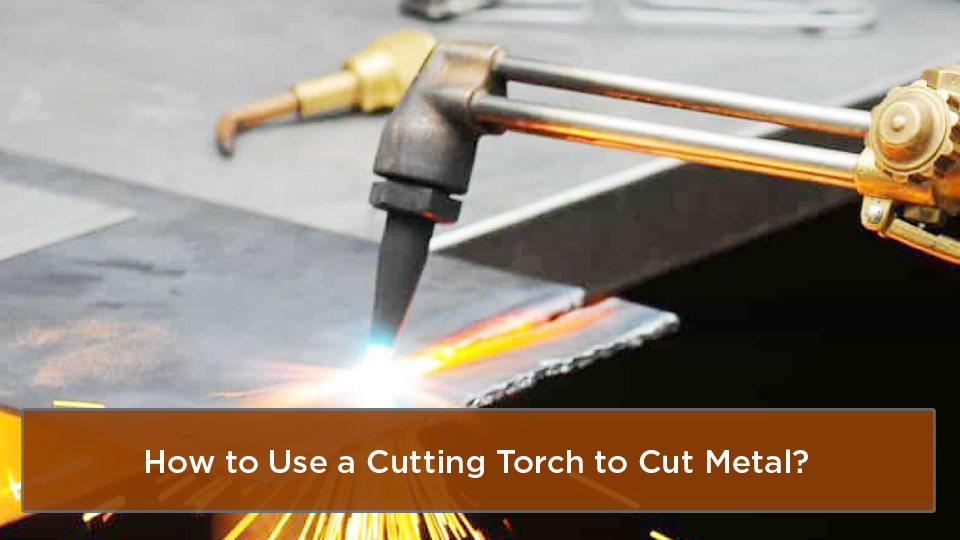
Image by kursy-udt.pl
What Is a Cutting Torch and How Does It Work?
A cutting torch isn’t some fancy plasma cutter humming with electricity—it’s a straightforward beast powered by two gases doing a fiery tango. At its core, it’s an oxy-acetylene rig, where acetylene (your fuel) mixes with oxygen to crank out a flame hotter than a blacksmith’s forge, topping 6,000 degrees Fahrenheit.
That heat preheats your metal to a cherry red, then a blast of pure oxygen turns it into a self-sustaining burn, oxidizing the edges away like butter under a hot knife.
Why bother with this over a grinder or saw? In my early days fabricating gates for ranchers, I switched to a torch for anything over a quarter-inch thick because it chews through steel like nothing else—fast, no blades to dull, and portable enough to lug to a remote job. It’s ideal for carbon steel plates, pipes, or I-beams where you need straight, repeatable cuts without the hassle of clamps and feeds.
But heads up: it shines on ferrous metals; try it on aluminum or stainless, and you’ll just end up with a shiny mess instead of a cut.
The magic happens in three phases: preheat, pierce, and travel. You heat a spot until it’s molten, hit it with the cutting oxygen lever, and let the exothermic reaction do the heavy lifting—blowing slag out the back as you go.
It’s not rocket science, but nailing the flame adjustment? That’s where the difference between a jagged hack job and a bevel-ready edge lives. If you’re prepping for a TIG weld later, this method gives you that feather edge pros chase.
Essential Safety Gear and Precautions Before You Start Cutting
Safety isn’t a checkbox—it’s the line between finishing your project and explaining to the boss why the shop smells like barbecue. I’ve got a scar on my forearm from a rogue spark back in ’08; it was a cheap lesson in skipping the full kit.
Start with fire-retardant everything: FR cotton shirt and pants that won’t melt to your skin, leather gloves thick enough to grip without singeing, and laced boots to keep slag from sneaking in like uninvited guests.
Your eyes are non-negotiable—shade 5 cutting goggles or a helmet with the right lens to block that blinding preheat glow. And don’t forget a good respirator if you’re in a tight space; acetylene fumes can sneak up on you.
Before firing up, scout your area like you’re casing a heist: clear flammables within 35 feet (OSHA’s rule, and trust me, sparks travel), lay down a welding blanket on concrete or dirt, and have an ABC extinguisher or water hose staged—no excuses.
Pro move: Do the sniff test with soapy water on all connections. Bubbles mean leaks, and leaks mean boom. Chain those tanks upright to a cart or post—they’re top-heavy grenades if they tip. And if you’re cutting overhead or in a confined spot, get a fire watch buddy; nothing kills the vibe like an unchecked ember starting a grease fire.
In my shop, we run a “three-check” ritual: gear on, area clear, tanks secure. It takes 30 seconds and buys you peace of mind for the whole cut.
Step-by-Step Guide to Setting Up Your Oxy-Acetylene Cutting Torch
Setting up feels like tuning a guitar—get the tensions right, or it’ll buzz out of tune mid-song. I’ve hauled Victor and Harris rigs across job sites for years, and the sequence never changes. First, secure your cylinders: oxygen green, acetylene red, both upright and chained. Screw on the regulators snug—use a crescent wrench, not pliers, to avoid stripping threads.
Crack the acetylene tank valve a quarter-turn counterclockwise; it’s a lefty-loosey deal with reverse threads to prevent mix-ups. Set your low-pressure gauge to 5-7 psi on the torch side—anything over 15 psi risks decomposition and a flashback. Purge the red hose by cracking the torch valve till you smell that garlic-like whiff, then shut it.
Switch to oxygen: full open the green valve (it’s double-seated, so crank it twice), then dial the regulator to 30-40 psi working pressure. Purge the green hose the same way, but no sniffing needed here. Attach your cutting attachment—size it to your metal thickness; a #1 tip for quarter-inch plate, #3 for an inch-plus.
| Tip Size | Metal Thickness | Acetylene PSI | Oxygen PSI (Preheat) | Cutting Oxygen PSI |
|---|---|---|---|---|
| #0 | Up to 1/4″ | 3-5 | 20-25 | 25-30 |
| #1 | 1/4″ – 1/2″ | 5-7 | 25-30 | 30-35 |
| #2 | 1/2″ – 1″ | 6-8 | 30-35 | 35-40 |
| #3 | 1″ – 3″ | 7-10 | 35-40 | 40-45 |
This table’s my go-to cheat sheet—pulled from countless charts, but always cross-check your manual for brand specifics like Smith or Airco. Common goof: Over-pressuring acetylene, which makes the flame lazy and sloppy. Fix it by backing off slow; steady is sexy here.
How to Light and Adjust the Flame on Your Cutting Torch
Lighting the torch is like striking a match in the wind—deliberate and away from your face. Stand with the tip pointed downrange, acetylene valve cracked just enough for a hiss. Grab your striker (flint wheel, not a Bic—sparks beat open flame every time), and spark it about an inch from the tip. You’ll get a sooty yellow puff; that’s normal.
Now, feather in the preheat oxygen till the flame pulls in tight—a bushy acetylene feather means too lean, so add more fuel.
Aim for neutral: a sharp blue inner cone about 1/8-inch long, no hiss or feather. Too much oxygen? It’ll shriek and pop back; dial it down. I once rushed this on a demo for the crew and got a flashback—scary orange whoomph inside the handle. Lesson: Install flashback arrestors if your rig lacks ’em; they’re cheap insurance.
For cutting, that neutral flame’s your preheat buddy—holds steady at 5,500 degrees to cherry the metal without oxidizing it prematurely.
Test it on scrap: If the pool forms even and bright, you’re golden. Adjust on the fly for wind or altitude; up in the Rockies, I bump oxygen 5 psi to compensate. Patience here pays off in smoother starts.
Mastering the Cutting Technique: Tips for Clean Cuts on Steel
Mark your line with soapstone; it’s heat-resistant and wipes clean. Hold the torch 1/8-inch above the edge, cone kissing the surface, and preheat till you see that molten puddle sparkle—30 seconds for half-inch plate, longer for thicker.
Squeeze the oxygen lever smooth; don’t stab it. The cut should start with a puff of sparks, then roar to life as the reaction kicks in. Tilt the torch 5-10 degrees back, drag it at beer-can speed (about 1-2 inches per second), and watch the kerf: Slag should fountain out the bottom clean. If it lags, you’re too fast—slow down, or the edge drosses up like bad bacon.
Pro tip from the field: For straight runs, clamp a straightedge guide; it beats freehand wobbles every time. On bevels for welding prep, angle 22.5 degrees for V-grooves. I cut a trailer frame once, rushing the pierce on 1-inch beam—got a blowback hole.
Fix? Start at the edge, not dead center, and use a rosebud tip for fat preheat on cold days. Clean edges mean less grinding later, saving your arms and your sanity.
Cutting Different Types of Metal with a Torch: What Works and What Doesn’t
Your torch’s a steel slayer, but it’s picky about its victims. Carbon steel? Dream team—up to 12 inches thick with the right tip, perfect for dismantling old machinery or shaping boiler plate. Preheat time scales with thickness: 10 seconds per 1/16-inch rule of thumb.
Cast iron’s trickier—graphite flakes make it gummy, so go slow and use a #2 tip at lower oxygen to avoid cracking. Mild steel pipes for plumbing fab? Preheat the full circumference first to dodge blowholes. But non-ferrous? Forget it.
Aluminum reflects heat and doesn’t oxidize right; you’ll melt it into a puddle before cutting. Stainless laughs it off too—high chrome resists the burn. In those cases, I pivot to plasma or abrasive saws; saved a stainless exhaust job from disaster that way.
For alloy steels, like 4140 chromoly in custom axles, drop preheat oxygen 10% to prevent hardening. Always quench post-cut if heat-treating’s next.
Real-world win: On a bridge repair in Ohio, we torched high-strength A36 beams—clean as a whistle, code-compliant per AWS D1.1.
| Metal Type | Pros of Torch Cutting | Cons | Best Tip Size |
|---|---|---|---|
| Carbon Steel | Fast, deep penetration, minimal distortion | Slag cleanup needed | #1-#3 |
| Cast Iron | Handles irregular shapes well | Prone to cracking if rushed | #2 |
| Mild Steel | Affordable, common in fab | Edge oxidation if over-preheated | #0-#2 |
| Alloy Steel | Precise for pre-weld prep | Risk of brittleness | #1 |
This quick compare keeps it simple—torch for what it loves, or you’ll fight it all day.
Common Cutting Torch Problems and How to Fix Them
Every rig has off days, like that time my Harris popped and sputtered mid-cut on a customer’s gate—turned out to be a clogged tip from yesterday’s slag.
First culprit: Unstable flame. Yellow and sooty? Too much acetylene—lean it with oxygen. Popping back? Excess pressure; bleed and reset to 5 psi.
Won’t pierce? Either insufficient preheat (give it 10 more seconds) or low cutting oxygen—bump to 40 psi. Sloppy kerf with drag lines? You’re hauling too quick; match speed to metal melt rate. Leaks hiss at connections? Tighten or replace O-rings; soapy test again.
Dirt’s the silent killer—clean tips with a tip cleaner set after every job, reaming holes gentle to avoid burrs. If flashback hits (rare with arrestors), shut valves fast and inspect. My fix-all: Daily blow-out with low-pressure air. Troubleshoot systematic, and you’ll cut like a vet.
| Problem | Likely Cause | Quick Fix |
|---|---|---|
| Popping Flame | Back pressure or mix off | Adjust to neutral, check regulators |
| Incomplete Cut | Low oxygen or fast travel | Increase PSI, slow down |
| Excessive Slag | Poor preheat | Extend heat time, clean edge |
| Hose Leak | Loose fittings | Tighten, soapy check |
| Won’t Ignite | Dirty tip or low fuel | Clean orifice, purge hose |
Keep this table taped to your cart—it’s beaten Murphy’s Law more than once.
Proper Shutdown and Storage of Your Cutting Torch After Use
Ending strong matters as much as starting. After your last pass, release the oxygen lever, then close the acetylene torch valve—fuel first, always, to snuff the flame clean. Shut oxygen next, then tank valves clockwise till snug.
Bleed the lines: Crack torch valves till gauges zero out; that whoosh vents residuals and saves regulator diaphragms from creep. Back off adjusting screws fully counterclockwise—no tension overnight. Coil hoses loose, caps on tips and tanks, and store upright in a dry shed away from corrosives or heat sources.
I store mine on a rolling cart with dividers—easy grab for the next gig. Skip this, and you’ll wake to flat regulators or acetylene weep. Weekly, inspect for cracks; replace hoses every five years per CGA standards. It’s 2 minutes that prevent a $500 headache.
Wrapping It Up: Why You’re Ready to Torch Like a Pro Now
From rigging up to shutting down, you’ve got the blueprint to wield a cutting torch with confidence, whether you’re demoing a rusted silo or prepping flanges for a pipeline weld. The big wins? Prioritize that neutral flame for clean oxidation, move deliberate to let the reaction breathe, and never skimp on safety—it’s the foundation of every solid cut I’ve made.
You’re not just hacking metal anymore; you’re crafting with control, saving time on cleanup and boosting that weld integrity down the line. Head to the shop, fire it up on some scrap, and feel the difference. For mirror-finish edges, post-cut with a flap disc at low RPM—turns good into great without grinding your life away.
FAQs
Can I Use a Cutting Torch on Aluminum?
No, not effectively—aluminum doesn’t oxidize like steel, so the torch just melts it unevenly. Stick to plasma cutters or saws for non-ferrous; I’ve botched enough beer cans to know.
What’s the Right Pressure for Cutting 1-Inch Steel Plate?
Aim for 7 psi acetylene, 35 psi preheat oxygen, and 40 psi cutting oxygen with a #2 tip. Always reference your chart, though—thicker metal or wind might need tweaks for a smooth pierce.
Why Is My Torch Flame Yellow and Sooty?
That’s excess acetylene without enough oxygen—it’s a reducing flame, great for welding but lousy for cutting. Add preheat oxygen slow till you get that sharp blue cone; it’ll stabilize right away.
How Do I Avoid Flashback When Using a Cutting Torch?
Flashback’s a pressure surge sucking flame back into the hose—prevent it with arrestors, keep acetylene under 15 psi, and light away from the tip. If it happens, valves off quick and check for damage.
Is Propane a Good Substitute for Acetylene in a Cutting Torch?
Propane works for thinner cuts under 6 inches, but it’s cooler (4,500 degrees vs. 6,000), so preheat takes longer. I use it for budget jobs, but acetylene’s king for speed on heavy plate.


