
When you’re out on a job doing quick repairs—like sealing a leaking copper line or heating a stubborn fitting that just won’t budge—you don’t always reach for a full welding rig. Sometimes a compact torch setup is all you need to get controlled heat and a clean result without overcomplicating the work.
That’s exactly where understanding What is Air-Acetylene Welding becomes important for anyone working in repair, plumbing, or light metal fabrication.
In real workshop and field conditions, air-acetylene welding is known for being simple, portable, and easy to light up compared to more complex gas setups. It gives a steady flame that’s great for light-duty joining, brazing, and heating tasks where precision matters more than deep penetration.
Still, it’s not a universal solution—its heat output, material range, and application limits are things every welder needs to understand before relying on it.
That’s why this topic matters. Knowing how and where air-acetylene welding fits in can help you work faster, avoid damage to sensitive parts, and choose the right process for the job instead of forcing the wrong one. I’ll break it down in practical terms so you can clearly see when it works best—and when you should switch to another method.

Image by detroittorch
What Is Air-acetylene Welding?
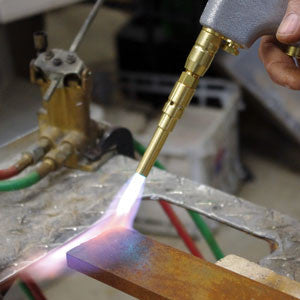
Air-acetylene welding is a process that uses a mixture of acetylene gas and atmospheric air to create a flame hot enough to melt and join metals. Unlike other welding methods that use oxygen (like oxy-acetylene welding), air-acetylene relies only on the oxygen present in the air.
This makes the equipment lighter, simpler, and more portable. However, the maximum temperature of the flame is lower than in processes using pure oxygen, so it is best suited for specific applications.
The process typically involves a hand-held torch, which mixes acetylene gas with air at the tip. When ignited, the flame produced can reach temperatures of about 2400°C (4350°F).
This is hot enough to melt many non-ferrous metals and perform tasks like soldering and brazing. Unlike arc welding or MIG/TIG methods, air-acetylene does not use an electric arc, which makes it safer in environments where electrical risks are a concern.
The Science Behind Air-acetylene Welding
Air-acetylene welding operates on a simple chemical reaction. Acetylene (C₂H₂) is a hydrocarbon gas that, when mixed with air and ignited, burns with a bright, hot flame. The reaction releases a significant amount of heat, making it useful for joining metals.
The key difference from oxy-acetylene welding is the oxidizer: air is 21% oxygen, while pure oxygen delivers a much hotter flame. Because of this, air-acetylene flames are cooler, but still effective for many applications.
The flame has two main zones:
- Inner cone: This is the hottest part and is used for most heating.
- Outer envelope: Slightly cooler, but useful for broader heating and soldering.
The nature of the flame also means that oxidation of the metal is less of a concern than with other fuel sources, but proper fluxes are still often needed to prevent contamination.
Equipment And Components
The air-acetylene welding setup is designed to be both simple and robust. The main components include:
- Acetylene cylinder: Stores the fuel gas under pressure.
- Regulator: Controls the flow of acetylene to the torch.
- Hoses: Carry acetylene from the cylinder to the torch.
- Air-acetylene torch: Mixes acetylene with atmospheric air at the nozzle.
- Torch tips: Different sizes and shapes for various jobs.
- Igniter: A flint spark lighter or similar device to safely start the flame.
- Protective gear: Safety glasses, gloves, and sometimes a face shield.
Each part plays a role in safety and performance. For example, the regulator ensures the pressure does not exceed safe levels, and the tip determines the size and heat of the flame. Unlike oxy-acetylene setups, you do not need a separate oxygen cylinder, which reduces weight and complexity.
How Air-acetylene Welding Works
The process can be broken down into clear steps:
- Preparation: Clean the metal surfaces to be joined. Remove oil, rust, and dirt.
- Assembly: Set up the joint or area to be welded or brazed. For pipes, this means a tight, clean fit.
- Equipment check: Ensure all connections are tight, and the regulator is set correctly.
- Ignition: Open the acetylene valve slightly and light the gas at the torch tip.
- Adjust flame: Set the flame to the desired size—a neutral or slightly carburizing flame is common.
- Apply heat: Move the flame over the joint evenly. For brazing, add filler metal as the base metal heats up.
- Finish: Allow the joint to cool naturally. Clean off any flux residue.
Air-acetylene welding is valued for its precise heat control and ability to work on thin materials without burning through. It is often used for tasks where control and finesse matter more than maximum heat.
Key Applications Of Air-acetylene Welding
Air-acetylene welding is not a one-size-fits-all technique. Its temperature range, flame characteristics, and portability make it ideal for certain tasks but less suitable for others.
Plumbing
One of the most common uses is joining copper pipes in plumbing. The flame is perfect for sweating joints, especially in water and gas supply lines. It provides enough heat for brazing and soldering, but not so much that it damages the pipe or nearby materials.
Refrigeration And Air Conditioning
Technicians use air-acetylene torches to braze copper tubing in refrigeration systems. The lower flame temperature helps prevent overheating delicate parts and avoids the risk of burning insulation or damaging components.
Jewelry Making And Repair
Jewelers prefer air-acetylene torches for tasks like soldering gold and silver, repairing chains, and working with small, delicate pieces. The flame can be finely controlled, reducing the chance of melting or warping intricate work.
Sheet Metal Work
Craftspeople and artists use air-acetylene welding for forming, bending, and joining thin sheets of brass, copper, or silver. The process is gentle enough not to warp thin materials.
Automotive And Hvac Repair
Mechanics and HVAC technicians use air-acetylene welding for brazing small components, fixing radiators, and repairing air conditioning lines. It is portable and quick to set up on job sites.
General Maintenance
Facilities teams use air-acetylene torches for quick fixes, such as repairing fences, brackets, and non-structural metal parts. Its portability is a major advantage for on-the-spot repairs.
Comparing Air-acetylene Welding With Other Methods
To understand where air-acetylene welding fits, it helps to compare it with other popular welding techniques. The table below highlights some key differences:
| Method | Max Flame Temperature | Portability | Applications | Skill Level Required |
|---|---|---|---|---|
| Air-Acetylene | 2,400°C | Very High | Plumbing, Jewelry, HVAC | Low to Medium |
| Oxy-Acetylene | 3,200°C | Medium | Cutting, Welding, Brazing | Medium to High |
| Arc Welding | Up to 6,000°C | Low | Heavy Fabrication | High |
| MIG/TIG Welding | 6,000°C+ | Low | Precision, Structural | High |
Air-acetylene stands out for its portability and ease of use, but it is not suited for thick steel or structural work.
Advantages Of Air-acetylene Welding
Many users choose air-acetylene welding for its unique benefits:
- Simple equipment: Fewer parts mean less can go wrong, and setup is fast.
- Portability: Lightweight and easy to carry to remote or difficult locations.
- Control: Excellent for fine work on small or thin parts.
- Safety: No high-pressure oxygen, which reduces explosion risk.
- Cost-effective: Lower operating costs since only one gas cylinder is needed.
- Versatility: Can be used for heating, bending, soldering, and brazing.
One less obvious advantage is that air-acetylene torches produce less oxidizing flame than oxy-acetylene setups. This can reduce metal contamination, which is especially important in jewelry and electronics work.
Disadvantages And Limitations
Despite its strengths, air-acetylene welding is not perfect for every job:
- Lower flame temperature: Cannot weld thick steel or cast iron effectively.
- Slower heating: Larger joints take longer to reach brazing temperature.
- Limited to non-ferrous metals: Best for copper, brass, silver, and gold.
- Not for heavy fabrication: Lacks the power for industrial-scale welding.
- Filler metal needed: For most joining, you need extra rods or wire.
Another less obvious limitation is flame stability. In windy outdoor conditions, the air-acetylene flame can be blown out more easily than an oxy-acetylene flame, which affects performance.
Common Filler Metals And Fluxes
Air-acetylene welding often uses filler metals and fluxes to join parts and prevent oxidation:
- Filler metals: Common choices are copper-phosphorus alloys for copper pipes, silver-bearing alloys for jewelry, and brass for general repairs.
- Fluxes: Paste or powder fluxes help keep the joint clean and prevent oxidation. They are especially important when working with silver or non-copper alloys.
The choice of filler and flux depends on the base metal, joint type, and desired strength. Always follow manufacturer guidelines for the best results.
Safety Tips For Air-acetylene Welding
Any welding process involves risks, but air-acetylene welding is generally considered safer than methods using pure oxygen or electricity. However, following safety practices is essential:
- Ventilation: Always work in a well-ventilated area. Acetylene is flammable and can be dangerous if it accumulates.
- Protective gear: Wear safety glasses, heat-resistant gloves, and protective clothing.
- Check for leaks: Use soapy water to check hose and cylinder connections for leaks before lighting the torch.
- Proper storage: Keep acetylene cylinders upright and away from heat sources.
- Fire extinguisher: Always have a suitable extinguisher nearby in case of accidents.
- No oil or grease: Never use oil on regulators or hoses—acetylene can react dangerously with oil.
One point beginners often miss: Never open the acetylene valve more than 1.5 turns. This limits the flow and makes it easier to shut off quickly in an emergency.
Selecting Air-acetylene Welding Equipment
Choosing the right equipment is key to safe and effective air-acetylene welding. Consider these factors:
- Torch size: Select a torch that matches the size of your typical work. Small torches are better for jewelry, while larger ones suit plumbing or HVAC.
- Tip selection: Use the correct tip for the job—small for detail work, larger for heating.
- Regulator quality: Invest in a good regulator with clear pressure gauges.
- Hose durability: Use hoses rated for acetylene; check regularly for cracks or leaks.
- Cylinder size: For portability, choose a smaller cylinder, but make sure it’s enough for your job size.
A common mistake is buying a torch that is too big or too small for your needs. If you do varied work, consider a kit with interchangeable tips.
Example: Air-acetylene In Plumbing
Imagine a plumber repairing a leaking copper pipe in a customer’s home. The job requires:
- Cutting out the damaged section
- Cleaning and fitting new pipe and couplings
- Using an air-acetylene torch to heat the joint evenly
- Applying solder to seal the connection
The lower flame temperature of air-acetylene is perfect here. It heats the joint enough for solder to flow but does not overheat and damage nearby insulation or walls. The plumber can carry the small torch and cylinder anywhere in the building, making repairs quick and non-intrusive.
Example: Jewelry Soldering
A jeweler uses an air-acetylene torch to solder a thin gold ring. The precise, adjustable flame minimizes the risk of melting the ring or damaging gemstones. The jeweler can control the heat and focus it exactly where needed, which is essential for high-quality repairs.
Cost And Efficiency
While air-acetylene welding may not match the raw power of industrial methods, it is very cost-effective for its target uses. The single-gas setup means fewer consumables and less maintenance. The table below outlines basic cost comparisons for common welding methods:
| Welding Method | Startup Cost (USD) | Running Cost (per hour) | Maintenance Level |
|---|---|---|---|
| Air-Acetylene | $150 – $300 | $2 – $5 | Low |
| Oxy-Acetylene | $250 – $500 | $4 – $7 | Medium |
| MIG/TIG | $500 – $2,000 | $5 – $10 | High |
For small shops and mobile professionals, air-acetylene’s lower costs and maintenance make it very appealing.
Environmental Impact
Air-acetylene welding produces fewer fumes than methods using flux-cored or coated electrodes. There is no electrical arc, so there is less ozone and nitrogen oxide generated. However, care must still be taken with ventilation, especially in small or enclosed spaces. Acetylene itself is a hydrocarbon, so it does have some carbon emissions, but overall, the environmental footprint for small jobs is modest.
Non-obvious Insights And Practical Tips
While air-acetylene welding seems straightforward, here are two points many beginners miss:
Tip cleanliness matters: A dirty or partially blocked torch tip can reduce flame temperature and cause uneven heating. Always keep the tip clean using the tool provided with your kit.
Heat control with distance: You can adjust the heat not only by changing the flame size but also by moving the tip closer or farther from the workpiece. Practice this to prevent overheating or burning delicate parts.
A third tip: Use the right flux for each metal. For example, silver soldering requires a different flux than copper brazing. The wrong flux can cause poor bonding or discoloration.
When Not To Use Air-acetylene Welding
Air-acetylene is not a universal solution. Do not use it for:
- Welding thick steel or iron (over 3 mm)
- Structural joints that require maximum strength
- Outdoor jobs in windy conditions
- Aluminum welding (requires different filler and technique)
For these tasks, consider switching to oxy-acetylene or arc welding methods.
Learning And Certification
While you do not need a license for basic air-acetylene welding, some industries require certification for brazing or soldering, especially in plumbing or HVAC. Many vocational schools and community colleges offer short courses on torch use, safety, and joint preparation.
Practicing on scrap material is a great way to build confidence before tackling real projects.
For more in-depth technical details, you can consult the Wikipedia page on gas welding.
Credit: detroittorch.com
Wrapping Up
Air-acetylene welding is a time-tested, reliable technique for joining and repairing non-ferrous metals, especially where precision and portability are needed. With the right equipment, safety practices, and a bit of practice, it can handle a wide range of tasks in plumbing, jewelry, and maintenance.
If you understand its strengths and limitations, air-acetylene welding can be a valuable tool in your workshop or on the job site.
Frequently Asked Questions
What Is The Maximum Temperature Of An Air-acetylene Flame?
The maximum flame temperature with air-acetylene is about 2400°C (4350°F). This is lower than oxy-acetylene but sufficient for soldering, brazing, and heating non-ferrous metals.
Can Air-acetylene Welding Be Used On Steel?
It can be used for brazing thin steel, but it is not suitable for welding thick or structural steel. The flame is not hot enough to melt steel efficiently for strong welds.
Is Air-acetylene Welding Safe Indoors?
Yes, if you follow proper safety rules. Make sure the workspace is well-ventilated, check for gas leaks, and keep flammable materials away. Always store acetylene cylinders upright.
What Types Of Metals Work Best With Air-acetylene Welding?
Copper, brass, silver, and gold are most suitable. The process is also used on thin sheets of mild steel for brazing, but not for welding heavy or thick steel parts.
How Is Air-acetylene Different From Oxy-acetylene Welding?
The main difference is the oxidizer: air-acetylene uses atmospheric air, while oxy-acetylene uses pure oxygen. This makes air-acetylene safer, more portable, and better for fine or small work, but with a lower maximum flame temperature.


