
Nothing tests a beginner’s patience faster than repeatedly sticking the electrode to the metal instead of starting a smooth arc. You tap the rod, it freezes in place, sparks fly everywhere, and suddenly the weld turns into frustration before the bead even begins.
That’s why learning How to Strike an Arc with a Stick Welder is one of the first real skills every welder needs to master.
In actual shop work, a clean arc start makes a huge difference in weld quality, rod control, and confidence. Too much force can damage the electrode, while too little movement leaves you struggling to maintain the arc. I’ve seen many new welders blame the machine settings when the real issue was simply the arc-starting technique.
Once you understand the motion and timing, striking an arc becomes second nature. I’ll break down the easiest methods, common mistakes that cause rods to stick, and practical tips that help you start cleaner welds with more control right from the beginning.
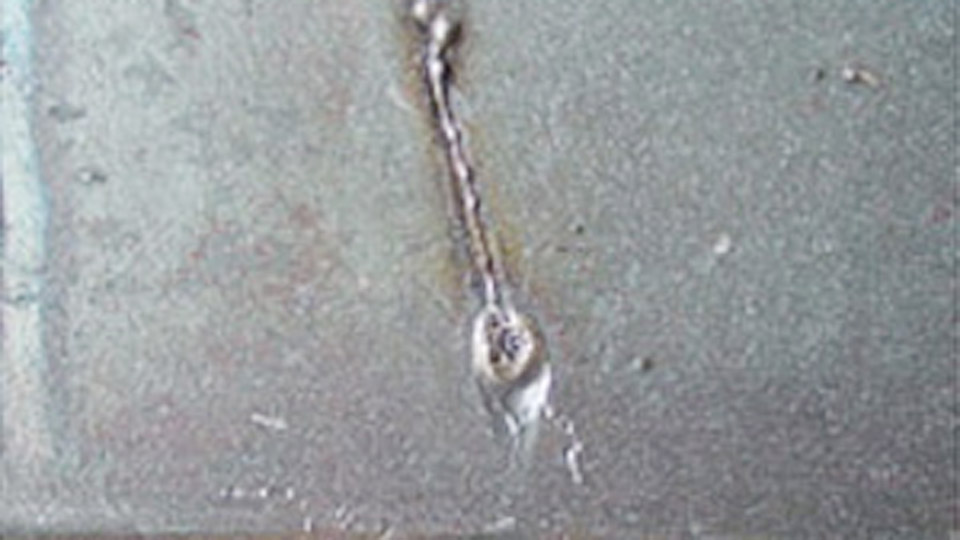
Image by nusatek
Why Mastering Arc Strikes Actually Matters in the Shop
Striking a reliable arc isn’t just the first step—it’s the foundation. A poor start leads to incomplete fusion, slag inclusions, or undercut that you’ll have to grind out later. On thicker material, it affects penetration. On thin stuff, it can burn through or warp the piece.
Proper arc initiation also controls rod burn-off rate, reduces spatter cleanup, and keeps your heat input consistent. In repair work, especially on dirty or rusty steel common in the US, a strong arc helps you push through contaminants without porosity. Get this right, and you’ll save time, rods, and frustration on every project.
Understanding SMAW: The Process Behind Stick Welding
Shielded Metal Arc Welding uses a flux-coated electrode (the “stick”) that melts to form the weld pool while the coating creates shielding gas and slag to protect the molten metal from the air.
The arc is the electric current jumping the gap between the electrode tip and the workpiece. It generates intense heat—around 6,500°F—to melt both the base metal and the rod.
Unlike MIG or TIG, SMAW is portable, works outdoors in wind, and handles dirty metal better, which is why it’s still king for field repairs, maintenance, and many fabrication shops across America.
Two Main Ways to Strike an Arc: Scratch vs. Tap
The Scratch Method (My Go-To for Beginners)
Drag the electrode tip across the workpiece like striking a match—light pressure, quick motion. As soon as the arc lights, lift slightly to establish your arc length. This works well on most machines and with rods like 6010 or 6011 that have good drive.
It’s forgiving if your amperage is a bit low because the dragging motion helps initiate current flow.
The Tap Method
Hold the electrode just above the plate, then tap it lightly and pull back immediately. This is cleaner for precision work and often preferred once you’re comfortable. Many pros like it for 7018 because it minimizes the chance of dragging slag or flux into the start.
I teach both, but recommend starting with scratch on DC machines. Practice on scrap until you can start consistently without sticking or having the arc wander.
Electrode Choices and How They Affect Arc Starting
Different rods behave differently when striking an arc:
E6010 and E6011: Deep penetrating, cellulose flux. Easier to strike, aggressive arc. Great for root passes, rusty metal, or all-position work. They forgive slightly lower amps better.
E6013: Rutile flux, smoother arc, easier for beginners on thin material. Less penetration.
E7018: Low-hydrogen, produces strong, ductile welds for structural or pressure work. Can be stickier to start, especially if moisture has gotten in. Needs good settings and quick lift.
Always check the rod diameter. A 1/8″ rod is the sweet spot for most DIY and light fab work.
Recommended Amperage Ranges and Machine Settings
Amperage is critical. Too low and the rod sticks constantly. Too high and you get excessive spatter, burn-through, or a puddle that’s hard to control.
Here’s a practical chart based on common US shop practice for DC electrode positive (DCEP/reverse polarity), which most rods prefer:
Typical Amperage Ranges (Flat Position, 1/8″ Rods)
- E6010 / E6011: 75–125 amps
- E6013: 70–110 amps
- E7018: 110–150 amps (start lower and adjust up)
Rule of thumb I use: Start around 1 amp per 0.001″ of electrode diameter (so ~125A for 1/8″), then fine-tune by 5–10 amps while watching the puddle. For vertical, drop 10–15%. Overhead, similar or slightly less.
On modern inverter machines popular in US shops (like Miller or Lincoln), use hot start if available—it gives a brief amperage boost to help initiate the arc without sticking. Arc force (dig) helps maintain the arc if it gets short.
Step-by-Step: How to Strike and Maintain a Good Arc
Prep the Workpiece
Clean the joint. Remove rust, paint, oil, and mill scale with a grinder or wire brush. A clean spot for the ground clamp is just as important—poor connection causes unstable arcs.
Set Your Machine
Select DC+, set amperage in the middle of the range for your rod. Check polarity.
Safety First
Helmet down (shade 10–13), gloves on, jacket zipped, boots dry. Work in a well-ventilated area.
Strike the Arc
Position the electrode at a 10–20° drag angle. Scratch or tap to start. Lift to about the diameter of the rod (1/8″ for a 1/8″ rod).
Maintain It
Listen for that crisp, frying-bacon sound. Too loud and harsh? Amps too high or arc too long. Quiet and sputtering? Arc too short or amps low. Keep your hand steady and move at a pace that keeps the puddle just ahead of the slag.
Common Beginner (and Pro) Mistakes When Striking Arcs
- Rod Sticking: Usually low amps or slow lift. Wiggle the rod side-to-side to break it free, or increase amps slightly.
- Arc Too Long: Causes spatter, poor fusion, and a wandering puddle. Keep it tight.
- Forgetting to Chip Slag: Especially between passes—trapped slag kills your next arc start and creates inclusions.
- Using Damp 7018: Low-hydrogen rods absorb moisture fast. Store them properly or re-bake if needed.
- Poor Ground: Causes inconsistent current and hard starts.
I’ve seen experienced welders struggle when switching rod types without adjusting settings. Always test on scrap.
Joint Preparation and Material Considerations
For butt joints on thicker plate (>1/4″), bevel edges to 30–35° with a root face. Leave a small gap for penetration. On pipe, alignment and fit-up are everything.
For repair work on old steel, 6010 or 6011 will cut through light rust better than 7018. On clean mild steel for fab, 7018 gives beautiful beads and X-ray quality welds.
Aluminum or stainless? Stick isn’t ideal—use the right process and filler for those.
Position-Specific Arc Techniques
Flat: Easiest. Drag at 10–15°.
Vertical Up: Use a slight weave or whip motion. Start with a smaller puddle and build a shelf. Lower amps help control.
Overhead: Smaller rods, lower amps, faster travel. Expect more fatigue—practice short sessions.
Horizontal: Similar to flat but watch for undercut on the top toe.
Machine Types and Polarity Basics
Most US home/shop machines are AC/DC inverters now. DC is smoother and preferred for most electrodes. AC works with some 6011 rods and is more forgiving on older transformers.
Always confirm polarity on the rod box—wrong polarity gives a weak arc and poor penetration.
Pros and Cons of Stick Welding for Arc Striking Practice
Pros:
- Inexpensive equipment and consumables
- Portable
- Works in wind/draft
- Deep penetration options
- Forgiving on dirty metal
Cons:
- Slower than MIG
- Slag cleanup required
- Steeper learning curve for arc control
- Not great for very thin sheet
Building Consistent Technique Through Practice
Start with 1/8″ 6013 or 7018 on flat plate. Run straight beads, then weave beads. Progress to T-joints and fillets. Record yourself or have a buddy watch your arc length and travel speed.
A great drill: Strike the arc, run 2–3 inches, stop, and restart right next to it without defects. This mimics real multi-pass welds.
Safety Considerations Every Welder Must Know
Arc flash can burn your eyes or skin in seconds. Fumes from flux can be hazardous—ventilate. Never weld in wet conditions or near flammables without precautions. Keep a fire extinguisher handy and watch for hot metal after you’re done.
Proper PPE isn’t optional: auto-darkening helmet, leather gloves, jacket, and safety boots.
Advanced Tips for Cleaner Starts and Better Welds
- Use a slight circular motion when starting with 7018 to establish the puddle quickly.
- On restarts, chip slag back 1/2″ and start on the previous bead to tie in smoothly.
- Watch the puddle edges for good wetting—silvery look means good fusion.
- For root passes needing max penetration, 6010 with a whipping motion is hard to beat.
Real-World Applications and Project Examples
On a trailer repair, I used 6011 on rusty frame rails—struck easily even with some surface scale and gave deep penetration. For a pressure vessel job years ago, 7018 with perfect starts and tight arc length passed every inspection.
In farm shops, being able to strike quickly on awkward positions saves downtime when fixing equipment.
Key Takeaways for Better Stick Welding
Striking a reliable arc comes down to clean metal, right settings, proper technique, and practice. Understand your rods, dial in amperage for the diameter and position, keep that arc length tight (about the rod diameter), and lift cleanly after striking. Avoid the common traps of low amps, long arcs, and dirty joints.
You’re now better equipped because you have the practical details—not just theory. Next time you fire up the machine, you’ll start cleaner, weld stronger, and spend less time fixing mistakes.
Slow down on your starts. A perfect arc initiation sets the tone for the entire bead. Rushing it costs more time in the long run than taking an extra second to get it right.
FAQ: Real Questions from Welders
Why does my rod keep sticking when I try to strike the arc?
Usually low amperage or lifting too slowly. Increase by 5–10 amps and use a quicker scratch or tap motion. Clean your ground connection too.
What’s the best rod for learning to strike arcs as a beginner?
Start with 1/8″ 6013. It has a forgiving arc and smooth characteristics. Move to 6010 for penetration practice and 7018 once comfortable.
How do I know if my amperage is set correctly?
Listen and watch. Good settings give a steady crackle, fluid but controllable puddle, and easy slag release. Adjust until the rod burns evenly without excessive spatter or sticking.
Can I stick weld with an AC-only machine?
Yes—many 6011 and some 7018 AC rods work well. Starts might feel a bit different, but technique is similar. DC is generally smoother.
How important is joint cleaning for easy arc starts?
Critical. Even light rust or paint can make striking harder and cause porosity. A quick grind makes a huge difference in consistency and weld quality.


