
Climbing up a ladder with a leaking gutter dripping water onto your hands is the kind of job that quickly shows you why proper repair matters.
Zinc gutters are durable, but once a joint starts to crack or separate, even a small gap can turn into a steady leak that damages walls and fascia. That’s where knowing how to solder zinc gutters becomes a real practical skill instead of just a workshop topic.
Working with zinc isn’t as forgiving as copper or steel. It reacts quickly to heat, and if the surface isn’t cleaned and tinned properly, the solder simply won’t bond the way it should. I’ve seen repairs fail not because of bad soldering technique, but because the prep work was rushed or the heat wasn’t controlled.
That’s why this process matters so much for anyone doing gutter repair. A properly soldered joint can last for years through rain, sun, and temperature changes.
I’ll walk through the real steps that help you get strong, watertight joints on zinc gutters, along with the common mistakes that lead to leaks later on.
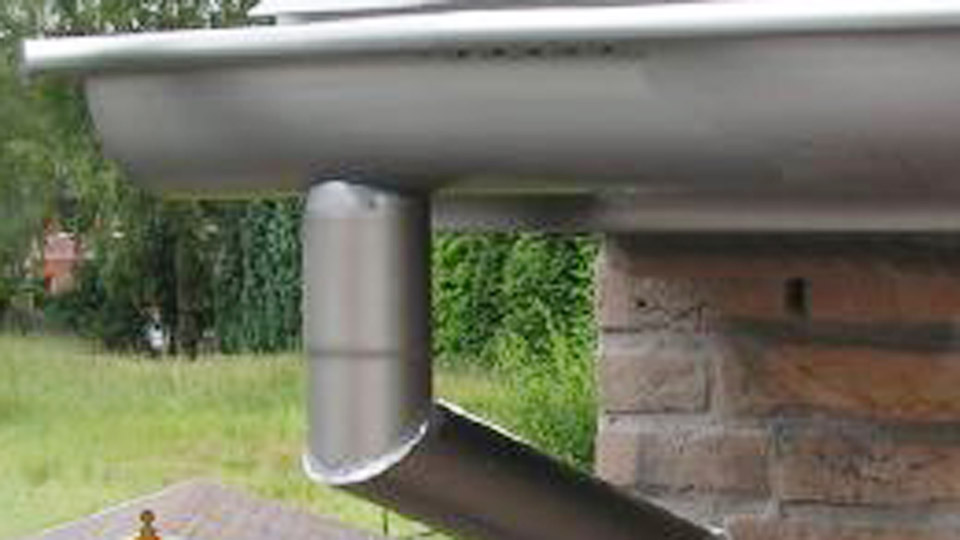
Image by nedzink
Why Soldering Beats Other Methods for Zinc Gutters
Zinc gutters expand and contract with temperature swings, so rigid mechanical fasteners alone often lead to gaps over time. Soldering fills those seams permanently while maintaining flexibility.
In my experience, a well-soldered zinc joint stands up to freeze-thaw cycles and driving rain far better than sealant-dependent connections. It’s common on high-end installs where appearance and performance matter. For galvanized steel variants (often confused with pure zinc), the process is similar but requires extra attention to the coating.
Key advantages:
- Creates a continuous, watertight seal
- Resists vibration and thermal movement
- Maintains the natural patina of zinc
- Cost-effective for repairs versus full replacement
Downsides include the learning curve for heat management and the need for specific tools. Rush it and you’ll burn through the zinc or leave cold joints.
Tools and Materials You’ll Actually Need on the Job
Don’t cheap out on the basics. A standard electronics iron won’t cut it—zinc sections have more mass than circuit boards.
Essential gear:
- Large soldering iron or copper bit (200-500 watts or propane-heated traditional copper iron)
- Proper solder: For pure zinc, a zinc-tin alloy (often 91/9); for repairs, 50/50 tin-lead or lead-free alternatives work in many cases
- Flux: Acid-based like zinc chloride or specific S-39 type for zinc; avoid rosin alone as it lacks bite
- Cleaning tools: Stainless steel brush, sandpaper (80-120 grit), emery cloth
- Safety: Gloves, goggles, good ventilation (flux fumes aren’t friendly)
Work on a stable surface, ideally with the gutter sections supported to avoid distortion. I prefer a propane torch with a diffuser tip for even heat on larger jobs, but many roofers swear by electric irons for precision.
Understanding Zinc as a Material for Gutters
Zinc is soft, malleable, and forms a protective patina over time. Its low melting point (around 787°F) means it solders easily but also risks melting if overheated. Pre-weathered zinc has a factory finish that needs careful handling to avoid damaging the appearance.
Pure zinc gutters differ from galvanized steel (zinc-coated). Pure zinc requires compatible filler to avoid brittleness. Always check material specs—mixing metals without proper technique invites galvanic corrosion later.
From a fabrication standpoint, zinc handles like thin sheet metal. Bevel or clean edges thoroughly. Any oxidation or oil prevents the solder from wetting the surface.
Step-by-Step: How to Solder Zinc Gutters Like a Pro
1. Preparation – This Is Where Most Joints Fail
Cleanliness is non-negotiable. Scrape away dirt, old sealant, and oxidation. Use a stainless brush followed by sandpaper on both overlapping surfaces. Wipe with a solvent if needed, then apply flux liberally to the joint area. Flux prevents re-oxidation and helps the solder flow.
Fit the sections with proper overlap—typically 1-2 inches depending on gutter size. Support them firmly; any movement during soldering creates voids.
2. Heat Control and Tinning
Heat the joint, not the solder directly at first. Bring the iron or torch to temperature and apply it to one end of the seam. The zinc should warm enough for solder to melt on contact without direct flame blasting the material.
Tin the surfaces first: Apply a thin layer of solder to each cleaned edge. This helps the final fill flow smoothly. For larger gutters, work in short sections to maintain control.
3. Running the Seam
Start at the bead or lower edge and draw the iron steadily along the joint while feeding solder. Maintain consistent pressure and speed. The solder should flow into the lap like butter on hot toast. Watch for a shiny, concave fillet—dull or balled-up indicates a cold joint.
Cool naturally. Quenching can stress the joint. Once cool, clean off flux residue thoroughly with water or a neutralizing solution to prevent long-term corrosion.
4. Inspection and Testing
Visually check for full penetration and smooth beads. A simple water test or pressure check reveals hidden leaks. On installs, I run a hose over the joint for several minutes while watching from below.
Common Mistakes Beginners and Experienced Hands Still Make
Overheating tops the list. Zinc melts before you realize it, leaving holes or weakened areas. Pros sometimes get lazy with cleaning, assuming flux will handle everything—it won’t.
Using the wrong flux causes poor adhesion or future rust on galvanized pieces. Acid flux is aggressive; leaving residue eats the metal over time. Another frequent error: insufficient overlap or poor support, leading to sagging seams.
Rushing the cool-down or applying too much solder creates bulky, ugly joints that collect debris. Practice on scrap first—every shop has a bin of cutoff gutter pieces for this.
Joint Preparation and Fit-Up Techniques
Proper fit-up makes soldering almost automatic. For butt joints or laps, file or shear edges straight. Remove any burrs that could create gaps. On curved sections or miters, use clamps or temporary fasteners to hold alignment.
For expansion joints in longer runs, incorporate slip joints or dedicated expansion elements that allow movement while maintaining the seal. Soldering fixed points too rigidly guarantees cracks later.
Solder and Flux Choices for Different Scenarios
- Pure zinc: Zinc-based solder minimizes galvanic issues.
- Galvanized repairs: 50/50 tin-lead provides a wide plastic range for filling. Lead-free is safer for potable water concerns but flows differently.
- Flux: Zinc chloride-based for tough oxides. Test small areas—some pre-weathered coatings react differently.
Always match filler to base metal as closely as possible for strength and color.
Safety Considerations Every Welder and Fabricator Should Know
Fumes from zinc and flux can irritate lungs and eyes. Work outdoors or with strong exhaust. Wear proper PPE—leather gloves, safety glasses, and a respirator if indoors. Hot solder splatter is no joke on a ladder.
Zinc oxide fumes from overheating cause metal fume fever (“zinc shakes”). Keep your iron temperature controlled and avoid breathing the smoke. Have fire watch ready; gutters are often near flammable roofing materials.
Comparing Soldering to Alternatives
| Method | Durability | Appearance | Skill Level | Cost | Best For |
|---|---|---|---|---|---|
| Soldering | Excellent | Seamless | Medium-High | Low | Permanent repairs |
| Caulk/Sealant | Good short-term | Visible | Low | Very Low | Temporary fixes |
| Rivets + Seal | Moderate | Mechanical | Low | Low | Quick assembly |
| Welding | High but risks coating damage | Needs cleanup | High | Higher | Structural, not gutters |
Soldering wins for most gutter applications because it preserves the protective layer without introducing excessive heat.
Advanced Tips from the Shop Floor
When working with pre-weathered zinc, minimize abrasion to preserve the finish. Use lower heat and more flux. For high-volume production, some fabricators use specialized soldering stations with temperature control.
On cold days, pre-warm the metal slightly. In heat, watch for rapid oxidation. Practice running beads on flat scrap to develop muscle memory for consistent speed and pressure.
For repairs on installed gutters, work from stable scaffolding. Soldering overhead demands extra caution with flux drips.
Troubleshooting Weak or Leaking Joints
- Cold joints: Reheat and reflow with fresh flux.
- Holes from burn-through: Patch with compatible zinc scrap and re-solder.
- Poor flow: More cleaning or fresher flux.
- Cracking after cooling: Improve support or add expansion provisions.
Clean and re-flux problem areas thoroughly before retrying.
When to Consider Professional Help or Alternatives
If you’re dealing with complex historic zinc work, high elevations, or extensive damage, a skilled sheet metal roofer brings specialized irons and experience that speed things up safely. For modern installs, some systems use solder-free EPDM connectors, but traditional soldered seams still look and perform best long-term.
Putting It All Together in Real Projects
I’ve used these techniques on everything from barn repairs in the Midwest to custom homes. The satisfaction of a leak-free run after a storm makes the effort worthwhile. Start small, practice the fundamentals, and scale up. Your first few joints might look rough, but persistence pays off in clean, professional results.
The key lessons? Clean metal, right flux, controlled heat, and patience. Master these and soldering zinc gutters becomes another reliable skill in your toolkit, just like running a perfect bead on mild steel.
Always carry a dedicated diffuser for your torch and a good stiff brush. Heat control and cleanliness separate the good joints from the callbacks. Get those right, and you’ll trust every seam you make.
FAQ
Can I use a regular propane torch to solder zinc gutters?
Yes, with a diffuser tip to spread the flame. Direct flame risks melting the zinc quickly. Many prefer a large soldering iron for better control, especially on smaller sections. Test your setup on scrap first.
What’s the best solder for zinc gutters?
For pure zinc, a high-zinc content solder like 91/9 zinc-tin. 50/50 tin-lead works well for many repairs and has good flow characteristics. Match to your base material and local codes.
How do I avoid burning through the zinc?
Use lower heat, keep the iron moving, and heat the joint broadly rather than concentrating in one spot. Proper flux helps the solder flow at lower temperatures. Practice is essential here.
Do I need special flux for zinc?
Yes—acid fluxes like zinc chloride or S-39 perform better than rosin. Clean residue afterward to prevent corrosion. Don’t skimp on this step.
Is soldering better than using gutter sealant?
For long-term durability, yes. Sealant degrades over time; a soldered joint becomes part of the metal system. Use sealant as a backup or for temporary fixes.


