Welding jobs have traditionally been deemed as male-dominated professions. As the world progresses, more women have been breaking into the welding industry. With an increasing number of women entering the field, there’s a growing interest in how much they are being paid.
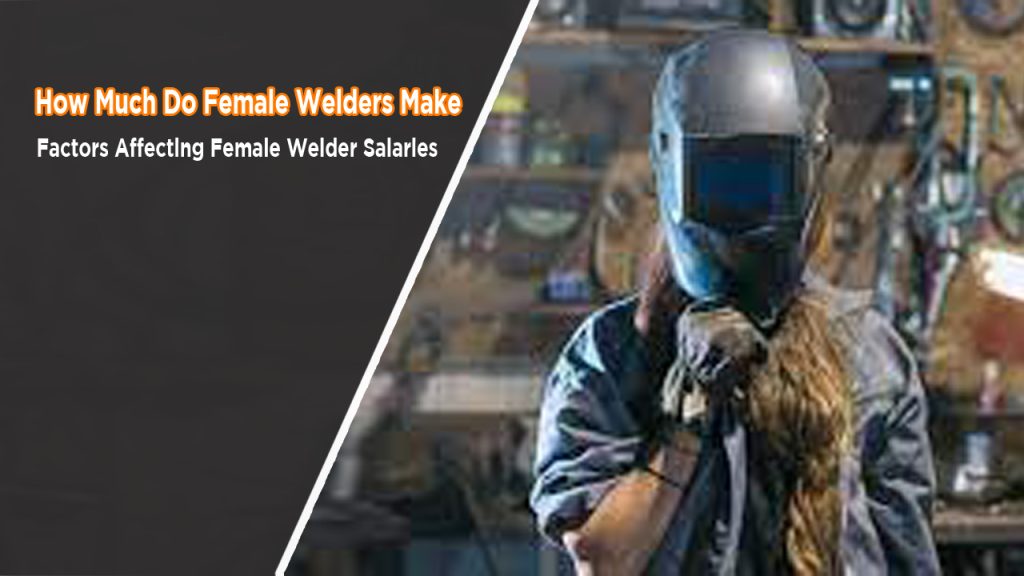
Image by texasceomagazine
We will examine the earning potential of female welders and the various factors affecting their wages. We will delve into the details of welding wages for women, analyze the average female welder salary, and highlight the compensation received by women in the welding profession.
Are you a female welder, looking to understand your earning potential in the industry? Or are you someone who’s simply interested in learning more about female welder salary and welding wages for women? You’ve come to the right place. Let’s dive into the details.
Wage Landscape in Welding
As with any profession, the pay scale for female welders can vary based on a variety of factors. The earning potential of female welders may be influenced by their location, level of experience, education, and industry demand. We will explore the overall pay scale for female welders and examine the factors that can impact their compensation.
| Industry | Median Annual Salary |
|---|---|
| Manufacturing | $41,380 |
| Construction | $38,570 |
| Ship and Boat Building | $46,100 |
According to the Bureau of Labor Statistics, the median annual salary for welders, cutters, brazers, and solderers was $43,410 in 2020. The earning potential of female welders can differ from this median due to factors such as gender-based wage discrimination. Despite this, there are opportunities for women in welding to earn a competitive salary and advance in their careers.
Focusing on career advancement and gaining additional certifications and specialized training can increase the earning potential for female welders.
As the demand for skilled welders continues to grow, pursuing a career in welding can provide women with a stable and rewarding profession.
Factors Affecting Female Welder Salaries
Female welders are impacted by several factors that affect their wages in the industry. The following are key variables that determine the compensation received by women in welding:
| Experience | Many companies value experienced welders more, and therefore offer them higher salaries. Experienced welders have a better understanding of the job requirements, can work more efficiently, and create higher quality output. |
|---|---|
| Certifications | Having specialized welding certifications can increase a female welder’s earning potential as she possesses a higher skill set and knowledge level than other welders. |
| Location | The location where a female welder works can have an impact on her salary. For example, welders operating in urban areas typically receive higher wages in comparison to those working in rural or remote areas. |
| Industry Demand | The demand for welders varies by industry. As some sectors experience a shortage in skilled workers, welders employed in those industries receive higher compensation. |
It’s important for female welders to understand these factors to negotiate for a higher salary within the industry.
Average Income of Women in the Welding Industry
As more women enter the welding industry, it’s essential to understand the salary range they can expect. According to recent data, the average income of women in the welding industry ranges from $32,000 to $70,000 per year, depending on the sector and location.
| Sector | Annual Salary Range |
|---|---|
| Manufacturing | $32,000 – $45,000 |
| Construction | $35,000 – $60,000 |
| Shipbuilding | $45,000 – $70,000 |
While these numbers may seem modest, it’s worth noting that the welding industry offers various opportunities for growth and career advancement, which can lead to increased earning potential. In addition, professional certifications and specialized training can significantly impact a female welder’s salary options.
Careers and Opportunities for Female Welders
The demand for skilled welders is constantly increasing, and the welding industry offers a wide range of career opportunities for women.
Female welders can choose from different types of welding, such as MIG, TIG, Stick, and Flux-Cored welding, and work in various industries, including construction, automotive, aerospace, and manufacturing.
Some possible career paths for female welders include:
- Welding Technician
- Welding Inspector
- Welding Engineer
- Welding Sales Representative
- Welding Instructor
Female welders can also pursue further education and training to specialize in certain areas of welding, such as pipe welding or underwater welding, which can lead to higher-paying positions.
| Job Title | Industry | Description |
|---|---|---|
| Welder | Construction | Join, repair, or fabricate metal structures or parts in building and construction projects. |
| Manufacturing Welder | Manufacturing | Produce metal products or parts in mass production facilities using welding techniques. |
| Aerospace Welder | Aerospace | Use welding to build aircraft structures, engine components, and other aerospace parts. |
| Automotive Welder | Automotive | Weld automotive parts, such as frames, bodies, and exhaust systems. |
It’s no secret that job opportunities for women in welding are expanding. Female welders can expect to earn a decent salary, with more experience leading to higher wages.
An experienced female welder, for example, can earn a median annual salary of $49,000, while entry-level positions start out with a median salary of $32,000 per year. Welding jobs are projected to grow at a rate of 3% over the next five years, creating even more job opportunities for female welders.
Therefore, if you’re a woman interested in welding, there are plenty of career prospects and job opportunities available in the industry that align with your skills and interests.
Advancement and Growth in the Welding Field
There are many opportunities for female welders to advance their careers and increase their earning potential. One of the best ways to achieve this is through additional training and specializations within the welding field.
By pursuing certifications and qualifications such as AWS Certified Welding Inspector or Certified Welding Educator, female welders can enhance their skills and knowledge, making them more valuable to employers. This can lead to higher pay and increased opportunities for career advancement.
Another way to grow in the welding field is by gaining experience in different sectors such as construction, manufacturing, and shipbuilding. This not only exposes welders to a variety of projects and challenges but also provides opportunities to expand their skillset and develop new expertise.
Moreover, female welders can take advantage of growth opportunities at their current workplace, by seeking out training programs, mentoring, and leadership roles.
| Advancement and Growth Opportunities for Female Welders | Description |
|---|---|
| Specializations and Certification | By pursuing additional certifications and specializations, female welders can increase their value to employers, leading to higher pay and career advancement. |
| Experience in Different Sectors | Welders can expand their expertise by gaining experience in different sectors, providing exposure to a variety of projects and challenges. |
| Training and Mentorship Programs | Employers may offer training programs and mentorship opportunities to female welders to encourage growth and development within the company. |
| Leadership Roles | Female welders can seek out leadership roles within their workplace to gain additional experience and visibility, leading to increased opportunities for advancement. |
The welding field offers numerous opportunities for growth and advancement for female workers. By investing in additional training and seeking out new experiences, female welders can enhance their skills, increase their value to employers, and achieve long-term career success.
Conclusion
As we explored in this article, female welders have a promising earning potential in the industry and can expect a competitive salary. Despite the persisting wage gap, women’s participation in welding continues to increase, and we hope to see more progress in the future.
Understanding the factors that influence compensation, such as experience, certifications, and location, can help women navigate the wage landscape and negotiate fair pay.
Exploring the variety of careers and growth opportunities available can help female welders achieve their career aspirations.
With the growing demand for skilled professionals in welding, women can confidently pursue a fulfilling career in the industry while earning a wage that reflects their contribution and expertise.