
If you’re diving into the world of welding, you might have come across the term “spray welding.” I’ve worked with this technique a few times and can tell you, it’s one of the most versatile methods for restoring or enhancing surfaces.
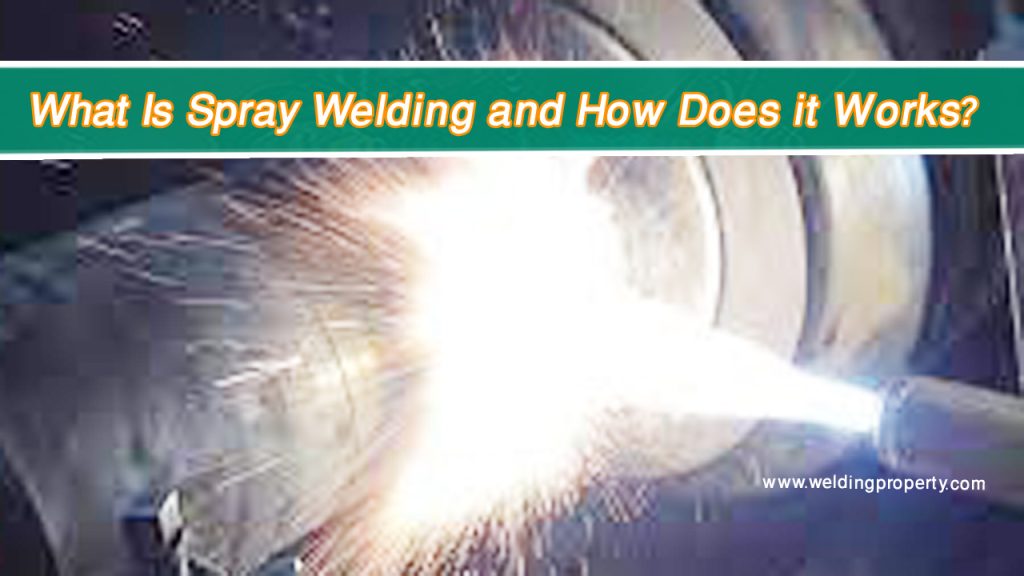
Image by americantorchtip
Spray welding, also known as thermal spray coating, involves spraying molten or semi-molten materials onto a surface to create a protective coating. This technique is often used for repairs, corrosion resistance, and enhancing the durability of machine parts.
Spray welding has transformed many industries, from automotive and aerospace to manufacturing and even restoration projects. If you’re curious about how this process works, what it’s best used for, and why it’s become so popular, let’s go through it step by step.
Basics of Spray Welding
In spray welding, the coating material is typically in powder or wire form, which is melted by a flame or electric arc and sprayed onto a substrate. When the molten material hits the target surface, it cools quickly, creating a strong, durable bond.
What makes this process stand out is that it can apply a thin or thick layer, depending on the requirements, without significantly affecting the original dimensions of the component.
Expert Insight: “Spray welding is a game-changer because it allows manufacturers to extend the life of components without replacing them. It’s a cost-effective solution for enhancing durability,” says John Smith, a welding engineer with over 20 years of experience in industrial applications.
How Does Spray Welding Work?
To perform spray welding, a welder uses specialized equipment that includes a spray gun, which heats the coating material and propels it onto the surface. There are a few common methods, including flame spray, arc spray, and plasma spray, each with specific characteristics and applications.
Flame Spray Welding
In flame spray welding, an oxy-acetylene flame heats the material, usually in powder form, until it reaches a semi-molten state. The melted particles are then blown onto the surface using compressed air.
Flame spray welding is great for repairs and moderate coatings but may not offer the same durability as other spray welding methods.
Arc Spray Welding
Arc spray welding uses an electric arc to melt wire material, which is then sprayed onto the surface using compressed air. This method can produce a strong, wear-resistant coating, making it popular in heavy-duty applications like pipeline and machinery repair.
Plasma Spray Welding
Plasma spray welding, the most advanced method, involves a high-temperature plasma arc to melt the coating material. This method can reach temperatures over 10,000°F, allowing it to bond with harder materials, such as ceramics or carbides. Plasma spray welding is ideal for high-performance coatings in industries like aerospace and power generation.
Benefits of Spray Welding
One of the reasons spray welding has become so popular is because of its wide range of benefits. Here’s a look at what makes it such an attractive option:
Cost Efficiency
Spray welding allows for component repair rather than replacement, which can save a significant amount of money. Imagine a large industrial roller that has worn out. Replacing it might cost tens of thousands of dollars, but spray welding can restore it for a fraction of the price.
Durability and Wear Resistance
The coatings applied with spray welding are tough and durable, often lasting longer than the original surface. Industries that deal with high-wear parts, like mining or manufacturing, rely heavily on spray welding to keep machinery running longer.
Corrosion Resistance
Many spray welding materials, such as stainless steel or aluminum alloys, offer corrosion resistance, making them ideal for components exposed to harsh environments.
Minimal Heat Distortion
Unlike traditional welding methods that can deform the component due to heat, spray welding generates less heat, which means less risk of warping.
Quote from Industry Expert: “The ability to enhance both durability and corrosion resistance in a single step is what makes spray welding indispensable in so many fields,” notes welding technician Sarah Bryant.
Applications of Spray Welding
Spray welding is versatile and can be applied in multiple fields. Here are a few examples of where it shines:
Automotive Repair: Spray welding is often used to repair engine parts, crankshafts, and exhaust systems. Its ability to apply hard coatings ensures components can withstand high temperatures and friction.
Aerospace Industry: Aircraft parts, including turbine blades and landing gear, benefit from spray welding for added wear resistance and corrosion protection.
Manufacturing Equipment: Spray welding is used to repair or coat machine parts that face high wear, like rollers, spindles, and gears.
Oil and Gas: In this industry, where corrosion is a major challenge, spray welding is invaluable for coating pipelines and valves with corrosion-resistant materials.
Comparison of Different Types of Spray Welding Techniques
To make it easier to understand the differences between each spray welding method, here’s a quick comparison:
| Method | Temperature Range | Materials Used | Best For | Durability |
|---|---|---|---|---|
| Flame Spray | ~5,000°F | Powdered Metals | Moderate coatings, repairs | Moderate |
| Arc Spray | ~6,000°F | Wire Metals | Heavy-duty applications | High |
| Plasma Spray | 10,000°F+ | Ceramics, Metals | High-performance coatings | Very High |
Each method has unique strengths, so the choice depends on factors like material, durability requirements, and the specific application.
Steps in the Spray Welding Process
If you’re curious about what goes into spray welding, here’s a simplified look at the process:
Surface Preparation: The first step is always surface preparation. The target surface must be cleaned thoroughly to ensure the coating adheres well. Some surfaces might even require slight roughening to improve adhesion.
Material Preparation: The welding technician selects the coating material based on the desired properties. This could be a powder or wire form of metals, ceramics, or carbides.
Heating and Spraying: The coating material is heated in the spray gun until it reaches the desired state (molten or semi-molten) and then sprayed onto the surface.
Post-Spray Finishing: Some applications may require finishing touches, such as polishing or grinding, to achieve the desired thickness and texture.
Key Considerations When Choosing Spray Welding
Selecting spray welding for your project depends on a few critical factors:
Material Compatibility: Not all metals or surfaces are ideal for spray welding. It’s essential to confirm that the base material is compatible with the chosen coating.
Coating Thickness: Each spray welding method allows for different coating thicknesses. Plasma spray, for example, can create very thin yet strong coatings, which may be necessary for certain high-precision parts.
Environment and Usage: For parts exposed to extreme temperatures or corrosive environments, a high-temperature, corrosion-resistant material is recommended.
FAQs About Spray Welding
What is the main advantage of spray welding?
Spray welding provides a cost-effective way to repair and protect parts without replacing them. It’s widely appreciated for enhancing durability and resistance.
Can spray welding be used on any type of metal?
Spray welding is versatile, but not all metals are compatible. It’s generally suitable for metals like steel, aluminum, and certain alloys, depending on the method.
Is spray welding the same as thermal spraying?
Yes, spray welding is a type of thermal spraying, but the terms are sometimes used interchangeably depending on the industry and application.
How thick can spray welding coatings be?
Coating thickness can vary based on the technique and materials, but it typically ranges from 0.001 to 0.25 inches.
Conclusion
Spray welding is an incredibly versatile and efficient method for protecting, restoring, and enhancing a wide range of components. Its ability to create strong, durable coatings with minimal distortion makes it a favorite in industries like automotive, aerospace, and manufacturing.
If you need corrosion resistance, wear protection, or just want to extend the life of a valuable part, spray welding is a reliable solution.
I hope this article gave you a clearer picture of what spray welding is and how it works. If you’re ever considering spray welding for a project, remember to weigh factors like base material compatibility, coating requirements, and environmental exposure.
This process, when done correctly, can add years to the life of machinery and equipment, helping you save on costly replacements and downtime.


