
Rod glowing at the tip, puddle forming, and your free hand instinctively wanting to steady the electrode—that’s a moment every new stick welder faces.
I’ve seen beginners try to hold the welding rod too close for control, only to feel the heat build fast or struggle once the flux starts burning back. It’s one of those small technique questions that actually affects safety and weld quality more than you’d think.
When people ask if you can hold a welding rod while welding, the real issue isn’t just can you—it’s where and how you should handle it without risking burns, contamination, or poor arc control.
I learned early on that proper grip, rod angle, and hand support make a huge difference in keeping the arc steady and the bead consistent.
If you want cleaner stick welds and safer hand positioning, let me show you the right way to control the rod so you stay comfortable and in control from strike to finish.
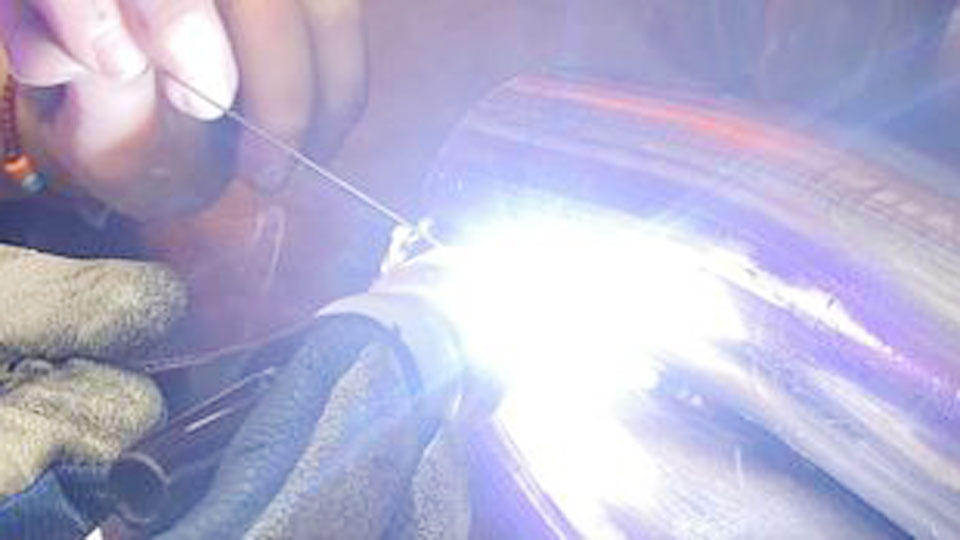
Photos by burnsstainless
Why This Question Keeps Coming Up in Real Shops
Stick welding (SMAW) looks straightforward until you pick up the stinger. The electrode holder is bulky, the arc is unpredictable, and that rod starts whipping around like it’s got a mind of its own. Beginners see pros casually gripping the bare rod and think, “If they can do it, so can I.”
But here’s the reality: Holding the rod isn’t about looking cool. It’s about physics and control. A 1/16-inch E6013 rod at 50 amps vibrates like crazy in the holder. Your off-hand steadies it, keeps the arc length consistent, and prevents that telltale “stick-and-pop” that ruins your start.
I remember my first year out of welding school in a small fab shop outside Chicago. The foreman caught me trying to freehand a root pass on 1/4-inch plate with a fresh 5/32-inch rod. “Kid, you’re fighting the rod—grab it like you mean it.” That one tip cut my rework in half.
The stakes are real. Bad control means cold laps, lack of fusion, or slag inclusions that show up in dye penetrant tests. And yeah, it ties straight back to safety: A shaky arc increases spatter, which means more chance of burns or eye flash.
The Fundamentals: What a Welding Rod Actually Is and How It Behaves
Before we dive into holding techniques, let’s get clear on the tool itself. In shielded metal arc welding—the process most folks mean when they say “welding rod”—the electrode is a consumable stick. It’s a steel core wire coated in flux that melts as you weld, creating the arc, filler metal, and shielding gas.
Common types in US shops:
- E6010: Deep penetration, great for root passes on pipe. Runs hot and fast.
- E6013: Easy arc, forgiving for thin stuff and verticals. My go-to for hobbyists.
- E7018: Low-hydrogen, for structural steel. Needs dry storage or you’ll get porosity.
Rod diameter matters more than most realize. A 1/8-inch (3.2mm) is the sweet spot for general fab—handles 90-150 amps on a typical Miller or Lincoln 225-amp machine.
Go smaller, like 3/32-inch (2.4mm), and the rod burns off quicker, demanding steadier hands. Larger, 5/32-inch (4mm), and it has more mass, so less vibration but higher heat.
The flux coating is key. It stabilizes the arc, but as the rod shortens, that bare end gets hotter faster. That’s why holding it feels like gripping a live coal after 30 seconds.
Is It Safe to Hold the Welding Rod While Welding?
This is the million-dollar question, and the answer is a qualified yes—with the right gear and habits.
Electrical Risks: The Real Story on Shocks
Stick welders run open-circuit voltage around 60-80 volts, dropping to 20-30 under load. That’s enough to tingle, but not kill you in dry conditions. The danger comes from completing the circuit: electrode in one hand, workpiece in the other, with ground clamped wrong.
From what I’ve seen over decades, shocks happen more during rod changes than mid-weld. If your gloves are dry leather (Lincoln or Tillman 14-inchers are shop standards), and the rod isn’t touching the work, you’re fine. Wet gloves? Game over—I’ve felt that zap through soggy palms on a rainy jobsite.
Pro tip: Always check your ground clamp. A loose one turns you into the path of least resistance.
Thermal Hazards: Burns Are the Bigger Enemy
Heat is the silent killer here. A 1/8-inch rod at 120 amps hits 3,000°F at the tip, and that heat travels back fast. I’ve had guys grab too close and melt through their glove palms in under a minute.
The fix? Hold 4-6 inches from the arc end. Use your index finger to guide, thumb and middle for grip. Thick, unlined leather gloves are non-negotiable—Kevlar-lined if you’re doing high-amperage runs.
I’ve burned my thumb twice in 25 years. Both times, it was because I got cocky with a short stub and skipped the glove check. Lesson learned: Always inspect for holes before striking.
When Holding the Rod Makes Sense (And When It Doesn’t)
Not every weld calls for the two-handed approach. Here’s the shop-tested breakdown.
For Small-Diameter Rods and Precision Starts
Thin rods like 1/16-inch E6013 or E7014 are finicky. They flex in the holder, especially on low amps (40-70 range). Holding the rod with your off-hand damps the vibration, letting you strike a perfect arc on the first try.
I do this constantly on sheet metal repairs—think patching a rusted truck bed. Without the steady, the rod dances, and you get undercut edges.
In Awkward Positions or Tight Quarters
Vertical-up on a ladder? Overhead in a tight engine bay? The rod wants to sag. Gripping it keeps your puddle where it belongs.
On a recent pipeline repair in Texas, we were welding 6-inch schedule 40 pipe in the ditch. Holding the rod let me weave a perfect cap pass without repositioning every 10 seconds.
Skip It For Heavy Beads and Production Runs
Big rods on flat plate? No need. The holder does the work, and your free hand is better for bracing on the table. Plus, larger diameters run hotter—holding risks faster fatigue.
| Rod Size | Typical Amps (Mild Steel) | Hold the Rod? | Why |
|---|---|---|---|
| 1/16″ (1.6mm) | 20-60 | Yes | High vibration, quick burn-off |
| 3/32″ (2.4mm) | 40-90 | Yes, for starts | Needs guidance on thin material |
| 1/8″ (3.2mm) | 75-125 | Optional | Balanced control |
| 5/32″ (4.0mm) | 110-160 | Rarely | Too hot, heavy for steadying |
| 3/16″ (4.8mm) | 140-200 | Never | Use holder only for production |
This table comes straight from my machine’s dial settings on a Lincoln Idealarc 250. Adjust ±10% for your setup and material.
How to Hold the Welding Rod: A Step-by-Step Shop Guide
Alright, let’s get practical. This is how I teach every trainee.
- Gear Up First: Dry gloves, full leathers, helmet down. Ground clamped tight to clean metal.
- Insert the Rod: Bare end in the holder jaws, flux side out. For holding, leave 1-2 inches exposed at the top.
- Grip Technique:
- Off-hand: Index finger along the rod, pointing toward the arc. Thumb and ring finger pinch lightly.
- Like holding a pencil, but with the meat of your palm resting on the workpiece for stability.
- Distance: 4-6 inches from the live end.
- Strike and Run:
- Tap or scratch start with the holder hand.
- Once arcing, slide your off-hand forward to guide.
- Maintain 1/8-inch arc length—watch the puddle, not the rod.
- Mid-Weld Adjustments: As the rod burns down, ease your grip back. If it gets too hot, release and let it cool 10 seconds.
I demo this to guys all the time: “Feel that? It’s like steering a truck—light touch, constant feedback.”
For verticals, angle your body so your off-hand is downhill. Gravity helps the puddle flow.
Picking the Right Rod and Settings for Your Job
Rod choice dictates if holding even makes sense. Here’s what I grab from the bin.
For mild steel repairs (most DIY jobs):
- E6010: 70-120 amps. Hold for root passes on thicker plate.
- E7018: 90-150 amps. Dry it first—moisture kills it.
Aluminum? Skip stick; go TIG. Stainless? E308L rods, but hold sparingly due to higher heat.
Machine settings on US gear like the ESAB Rebel or Miller Multimatic:
- Start 10-15% below recommended for easier starts.
- For 1/8-inch on 1/4-inch plate: 110 amps DCEN.
- Travel speed: 4-6 inches per minute.
Wrong amps? Too low, and the rod sticks. Too high, and it melts through your glove faster.
Joint Prep and Material Tricks That Change Everything
Holding the rod shines when your prep is dialed.
- Cleanliness: Grind to bright metal. Flux loves contaminants.
- Fit-Up: 1/16-inch gap max for butt joints. Clamp everything.
- Tacking: Hold during tacks to keep alignment.
On a recent gate repair, the hinges were warped. I held the rod to feather the edges, blending the old weld seamlessly.
Common Mistakes That Burn Out Rookies (And Pros)
- Death Grip: Squeezing too hard fatigues your hand and pulls the arc off-center.
- Bare Hands: I’ve seen it—stupid and painful.
- Ignoring Heat Soak: Short rods get nuclear. Swap at 3 inches left.
- Wrong Angle: Drag at 10-15 degrees for flats; push vertical-up.
Fix a stuck rod? Twist the holder side-to-side while pulling back. Don’t yank.
Alternatives to Holding: When the Holder Is King
Not sold on the two-hand method? Try these:
- Rest Your Hand: Brace your glove on the plate, stinger in the other.
- Magnetic Clamps: For pipe, they steady the work.
- Two-Handed Holder: Some pros grip the stinger with both hands for max control.
On my old Hobart, I rigged a foot pedal for TIG-like feel, but that’s overkill for most.
Safety Gear That Actually Matters in the Shop
Beyond gloves:
- Helmet: Auto-darkening, shade 9-13.
- Boots: Leather, steel toe.
- Apron: For overhead splatter.
- Ventilation: Fumes from flux are no joke—OSHA levels for manganese.
In humid Florida shops, I keep silica gel packs in my rod tube to fight moisture.
Wrapping It Up: Control Is Everything in Welding
After all these years, holding the rod isn’t a trick—it’s a tool in your kit. It bridges the gap between beginner frustration and pro-level beads. Master it, and you’ll weld cleaner, faster, and with fewer headaches.
The next time you’re in the shop, grab a scrap plate and practice. Start with 3/32-inch at low amps. Feel the rhythm. Your welds will thank you—and so will your hands. Always keep a spare pair of gloves in your toolbox. The day you forget is the day you need them most.
FAQ: Real Questions from Real Welders
Can You Get Electrocuted Holding the Welding Rod?
Rarely, if your setup is solid. The voltage is low, and gloves insulate you. The real risk is if you’re grounded poorly or welding in water. I’ve been zapped a handful of times—feels like a strong static shock—but never from holding mid-arc.
What’s the Best Way to Hold Small Rods Like 1/16-Inch?
Index finger down the length, thumb pinch at the back. Rest your palm on the work for extra stability. Practice on a flat table first to build muscle memory. It prevents the rod from whipping and gives pinpoint control.
Should I Hold the Rod for Vertical or Overhead Welding?
Absolutely for vertical-up—keeps the puddle from sagging. For overhead, it’s trickier; use the holder mostly and just steady with your finger. Wear extra-thick gloves; heat rises fast.
How Do I Know If My Gloves Are Safe for Holding Rods?
If you can feel heat through them after 20 seconds, toss ’em. Look for 14-inch cowhide with reinforced palms. Brands like Black Stallion or Revco hold up best in my experience.
Does Holding the Rod Affect Weld Quality?
It improves it when done right—better arc stability means deeper penetration and less porosity. But overdo it on a hot rod, and you risk contamination from your glove oils. Keep hands clean.


