
If you’re wondering how to protect galvanized metal from rust, you’ve come to the right place. I’ve spent years working with galvanized steel on projects like fences, sheds, and even car parts, and I’ve learned a thing or two about keeping it rust-free. Galvanized metal is tough, but that zinc coating doesn’t make it invincible.
I once had a galvanized gate start rusting because I didn’t take care of it properly, and I vowed never to let that happen again!
I’m going to share everything I’ve learned about protecting galvanized metal, from cleaning to coatings and maintenance. It’s all straightforward, and I’ll explain it like we’re chatting over coffee. Let’s dive in and keep your metal shining!
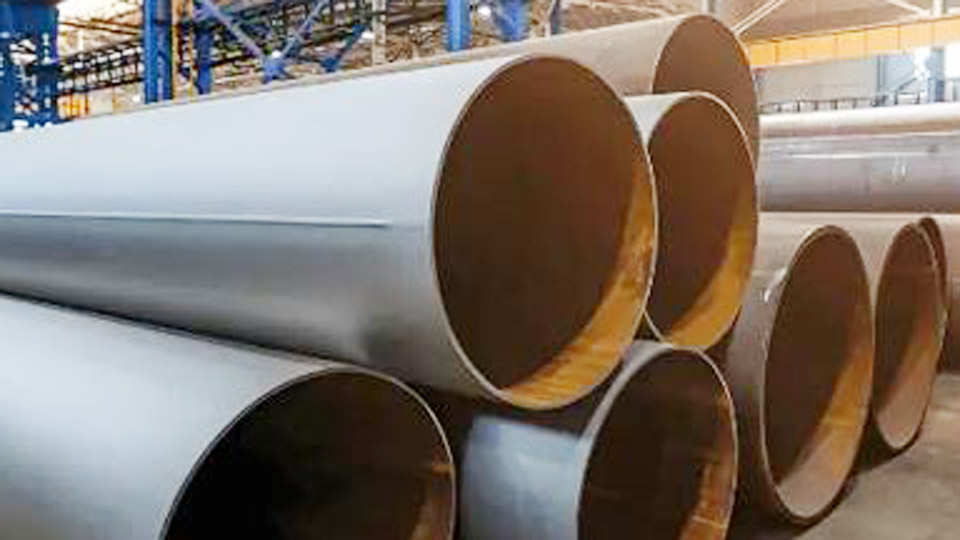
Photo by steelprogroup
What Is Galvanized Metal?
It’s steel or iron coated with a layer of zinc to protect it from rust. The zinc acts like a shield, taking the hit from moisture and oxygen so the steel underneath stays safe. I’ve used galvanized metal for all sorts of things—gutters, pipes, even outdoor furniture—because it’s durable and resists corrosion better than plain steel.
Galvanized metal can still rust if the zinc coating gets damaged or wears off. I learned this when I noticed white rust—powdery spots—on a galvanized pipe I left exposed to rain. The zinc corrodes first, but once it’s gone, the steel is vulnerable. Protecting that zinc layer is the key to keeping your metal rust-free.
Why Does Galvanized Metal Rust?
You might be thinking, “If galvanized metal is coated with zinc, why would it rust?” Great question! The zinc coating is tough, but it’s not perfect. Things like scratches, harsh weather, or exposure to chemicals can wear it down. I once had a galvanized fence post start rusting after a few years because it was constantly splashed with salty road water in winter.
There are two types of rust to watch for:
White Rust: This is corrosion of the zinc coating itself. It looks like white, chalky spots and happens when the metal stays wet for too long.
Red Rust: This is the bad stuff—corrosion of the steel underneath once the zinc is gone. It’s red and flaky, and it means your metal is in trouble.
Understanding why rust happens helps you prevent it. It’s all about keeping that zinc layer intact and shielding it from moisture, salt, and damage.
Cleaning Galvanized Metal Properly
The first step to protecting galvanized metal is keeping it clean. Dirt, grime, and salt can eat away at the zinc coating over time. I learned this the hard way when I left a galvanized bucket outside all winter—it ended up with white rust because I didn’t clean it. Here’s how I clean galvanized metal now:
Use Mild Soap and Water
Mix a few drops of dish soap with warm water. I dip a soft cloth or sponge in the solution and gently scrub the metal. Avoid harsh detergents—they can damage the zinc.
Rinse Thoroughly
Use a hose or bucket of clean water to rinse off all the soap. I make sure no residue is left behind, as it can trap moisture.
Dry Completely
Wipe the metal with a clean, dry cloth or let it air dry. I’ve found that leaving it wet leads to white rust, especially in humid areas.
Remove Stubborn Stains
For tough spots, like grease or tree sap, I use a mild vinegar solution (1 part vinegar to 3 parts water). Apply it with a cloth, scrub gently, and rinse well.
Cleaning doesn’t just make your metal look good—it removes stuff that can corrode the zinc. I try to clean my galvanized projects, like my shed roof, at least twice a year.
Applying Protective Coatings
One of the best ways to protect galvanized metal is to add a protective coating. I’ve tried a few options, and they really extend the life of the zinc layer. Here’s what works:
Clear Sealants
A clear polyurethane or acrylic sealant adds an extra barrier against moisture. I used a spray-on sealant for a galvanized fence, and it’s still rust-free after three years. Apply it in thin, even coats and let it dry completely.
Paint
Painting galvanized metal not only protects it but also makes it look great. I’ve painted galvanized pipes with rust-resistant paint, and it holds up well. Before painting, clean the metal and apply a primer made for galvanized surfaces—regular primer won’t stick.
Wax or Oil
For smaller items, like tools or hardware, I sometimes use a thin layer of car wax or mineral oil. It repels water and adds a protective sheen. Just reapply every few months.
Before applying any coating, make sure the metal is clean and dry. I made the mistake of painting over a dirty surface once, and the paint peeled off within a year. Also, avoid coatings with high acidity—they can react with the zinc and cause damage.
Here’s a quick table to compare coating options:
| Coating Type | Pros | Cons |
|---|---|---|
| Clear Sealant | Easy to apply, invisible, long-lasting | May need reapplication every 2-3 years |
| Paint | Adds color, very durable | Requires primer, more prep work |
| Wax/Oil | Simple, good for small items | Needs frequent reapplication |
Coatings are like armor for your galvanized metal. Pick the one that fits your project and budget.
Preventing White Rust
White rust is a common problem with galvanized metal, especially when it’s new. I noticed it on some galvanized bolts I stored in a damp garage—they got that chalky white coating fast. White rust happens when the zinc gets wet for too long, especially in areas with poor air circulation. Here’s how I prevent it:
Keep It Dry
Store galvanized metal in a dry place. If it’s outside, cover it with a tarp or move it under a roof. I learned to elevate my metal off the ground to avoid puddles.
Ensure Good Ventilation
Don’t stack galvanized items tightly together. I once stored pipes too close, and moisture got trapped, causing white rust. Leave space for air to flow.
Apply a Passivation Solution
Some manufacturers treat galvanized metal with a chromate passivation solution to prevent white rust. I’ve used a DIY version—diluted vinegar or a commercial zinc protectant—and it works well for new metal.
If you spot white rust, don’t panic. Scrub it gently with a wire brush and vinegar, then apply a sealant. I saved a set of galvanized brackets this way, and they’re still good as new.
Avoiding Damage to the Zinc Coating
The zinc coating is your metal’s first line of defense, so you want to keep it intact. I’ve made mistakes that scratched or wore down the zinc, and rust followed. Here’s how to avoid that:
Handle with Care
Don’t drag or drop galvanized metal. I scratched a galvanized sheet once by sliding it across concrete, and rust started where the zinc was gone.
Use the Right Tools
When cutting or drilling galvanized metal, use tools designed for metal, like a metal-cutting blade. I’ve found that dull tools cause more damage to the coating.
Avoid Contact with Other Metals
When galvanized metal touches metals like copper or brass, it can cause galvanic corrosion. I learned this when I used copper bolts on a galvanized frame—corrosion started within months. Use stainless steel or galvanized fasteners instead.
Limit Exposure to Chemicals
Acidic substances, like some cleaners or fertilizers, can eat away at the zinc. I always rinse off any chemicals that spill on my galvanized projects.
Protecting the zinc coating is like keeping a shield polished—it’s your best defense against rust.
Protecting Galvanized Metal in Harsh Environments
Galvanized metal is tough, but harsh environments like coastal areas or snowy regions can test it. I live near the coast, and the salty air is brutal on metal. Here’s how I protect galvanized metal in tough conditions:
Coastal Areas
Salt air speeds up corrosion. I rinse my galvanized fence with fresh water every few months to remove salt buildup. A thick sealant or paint helps, too.
Snowy Regions
Road salt and snow can damage galvanized metal. I had a galvanized mailbox start rusting because of winter salt spray. Now, I clean it regularly and apply wax to keep it protected.
High Humidity
In humid areas, white rust is a bigger risk. I store my galvanized tools in a dehumidified shed and check them often for moisture.
Industrial Areas
Pollution and chemicals can wear down the zinc. If you’re in an industrial area, like near a factory, clean your metal often and use a heavy-duty sealant.
I’ve found that regular maintenance is key in these environments. A little effort goes a long way to keeping rust at bay.
Regular Maintenance Tips
Keeping galvanized metal rust-free isn’t a one-and-done job. I’ve learned that regular maintenance is crucial. Here’s what I do to keep my projects in top shape:
Inspect Regularly
Check your metal every few months for signs of white rust or scratches. I caught a rusty spot on my shed early and fixed it before it spread.
Clean Annually
Wash your galvanized metal at least once or twice a year. I set a reminder to clean my gutters every spring and fall.
Reapply Coatings
Sealants and paints wear off over time. I reapply clear sealant to my fence every two years to keep it protected.
Fix Damage Quickly
If you see a scratch or dent, cover it with a zinc-rich paint or cold galvanizing compound. I used this on a scratched gate, and it stopped rust in its tracks.
Store Properly
If you’re not using your galvanized items, store them in a dry, ventilated place. I keep my extra galvanized pipes in a shed with silica gel packets to absorb moisture.
Maintenance takes a bit of time, but it saves you from costly repairs or replacements later.
Common Mistakes to Avoid
I’ve made plenty of mistakes with galvanized metal, and I want you to avoid them. Here are some common pitfalls:
Leaving It Wet: Wet metal leads to white rust. I once left a galvanized bucket in the rain, and it was covered in white spots within days.
Using Harsh Cleaners: Bleach or acidic cleaners can damage the zinc. I ruined a galvanized tray by using the wrong cleaner—stick to mild soap.
Skipping Primer: If you’re painting, always use a primer made for galvanized metal. I skipped this once, and the paint flaked off in months.
Ignoring Scratches: Small scratches can lead to big rust problems. I learned to cover them immediately with zinc-rich paint.
Poor Storage: Stacking wet or tightly packed galvanized items traps moisture. I had to throw out rusty bolts because I stored them poorly.
Avoid these mistakes, and your galvanized metal will stay rust-free for years.
When to Replace Galvanized Metal
Sometimes, despite your best efforts, galvanized metal gets too rusty to save. I had to replace a section of galvanized pipe in my yard because the rust had eaten through the steel. Here’s when to consider replacing it:
Widespread Red Rust: If you see red rust over large areas, the zinc is gone, and the steel is corroding. It’s time to replace it.
Structural Damage: If rust has weakened the metal, like on a fence post that bends easily, it’s not safe to keep using.
Pitting or Holes: Small pits or holes mean the corrosion is deep. I replaced a rusty gutter when I noticed holes forming.
Frequent Repairs: If you’re constantly patching rust, it might be more cost-effective to replace the item.
Replacing metal is a last resort, but it’s better than dealing with leaks or collapses. I always weigh the cost of repairs versus replacement to decide what’s best.
Conclusion
From cleaning and coatings to avoiding common mistakes, I hope you feel ready to keep your metal projects in top shape. I’ve had my share of battles with rust—white spots on buckets, red flakes on pipes—but every lesson taught me how to protect my galvanized metal better. There’s something satisfying about seeing a shiny, rust-free surface that you’ve worked hard to maintain.
If you’re fixing up a fence, building a shed, or just keeping your tools in good condition, these tips will help you extend the life of your galvanized metal. It’s not about fancy tricks—just simple, consistent care.
FAQs About Protecting Galvanized Metal from Rust
What causes galvanized metal to rust?
Rust happens when the zinc coating wears off or gets damaged, exposing the steel to moisture and oxygen. White rust affects the zinc, while red rust hits the steel.
Can I paint galvanized metal to prevent rust?
Yes, painting works great. Clean the metal, use a primer made for galvanized surfaces, and apply rust-resistant paint for extra protection.
How do I remove white rust from galvanized metal?
Scrub it gently with a wire brush and a vinegar-water solution (1:3 ratio). Rinse well, dry completely, and apply a sealant to prevent more rust.
Does galvanized metal rust faster in coastal areas?
Yes, salty air speeds up corrosion. Rinse your metal regularly with fresh water and use a sealant or paint to protect it.
How often should I clean galvanized metal?
Clean it at least once or twice a year to remove dirt, salt, or grime. In harsh environments, like coastal areas, clean it more often.
Can I prevent rust without coatings?
It’s tough but possible. Keep the metal dry, store it properly, and avoid scratches or chemical exposure to protect the zinc coating.


