
Let me tell you something from experience—galvanized metal buckets are super handy. You can use them for so many things—planters, storage bins, rustic wedding decorations, or even home DIY projects. Painting them isn’t as straightforward as grabbing a paintbrush and going wild.
I’ve tried that before, and it didn’t go too well. The paint peeled off in just a few days. That’s when I dug deeper into the proper way to paint galvanized metal. And let me say, once you know the right steps, it’s easy, satisfying, and super fun.
If you’re wondering how to paint a galvanized metal bucket and want it to last, I’m going to walk you through every single step. No skipping corners.
This is the full process I’ve personally used, and I’ll explain everything using simple language so anyone—whether you’re a beginner or a seasoned DIYer—can do it without frustration.
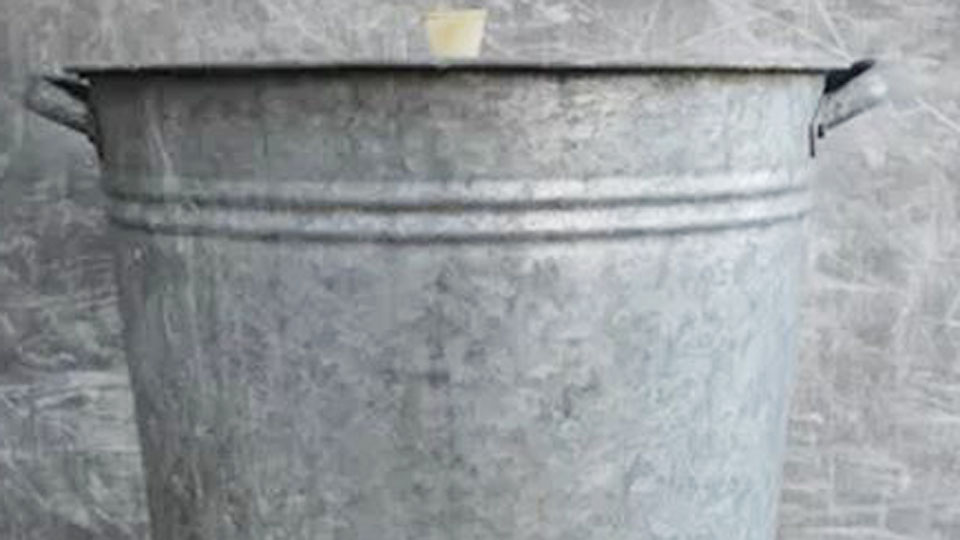
Photo by etsy
Why Galvanized Metal Buckets Need Special Care Before Painting
Before we dive into how, let’s talk about why this matters. Galvanized metal is coated with a layer of zinc. That zinc protects the bucket from rusting, which is great. Paint doesn’t stick well to that zinc layer. That’s why if you skip prepping, the paint will bubble, chip, or peel right off.
Materials You’ll Need
To paint a galvanized metal bucket properly, you’ll need a few supplies. Here’s a table to help keep things simple:
| Item | Purpose |
|---|---|
| Galvanized metal bucket | The surface you’re painting |
| Dish soap & warm water | To clean off dirt and grease |
| White vinegar | To etch the metal surface |
| Sandpaper (fine grit: 220) | To scuff and help primer stick |
| Clean rags or paper towels | For drying and wiping |
| Primer for galvanized metal | Helps the paint stick long-term |
| Paint (acrylic, latex, or enamel) | Choose based on your final use |
| Clear sealant or topcoat | Adds protection and durability |
| Gloves & mask (optional) | For safety during sanding or painting |
| Paintbrush or spray paint | Depends on the finish you want |
These are the basic tools I use every time I tackle this kind of project.
Step One: Clean the Bucket Thoroughly
You might not see it, but galvanized metal comes with an invisible coating of oils, dirt, and factory residue. First, you’ll want to wash the bucket using warm water and dish soap. I usually scrub with a sponge or rag and then rinse thoroughly.
Let it dry completely. This may take about 30 minutes depending on the weather.
Skipping this step can cause your paint to lift off like a sticker—so don’t rush it.
Step Two: Etch the Metal with Vinegar
The secret weapon is—white vinegar. Vinegar acts like a gentle acid that helps break down the zinc’s slick surface. This step is crucial.
I soak a rag in vinegar and wipe the entire surface of the bucket. You don’t have to drench it—just make sure it’s well-covered. Then let the bucket sit and air dry for about 30 minutes to an hour. You’ll notice the metal will look a little dull afterward—that’s exactly what we want.
Step Three: Scuff the Surface with Sandpaper
This is the part where you’ll get your hands a little dusty, but it’s worth it.
Take your fine-grit sandpaper (I usually use 220) and gently scuff the entire surface. You don’t need to grind it down—just enough to make the surface feel slightly rough.
That texture helps the primer grip better. After sanding, wipe off any dust with a clean cloth. Wear a mask if you’re sensitive to dust, especially when sanding indoors.
Step Four: Apply a Primer Made for Galvanized Metal
Here’s where many people mess up—they skip primer or use the wrong one.
Make sure you use a primer specifically labeled for galvanized metal. These are made to stick to zinc and help your paint bond well. I usually go for a spray-on primer because it’s even and smooth, but a brush-on works fine too.
Apply one thin coat. Let it dry completely—usually an hour or more depending on the product instructions. Don’t rush into painting before it’s dry. Once dry, your bucket is ready for the fun part.
Step Five: Paint Your Bucket
Now you can finally paint the bucket with your chosen color. You can use acrylic paint, latex paint, or even enamel depending on the look and durability you want. For outdoor use, enamel is my go-to.
Use a paintbrush for detailed work, or spray paint for an even coat. Just like the primer, apply thin layers. Let each layer dry before applying the next. I usually do two to three coats.
The paint will go on beautifully over the primer and look smooth and professional.
Step Six: Seal the Paint (Optional but Recommended)
If you’re using the bucket outside or expect it to get banged around a bit, I highly recommend a clear sealant or topcoat. It adds a protective layer and helps your paint job last much longer.
There are matte, satin, and glossy finishes depending on your style. I often use a matte sealant for a rustic look or glossy if I want it to shine.
Spray it on in light, even coats. Let it dry completely before touching or moving the bucket.
Step Seven: Let It Cure
One last step that’s easy to forget—curing time.
Even after the paint and sealant feel dry to the touch, they’re still soft underneath. I usually leave my freshly painted bucket alone for 24 to 48 hours. That helps the layers harden and makes the finish much more durable.
Resist the urge to use it right away. Trust me, the patience pays off.
Optional Design Tips and Ideas
Once you’ve got the basics down, you can get creative.
You could:
- Stencil on patterns or words (great for labeling)
- Add decorative rope handles or trim
- Use chalkboard paint for erasable messages
- Create a weathered look with dry brushing
Painting galvanized metal buckets isn’t just functional—it’s a chance to add personality to your space.
Common Mistakes to Avoid
Here are a few things I’ve learned to avoid over time:
- Don’t paint directly on unprepared galvanized metal. It won’t stick.
- Don’t skip vinegar or primer.
- Avoid thick coats of paint. They crack more easily.
- Don’t store a freshly painted bucket in a humid spot—it can cause bubbling.
- Never rush the drying process between layers.
Just keeping these in mind can make a world of difference.
Paint Types for Galvanized Buckets
| Paint Type | Durability | Finish Options | Best For |
|---|---|---|---|
| Acrylic | Medium | Matte to gloss | Indoor decor |
| Latex | Medium | Satin to gloss | General DIY projects |
| Enamel | High | Glossy mostly | Outdoor use |
| Chalkboard | Medium | Matte only | Message buckets |
Can You Paint the Inside of the Bucket?
You absolutely can, but consider how you’ll use it. If you’re using the bucket for planting or holding water, look for non-toxic or waterproof coatings. Otherwise, just stick with the outside if it’s purely decorative.
If it’s going to touch food or plants, make sure the paint is labeled safe for that use.
Final Thoughts and My Personal Tips
Painting a galvanized metal bucket might seem like a small project, but when you do it right, it makes a big impact. I’ve used them for everything—wedding centerpieces, garden storage, tool holders, and even bathroom decor.
The trick is not skipping any of the prep. Take your time. Do each step carefully. The result is a durable, long-lasting, and beautiful finish that won’t flake off after a week.
And honestly? The satisfaction of seeing a dull metal bucket turn into something custom and stylish is just unbeatable.
FAQs
Can I paint a galvanized bucket without primer?
No, it’s not recommended. Without primer, the paint won’t adhere properly and will peel off over time.
What kind of paint works best on galvanized metal?
Enamel or acrylic paint designed for metal works best. Always pair it with a primer made for galvanized surfaces.
How long does painted galvanized metal last?
With proper prep and sealing, painted galvanized metal can last several years—even outdoors.
Do I need to sand galvanized metal before painting?
Yes. Light sanding helps the primer and paint stick better by roughening up the surface.
Can I use spray paint on a galvanized bucket?
Absolutely. Just make sure it’s formulated for metal and pair it with the right primer.
Is it safe to paint a bucket used for plants or food?
Yes, but only if you use non-toxic, food-safe paints. Otherwise, stick to exterior painting.
Why is vinegar used before painting galvanized metal?
Vinegar helps etch the zinc coating, allowing primer and paint to stick more effectively.
How many coats of paint should I apply?
Two to three thin coats work best for a smooth and durable finish.
If you still have any doubts or want more personal tips, just ask—I’m always happy to help someone enjoy the process like I do.


