
I’ve painted more than a few metal roofs in my time, and I can tell you—when it comes to galvanized metal, there’s a right way to do it.
If you skip steps or use the wrong paint, you’ll be repainting a lot sooner than you’d like. If you follow the process carefully, you can give your galvanized roof a beautiful, long-lasting finish that holds up for years.
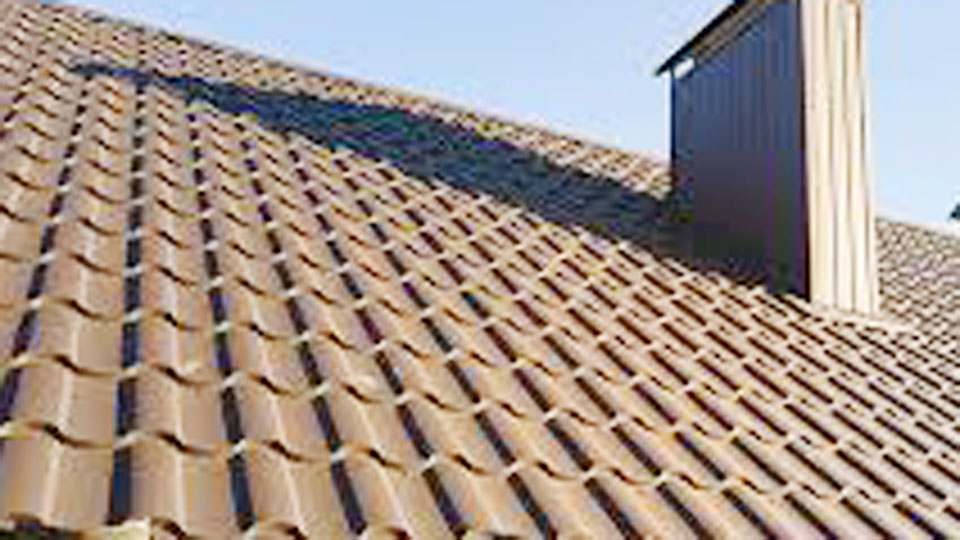
Photo by prsroofpro
Painting a galvanized metal roof isn’t just about aesthetics. It helps prevent corrosion, improves energy efficiency, and gives your property a polished look.
If you’re working on a home, barn, workshop, or shed, I’ll walk you through everything you need to know. And don’t worry—I’ll keep it simple, straightforward, and beginner-friendly.
Let’s dive into the full process of how to paint a galvanized metal roof the right way.
Why Galvanized Metal Roofs Need Special Care
Before you even pick up a paintbrush, it’s important to understand what makes galvanized metal different.
Galvanized steel is coated with a thin layer of zinc to protect it from rust. While this coating is great at preventing corrosion, it can also cause problems for paint adhesion.
Freshly galvanized metal often has a slick, shiny surface that resists paint. If you don’t treat it properly, the paint will peel or flake off over time.
Also, many galvanized roofs have something called “white rust” or a thin film of oil left from the manufacturing process. That’s another reason why cleaning and prepping the surface is such a crucial step.
When Is the Best Time to Paint a Galvanized Roof?
Timing matters a lot. Try to paint during mild weather—spring or early fall usually works best. Avoid days that are too hot, too cold, or too humid.
Here are the ideal weather conditions:
- Temperature between 50°F and 85°F
- Low humidity (below 60% is best)
- No rain in the forecast for at least 2-3 days
- Overcast or cloudy days are better than direct sunlight
Direct sun can cause the paint to dry too fast, which can lead to blistering or poor adhesion.
Tools and Materials You’ll Need
Before you get started, gather all your supplies. Having everything ready makes the job smoother.
| Item | Purpose |
|---|---|
| Pressure washer or garden hose | To clean the roof |
| Mild detergent or degreaser | To remove oil and dirt |
| White vinegar or etching primer | To neutralize zinc surface |
| Wire brush or scouring pad | For stubborn spots or rust |
| Galvanized metal primer | To help paint stick properly |
| 100% acrylic or latex paint | Best for metal roofs |
| Paintbrush, roller, or airless sprayer | Choose based on roof size |
| Ladder or scaffolding | For safe access |
| Safety gear | Gloves, goggles, non-slip boots |
Take your time collecting these tools. Don’t rush into painting without prepping first. That’s where most people go wrong.
Step-by-Step Guide: How to Paint a Galvanized Metal Roof
Step 1: Inspect the Roof
Start by taking a good look at your roof. Check for signs of damage—loose panels, rust, leaks, or structural issues. Make sure the surface is dry and safe to walk on. If it’s slippery, wait for a drier day.
Step 2: Clean the Surface Thoroughly
This step is probably the most important of the whole process.
Use a garden hose or pressure washer to rinse off loose dirt, debris, and dust. Next, mix a mild detergent with water and scrub the roof with a soft-bristle brush or mop. If there’s oil or greasy residue (common on newer roofs), use a degreaser or vinegar solution.
Let everything sit for about 10–15 minutes. Then rinse thoroughly. If you’re using a pressure washer, keep it at a moderate setting to avoid damaging the metal.
Make sure the roof is completely dry before moving on. This could take a few hours or even a full day depending on the weather.
Step 3: Apply Vinegar or Etching Solution
If the roof is newly galvanized (less than 6 months old), you’ll want to treat it with white vinegar. This helps break down the protective zinc layer just enough for the paint to grip.
Just pour the vinegar into a spray bottle or apply with a sponge. Let it sit for 30–60 minutes, then rinse again. Alternatively, you can use a store-bought etching primer made for galvanized metal.
Step 4: Remove Any Rust
If you spot any rust patches, use a wire brush, sandpaper, or scouring pad to scrub them away. You don’t want to paint over rust—it’ll just keep spreading underneath the paint.
Once the rust is gone, wipe the area clean with a damp cloth and let it dry.
Step 5: Apply a Galvanized Metal Primer
Now it’s time to prime. Choose a primer that’s specifically labeled for galvanized metal. This creates a strong bond between the metal and the paint.
Use a roller, brush, or airless sprayer to apply an even coat. Make sure you get into all the grooves and seams. One good coat is usually enough, but check the label to be sure.
Let the primer dry completely. Most take about 4–6 hours to cure, but some fast-drying formulas might be ready sooner.
Step 6: Paint the Roof
Finally, you’re ready to paint. Choose a high-quality acrylic latex paint or a product designed for metal roofs. Avoid oil-based paints—they don’t work well on galvanized surfaces.
Apply the paint in even, overlapping strokes. You can use a brush for tight corners and edges, then switch to a roller or sprayer for large, flat areas.
Plan for two coats. The first coat should be thin and even. Let it dry for at least 4–6 hours before applying the second coat. Don’t rush this step. Patience is key to a long-lasting finish.
Step 7: Inspect and Touch Up
Once the final coat is dry, walk the roof again and inspect everything. Touch up any missed spots or thin areas. Make sure all edges, screws, and seams are covered.
You’re done! Now all that’s left is to clean up your tools and enjoy the fresh new look of your roof.
Helpful Tips for Best Results
- Use a paint sprayer for large roofs—it’s quicker and gives a smoother finish.
- Always stir your paint thoroughly before starting.
- Don’t paint in windy conditions—it can cause uneven coverage or overspray.
- If the roof is steep or tall, use a harness and proper safety equipment.
- Double-check the paint can for drying times, coverage rates, and recommendations.
Benefits of Painting a Galvanized Roof
Painting a galvanized roof isn’t just about looks. There are plenty of practical benefits too.
- Improved Energy Efficiency: Light-colored paints reflect heat, lowering indoor temps in summer.
- Extended Roof Life: Paint protects against rust, UV damage, and corrosion.
- Better Curb Appeal: A freshly painted roof boosts the appearance of your entire property.
- Easier Maintenance: A painted surface is easier to clean and spot damage on.
If your roof has started to fade or develop rust spots, painting can give it a second life without the cost of full replacement.
Common Mistakes to Avoid
- Skipping the vinegar or primer step: This is the top reason paint peels off.
- Painting over dirty or wet surfaces: Moisture ruins adhesion.
- Using the wrong paint type: Not all paints are made for galvanized metal.
- Not checking the weather: Rain or sun can ruin your finish.
Take your time and do each step right. It’ll save you a lot of headaches down the road.
Conclusion
Painting a galvanized metal roof might sound like a big job, but trust me—it’s totally doable if you take it step by step.
I’ve done it more than once, and each time the key was proper prep. Clean well, treat the surface, prime correctly, and use the right paint. That’s the whole formula.
Not only will your roof look fresh and new, but it’ll also last longer and perform better. And you don’t need to be a professional painter to pull it off—just some patience, the right tools, and a little know-how.
If your galvanized roof is showing signs of age or you just want a new look, go ahead and give it the attention it deserves. It’s a satisfying project that pays off for years.
FAQs
Can I paint a galvanized metal roof without primer?
No, primer is essential for good adhesion. Skipping it can cause the paint to peel or bubble.
What kind of paint should I use on a galvanized metal roof?
Use 100% acrylic latex paint or a product labeled for galvanized metal. Avoid oil-based paints.
How long does paint last on a galvanized roof?
With proper prep and good materials, the paint can last 10 to 15 years before needing a touch-up.
Do I need to pressure wash the roof before painting?
It’s highly recommended. A pressure washer helps remove dirt, mildew, and loose particles for better adhesion.
How do I know if my galvanized roof is ready to paint?
The surface should be clean, dry, and slightly dull—not shiny. That means it’s ready for primer and paint.
Can I paint over rusted areas?
No. Always remove rust completely before priming and painting to avoid future problems.
Is it safe to walk on a metal roof while painting?
It can be, if you’re careful. Wear non-slip shoes and use a safety harness if needed. Avoid steep or wet surfaces.
Can I paint a galvanized roof in the winter?
It’s not ideal. Cold weather can prevent proper drying and curing. Wait for warmer, dry weather if possible.
Let me know if you need a version formatted for uploading or want me to help you break this into a webpage structure.


