
I’ll never forget the first time I got hit with galvanized poisoning. I was welding a galvanized steel pipe in a poorly ventilated shop, and a few hours later, I felt like I’d been run over by a truck—fever, chills, and a headache that wouldn’t quit.
If you’re wondering how long does galvanized poisoning last, you’re in the right place. I’m going to walk you through what it is, how it feels, and how long it takes to recover, as if we’re sitting in my shop, sharing stories and hard-earned lessons. If you’re a welder or working with galvanized metal, this guide will help you understand and manage this condition.
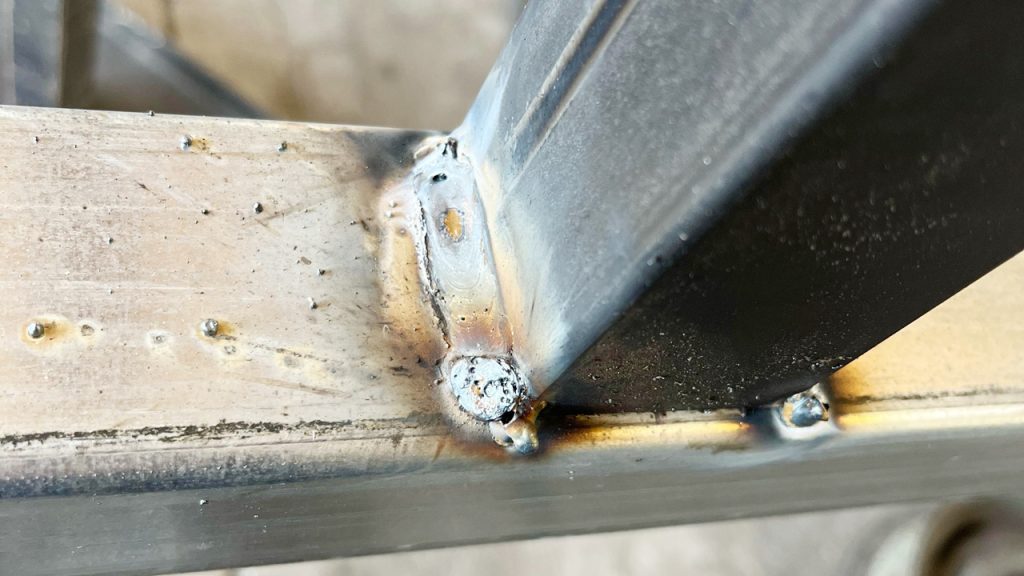
Image by reddit
Galvanized poisoning, also called metal fume fever, happens when you inhale zinc oxide fumes from welding, cutting, or heating galvanized steel. It’s not life-threatening, but it’s no picnic either. Let’s dive into what you need to know to stay safe and recover quickly.
What Is Galvanized Poisoning?
Galvanized poisoning is a temporary illness caused by inhaling zinc oxide fumes. These fumes are released when you weld, cut, or heat galvanized steel, which is coated with a zinc layer to prevent rust. The symptoms hit hard and fast, mimicking the flu—fever, chills, nausea, headache, and muscle aches. I’ve had it a couple of times, and it’s like your body’s screaming at you to take a break.
The first time it happened, I was welding a galvanized fence post without proper ventilation. By evening, I was shivering and exhausted. It’s common among welders, but understanding its duration and how to manage it can make all the difference.
How It Happens
When you heat galvanized steel above 392°F, the zinc coating vaporizes, releasing zinc oxide fumes. These fumes irritate your lungs and trigger an immune response. I’ve seen it happen most often in shops with poor airflow or when welders skip respirators. It’s not just welding—plasma cutting or grinding galvanized metal can also release these fumes.
Symptoms of Galvanized Poisoning
Here’s what I felt during my bouts, and what you might experience:
- Fever and chills
- Headache
- Nausea or vomiting
- Muscle aches
- Fatigue
- Dry throat or cough
- Metallic taste in the mouth
Symptoms usually start 4-10 hours after exposure. For me, it hit around dinnertime after a long day welding galvanized pipes.
How Long Does Galvanized Poisoning Last?
The good news? Galvanized poisoning is usually short-lived. Based on my experience and talking with other welders, symptoms typically last 24-48 hours.
For me, the worst of it—fever, chills, and headache—peaked within the first 12-24 hours and faded by the second day. By day three, I was back to normal, though a bit tired.
The duration depends on a few factors:
- Exposure Level: Heavy exposure (e.g., welding in a confined space) can prolong symptoms.
- Ventilation: Good airflow reduces fume inhalation, shortening recovery.
- Your Health: If you’re healthy, you’ll bounce back faster. Chronic conditions may extend symptoms slightly.
I’ve had milder cases clear up in a day, while a bad exposure once kept me down for nearly two days. Let’s break down what affects recovery time and how to manage it.
Factors That Affect Recovery Time
Not every case of galvanized poisoning is the same. Here’s what I’ve learned about what influences how long it lasts.
Amount of Fume Exposure
The more fumes you inhale, the worse the symptoms and the longer they may linger. I got a mild case from briefly welding a galvanized bracket outdoors—it was gone in 24 hours. But welding indoors without a respirator? That knocked me out for closer to 48 hours.
Ventilation and Work Environment
Good ventilation is a lifesaver. Working outside or with strong exhaust fans reduces fume exposure. I’ve welded galvanized steel in open air with minimal issues, but in a cramped shop, the fumes build up fast, worsening symptoms.
Personal Health and Sensitivity
Your body’s response matters. If you’re healthy, hydrated, and rested, you’ll recover faster. I’ve noticed younger welders or those in good shape bounce back quicker. If you have respiratory issues, symptoms might linger a bit longer.
Repeated Exposure
Welders who frequently work with galvanized steel can develop a tolerance, but repeated exposure without protection can make symptoms worse over time. I’ve met old-timers who shrug off mild cases, but I don’t recommend testing your luck.
| Factor | Impact on Duration | Notes |
|---|---|---|
| Fume Exposure | Heavy exposure = 48 hours or more | Less exposure shortens recovery |
| Ventilation | Poor ventilation = longer symptoms | Use fans or work outdoors |
| Personal Health | Good health = 24-48 hours | Chronic conditions may extend recovery |
| Repeated Exposure | Tolerance may shorten; chronic issues prolong | Avoid frequent unprotected exposure |
Managing Galvanized Poisoning: What to Do
If you’re hit with galvanized poisoning, don’t panic. Here’s how I’ve managed it to speed up recovery.
Step 1: Get Fresh Air
As soon as you feel symptoms, stop welding and move to fresh air. I once toughed it out in the shop, and it made things worse. Fresh air reduces further fume exposure and helps your lungs clear out.
Step 2: Hydrate
Drink plenty of water or electrolyte drinks. Zinc oxide fumes dehydrate you, and staying hydrated eases symptoms like headache and fatigue. I keep a water bottle nearby and sip constantly when symptoms hit.
Step 3: Rest
Your body needs energy to fight the inflammation. I’ve tried working through galvanized poisoning, and it only prolonged the misery. Rest for 24-48 hours—sleep helps a ton.
Step 4: Take Over-the-Counter Relief
For fever or aches, I use ibuprofen or acetaminophen. They don’t cure it, but they make you more comfortable. I took ibuprofen during my worst case, and it dulled the headache enough to sleep.
Step 5: Monitor Symptoms
Most cases resolve on their own, but if symptoms last beyond 48 hours or you have trouble breathing, see a doctor. I’ve never needed medical help, but I keep an eye on my breathing just in case.
Preventing Galvanized Poisoning
The best way to deal with galvanized poisoning is to avoid it altogether. Here’s how I protect myself when welding galvanized steel.
Use Proper Ventilation
Work in a well-ventilated area. I use industrial exhaust fans or weld outdoors whenever possible. If you’re in a confined space, set up portable fans to pull fumes away.
Wear a Respirator
A respirator with a P100 filter blocks zinc oxide fumes. I didn’t use one early on and paid the price. Now, I wear a fitted respirator for every galvanized job—it’s a game-changer.
Remove the Galvanizing Layer
Grind or sand off the zinc coating before welding. I use a flap disc or wire wheel to strip the galvanizing from the weld area. It’s extra work but reduces fumes significantly.
Use Milk as a Myth-Busting Precaution
Some welders swear by drinking milk before welding galvanized steel to prevent poisoning. I’ve tried it, and it didn’t make a difference for me—it’s more myth than science. Focus on ventilation and respirators instead.
| Prevention Method | Effectiveness | Notes |
|---|---|---|
| Ventilation | High | Use fans or work outdoors |
| Respirator | Very High | P100 filter blocks zinc oxide fumes |
| Remove Galvanizing | High | Grinding reduces fume production |
| Drinking Milk | Low | Not scientifically proven |
Long-Term Effects and Concerns
Galvanized poisoning is usually temporary, but I’ve heard welders worry about long-term effects. In my experience, a single case doesn’t cause lasting harm if you recover fully. However, repeated exposure to zinc oxide fumes without protection can lead to chronic respiratory issues. I know a welder who developed a persistent cough after years of welding galvanized steel without a respirator.
To stay safe long-term, always use proper protection and limit exposure. If you work with galvanized steel often, get regular check-ups to monitor lung health.
When to Seek Medical Help
Most cases of galvanized poisoning resolve without a doctor, but there are red flags to watch for. If you experience these, get medical help:
- Symptoms lasting more than 48 hours
- Severe shortness of breath
- Chest pain
- High fever (above 102°F)
I’ve never had to see a doctor for it, but I keep these signs in mind, especially after heavy exposure.
Common Mistakes Welders Make
I’ve seen welders (and myself) make mistakes that lead to galvanized poisoning. Here’s how to avoid them:
- Skipping Ventilation: Welding indoors without fans is a recipe for trouble. Always ensure airflow.
- Not Wearing a Respirator: It’s uncomfortable, but it’s your best defense. I skipped it once and regretted it.
- Ignoring Early Symptoms: If you feel a metallic taste or headache, stop welding immediately.
- Not Cleaning Metal: Grinding off galvanizing reduces fumes. I’ve skipped this step and paid with a rough night.
Real-Life Experience: My Worst Case
The worst case I had was welding galvanized ductwork in a tight basement shop. I didn’t have a respirator, and the ventilation was terrible—just a small fan. By evening, I had chills, a fever, and a pounding headache. It felt like the flu, but I knew it was the zinc fumes.
I drank water, took ibuprofen, and rested. By the second day, I was better but still tired. It lasted about 36 hours total. Since then, I never weld galvanized steel without a respirator and proper ventilation.
Practical Tips for Welders
Here are some hard-earned tips to manage and prevent galvanized poisoning:
- Invest in a Good Respirator: A P100 filter is worth every penny.
- Set Up Exhaust Fans: Even a cheap box fan can improve airflow.
- Grind Off Galvanizing: It’s extra work but cuts fume exposure.
- Stay Hydrated: Keep water or electrolytes nearby to fight dehydration.
- Know Your Limits: Stop welding if you feel symptoms starting.
These tricks have kept me safe and healthy on the job.
Navigating Galvanized Poisoning with Confidence
Galvanized poisoning is a rough experience, but it’s temporary—usually lasting 24-48 hours with proper care. I’ve been there, shivering and aching, but with rest, hydration, and prevention, you can avoid the worst of it.
Understanding how long galvanized poisoning lasts and how to manage it empowers you to weld safely and recover quickly. If you’re a hobbyist or a pro welder, prioritizing ventilation, respirators, and smart prep will keep you healthy and productive.
FAQ
How long does galvanized poisoning typically last?
It usually lasts 24-48 hours. Symptoms like fever and chills peak within 12-24 hours and fade by day two. Rest and hydration speed recovery.
Can galvanized poisoning cause permanent damage?
A single case typically doesn’t cause lasting harm. Repeated exposure without protection can lead to respiratory issues. I always use a respirator now.
What are the first signs of galvanized poisoning?
You might notice a metallic taste, dry throat, headache, or chills 4-10 hours after exposure. I felt a headache first during my worst case.
Does drinking milk prevent galvanized poisoning?
I’ve tried it, and it didn’t help. It’s a myth—focus on ventilation and a respirator instead.
How can I prevent galvanized poisoning?
Use a P100 respirator, weld in a well-ventilated area, and grind off the zinc coating. These steps have kept me safe for years.
When should I see a doctor for galvanized poisoning?
If symptoms last beyond 48 hours, or you have severe breathing issues, chest pain, or a high fever, get medical help. I’ve never needed it, but monitor closely.


