
I used to think that all high-carbon steels were pretty much interchangeable—until I got my hands on blades made from both D2 and 440C steel. One ended up holding its edge so well it felt invincible, while the other resisted rust and stayed sharp with a lot less effort. That’s how I learned firsthand that D2 and 440C may both be durable steels, but they each shine in their own way.
From my experience—and plenty of cutting, sharpening, and field testing—D2 is like the workhorse: incredibly hard and wear-resistant, it’s built to stay sharp through tough use. But that toughness comes with some quirks: it’s prone to chipping under impact and doesn’t resist corrosion well.
Meanwhile, 440C offers excellent rust resistance thanks to its higher chromium content, and it cleans up nicely after use. It’s slightly softer than D2, but this makes it easier to sharpen and more forgiving when dropped or twisted.
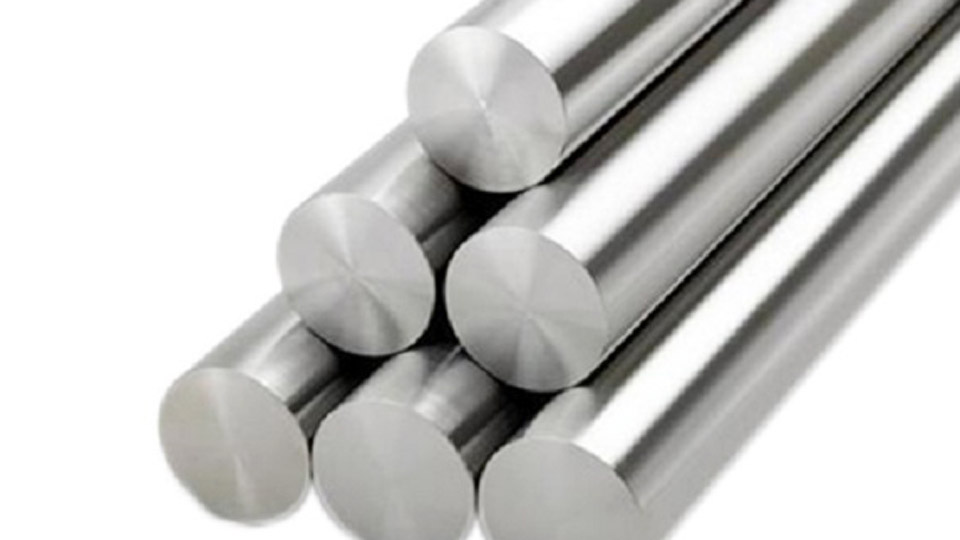
Image by zeicin
I’ll walk you through the real-world differences I’ve seen with these steels—edge retention, corrosion behavior, sharpenability, and toughness—so you can figure out which one is the best fit for your cutting needs, whether it’s hunting, cooking, or everyday carry.
What Are 440C and D2 Steels?
To weld or work with these steels, you need to know what they’re made of and how they behave. I’ve handled both in my shop, and their properties shape how I approach each job.
440C Stainless Steel
440C is a high-carbon martensitic stainless steel with 0.95-1.20% carbon and 16-18% chromium. The high chromium makes it truly stainless, forming a protective oxide layer that resists rust. I’ve used 440C for kitchen knives and surgical tools because it holds a sharp edge and doesn’t corrode in wet environments.
After heat treatment, it hits 58-60 HRC (Rockwell Hardness), balancing hardness and toughness. It’s a go-to for projects needing corrosion resistance and polishability.
D2 Tool Steel
D2 is a high-carbon, high-chromium tool steel with 1.4-1.6% carbon and 11-13% chromium, plus molybdenum and vanadium. It’s called “semi-stainless” because much of its chromium forms carbides, reducing corrosion resistance.
I’ve welded D2 for industrial cutting tools and heavy-duty knives. It reaches up to 62 HRC, making it harder and more wear-resistant than 440C, but it’s tougher to sharpen and rusts easier without care.
| Steel | Carbon | Chromium | Key Feature | Hardness (HRC) |
|---|---|---|---|---|
| 440C | 0.95-1.20% | 16-18% | Corrosion resistance | 58-60 |
| D2 | 1.4-1.6% | 11-13% | Wear resistance | 60-62 |
Why Compare 440C and D2?
Choosing between 440C and D2 matters because each excels in different scenarios. I’ve seen DIYers pick 440C for backyard projects like custom chef’s knives, while pros use D2 for industrial dies that take a beating. The wrong choice can mean a rusted blade or a chipped edge. For welders, their weldability—or lack thereof—affects how you approach repairs or fabrication.
Real-World Applications
440C: Kitchen knives, surgical instruments, bearings, valve parts. I welded 440C for a marine valve once—its rust resistance was clutch in saltwater.
D2: Industrial cutting tools, stamping dies, tactical knives. I used D2 for a woodworking blade that stayed sharp through months of hard use.
Properties of 440C and D2 Steels
Let’s dig into the properties that define 440C stainless steel vs D2 for welding and use.
Corrosion Resistance
440C’s high chromium content (16-18%) forms a passivation layer, making it excellent for wet or corrosive environments. I’ve made 440C knives for fishermen that stayed rust-free after years of saltwater exposure.
D2, with 11-13% chromium, has half its chromium tied up in carbides, so it’s only semi-stainless. I’ve seen D2 blades darken or pit without regular oiling, especially in humid Texas summers.
Hardness and Wear Resistance
D2’s higher carbon (1.4-1.6%) and carbide-forming elements like vanadium make it slightly harder (60-62 HRC) and more wear-resistant than 440C (58-60 HRC). I’ve used D2 for industrial punches that outlasted 440C in abrasive conditions. But 440C’s finer grain structure makes it less brittle, so it’s less likely to chip under impact.
Toughness
Toughness is about resisting cracks or chips. 440C has better toughness than D2 due to its martensitic structure, making it less prone to fracturing. I dropped a 440C knife on concrete once, and it held up fine. D2, being harder, is more brittle. I’ve seen D2 blades chip when prying or cutting hard materials.
Edge Retention
D2’s higher hardness and carbides give it better edge retention. I made a D2 tactical knife that stayed sharp through weeks of cutting rope and wood. 440C holds an edge well but dulls faster under heavy use. It’s still great for kitchen knives where frequent sharpening is no big deal.
Ease of Sharpening
440C is easier to sharpen due to its lower hardness and finer carbides. I can hone a 440C blade on a basic whetstone in minutes. D2’s hardness and coarse carbides make sharpening a chore—I use diamond stones to get a good edge on D2 knives.
| Property | 440C | D2 |
|---|---|---|
| Corrosion Resistance | Excellent (stainless) | Moderate (semi-stainless) |
| Hardness | 58-60 HRC | 60-62 HRC |
| Toughness | Good, less brittle | Moderate, more brittle |
| Edge Retention | Good | Excellent |
| Ease of Sharpening | Easier, finer carbides | Harder, coarse carbides |
Welding 440C and D2 Steels
Welding these steels is tricky, and I’ve had my share of headaches. Both are high-carbon, high-chromium alloys with lots of carbides, making them prone to cracking during welding. Here’s how I approach it.
Challenges of Welding 440C and D2
Cracking Risk: High carbon content leads to brittle welds. I’ve seen cracks form in D2 when I didn’t preheat properly.
Carbide Formation: Chromium carbides reduce weldability and corrosion resistance in the weld zone. 440C is slightly easier to weld due to its finer carbides.
Heat Sensitivity: Both steels need precise heat control to avoid distortion or loss of hardness. I burned through a 440C blade once by overheating.
Best Welding Methods
Traditional welding like MIG or stick is tough on 440C and D2 due to their hardness. I’ve had better luck with these methods:
TIG Welding
TIG (Tungsten Inert Gas) gives me the most control. I use a low amperage (30-50 amps for 1/8-inch stock) and 100% argon shielding gas. For 440C, I use a 309L stainless filler rod to match its corrosion resistance. For D2, an H13 tool steel filler works, but it’s still tricky. I keep the arc tight and move fast to minimize heat buildup.
Laser Welding
For precision repairs, like knife edges, laser welding is ideal. It’s not practical for DIYers, but I’ve used it in industrial settings for D2 dies. The focused heat reduces cracking risks.
Brazing as an Alternative
When welding fails, I braze with silver-based filler (like Harris Stay-Silv 56). It’s lower heat (around 1200°F) and works for both steels. I brazed a 440C valve part once, and it held up in a corrosive environment.
Welding Tips
- Preheat: Heat to 400-500°F to reduce thermal shock. I use a propane torch and a temp stick.
- Post-Weld Heat Treatment: Temper at 300-400°F to relieve stresses. I skipped this once on D2, and the weld cracked overnight.
- Clean Thoroughly: Use acetone and a wire brush to remove oxides. Dirty surfaces ruined a D2 weld for me early on.
- Use Low Heat: High heat softens the steel or causes cracks. I keep my TIG at the lowest effective amps.
Preparing 440C and D2 for Welding
Prep is critical for these hard steels. Here’s my process:
Clean the Surface
Grind or sand to bare metal with a 60-grit flap disc, then degrease with acetone. I’ve had porous welds from skipping this step.
Bevel the Edges
For butt welds, I grind a 30-degree bevel to ensure filler penetration. A tight fit-up is key—gaps lead to weak welds.
Preheat the Material
Preheating to 400-500°F reduces cracking. I use a digital thermometer to check temps. For thin stock, I go lighter to avoid warping.
Test Weld on Scrap
I always test on scrap of the same steel. It helps me dial in settings and avoid ruining the workpiece.
| Prep Step | Purpose | Tools Needed |
|---|---|---|
| Clean Surface | Removes contaminants | Grinder, acetone, wire brush |
| Bevel Edges | Ensures filler penetration | Angle grinder, 30-degree bevel |
| Preheat | Reduces thermal shock, cracking | Propane torch, temp stick |
| Test Weld | Dial in settings | Scrap metal, welder |
Applications for 440C and D2 Steels
Both steels shine in specific scenarios. Here’s where I’ve used them:
440C Applications
- Knives: Kitchen and hunting knives. I made a 440C chef’s knife that’s still rust-free after years in a humid kitchen.
- Bearings: Used in high-load, corrosion-resistant bearings. I welded 440C for a marine pump bearing housing.
- Surgical Tools: Scalpels and dental instruments. Its polishability and rust resistance are perfect.
- Valve Parts: Great for corrosive environments like chemical plants.
D2 Applications
- Industrial Tools: Cutting dies and punches. I welded D2 for a stamping die that outlasted softer steels.
- Tactical Knives: Holds an edge in rough conditions. I made a D2 survival knife that cut through rope and wood like butter.
- Woodworking Tools: Blades for planers and saws. D2’s wear resistance is a game-changer.
Choosing Between 440C and D2
The choice depends on your project. Here’s how I decide:
Pick 440C If: You need corrosion resistance, like for marine or kitchen use. It’s easier to sharpen and more forgiving for DIYers. I chose 440C for a fillet knife used on fishing trips.
Pick D2 If: Edge retention and wear resistance are key, like for industrial tools or heavy-duty knives. Be ready to oil it regularly. I used D2 for a bushcraft knife that saw heavy use.
Cost Considerations
440C is often cheaper than D2 due to lower alloy content and simpler production. For budget-conscious DIYers, 440C is a solid choice. D2’s higher cost is worth it for pros needing extreme durability.
Real-Life Experience: A Knife-Making Lesson
A few years back, I made two knives—one 440C, one D2—for a client. The 440C knife was for kitchen use, and its polished, rust-free finish impressed the client after months of daily use. The D2 knife was for camping, and it held its edge through chopping kindling but showed surface rust after a wet trip.
I had to re-weld a cracked D2 blade tip because I rushed the preheat. Lesson learned: respect D2’s brittleness and always prep properly.
Common Mistakes and How to Avoid Them
I’ve messed up with both steels. Here’s what to watch for:
- Skipping Preheat: Causes cracks, especially in D2. Always preheat to 400-500°F.
- Overheating: Softens the steel or burns out carbon. Use low amps and move fast.
- Dirty Surfaces: Leads to porous welds. Clean to bare metal every time.
- Wrong Filler: Mismatched fillers weaken welds. Use 309L for 440C, H13 for D2.
- Ignoring Maintenance: D2 rusts without oil. I keep a rag and gun oil handy for D2 tools.
Practical Tips for Working with 440C and D2
Here are my go-to tips from years of welding these steels:
- Use Diamond Stones for D2: They cut through its hard carbides faster than ceramic stones.
- Polish 440C for Looks: Its fine grain takes a mirror finish, great for custom knives.
- Test Heat Treatment: Practice on scrap to get the right hardness without cracking.
- Keep D2 Oiled: A thin coat of mineral oil prevents rust in humid conditions.
- Use a Jig for Thin Stock: Prevents warping when welding thin 440C or D2 sheets.
Troubleshooting Weld Imperfections
If your welds go wrong, here’s how I fix them:
- Cracks: Likely from no preheat or fast cooling. Re-weld with proper preheat and slow cooling.
- Porosity: Caused by dirty surfaces or bad gas flow. Clean thoroughly and check argon at 15-20 CFH.
- Weak Welds: Wrong filler or poor penetration. Use the right filler and bevel edges.
- Warping: Too much heat. Use lower amps and tack weld first.
I had porosity in a 440C weld once—turned out my argon flow was too low. Adjusted it, and the next weld was clean.
Picking the Right Steel for Your Project
Understanding 440C stainless steel vs D2 comes down to balancing corrosion resistance, hardness, and weldability for your needs. 440C is your friend for rust-free knives or parts in wet environments, and it’s easier to weld and sharpen. D2 shines when you need a tough, long-lasting edge for heavy-duty tools, but it demands more maintenance.
My mistakes—like cracking a D2 blade—taught me to respect their differences. Whether you’re a DIYer crafting a hunting knife or a pro welding industrial dies, choose based on your environment and use case. Grab your welder, prep carefully, and make something that lasts!
Which is better for a knife, 440C or D2?
It depends on use. 440C is better for corrosion resistance, ideal for kitchen or marine knives. D2 has better edge retention for heavy-duty or tactical knives but needs rust prevention.
Can I weld 440C and D2 with a MIG welder?
It’s tough. Both steels are prone to cracking with MIG due to high carbon content. I prefer TIG with low amps and proper preheat for better control and fewer cracks.
How do I prevent rust on D2 steel?
Wipe D2 with mineral oil after use and store it dry. I keep a rag and oil in my toolbox for D2 knives to prevent pitting in humid conditions.
Is 440C easier to sharpen than D2?
Yes. 440C’s finer carbides and lower hardness make it easier to hone on a whetstone. D2’s coarse carbides need diamond stones and more effort.
Which steel is more cost-effective for DIY projects?
440C is usually cheaper and easier to work with due to its corrosion resistance and weldability. I’d pick it for budget-conscious DIY knife or tool projects.


