The first time I brazed copper with an oxy-acetylene torch, I’ll admit—I was a little nervous. The hiss of the flame, the bright heat, and the delicate dance of filler rod and metal can feel intimidating. But once you get the hang of it, brazing becomes almost like a form of metal art. There’s something incredibly satisfying about watching the filler flow smoothly into the joint, bonding everything together with strength and precision.
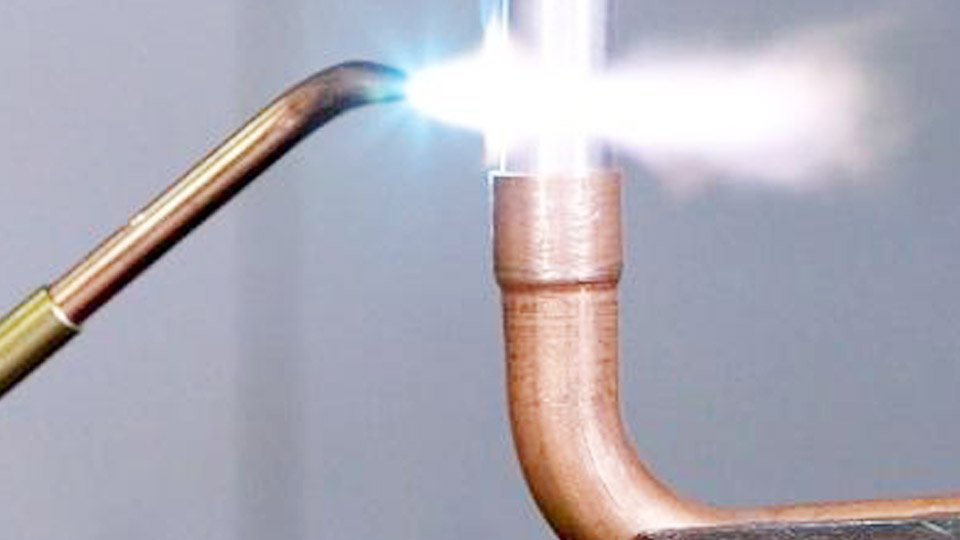
Image by thefabricator
I’ve tackled everything from plumbing lines to custom copper frames using this method, and what I’ve learned is that oxy-acetylene gives you unmatched control and power. It’s hot enough to handle thicker copper, flexible enough for tight spots, and when done right, the results are clean, leak-free, and built to last. I’ll walk you through everything you need to know—from prep to technique—to confidently braze copper like a pro.
What Is Brazing and Why Use Oxy Acetylene?
Brazing joins metals by heating them and melting a filler rod into the joint, which flows via capillary action. Unlike welding, it doesn’t melt the copper itself, and unlike soldering, it uses higher temperatures (above 840°F) for stronger bonds. I’ve brazed copper pipes for water lines and HVAC systems, and the joints hold up for years.
Oxy acetylene torches deliver intense, focused heat—up to 6,300°F—perfect for copper’s high thermal conductivity. I tried propane once for a 1” pipe, but it took forever to heat up. Oxy acetylene gets the job done fast, especially for larger pipes or tight spaces.
Brazing vs Soldering vs Welding
- Brazing: Uses filler metals melting above 840°F. I use it for high-pressure plumbing or HVAC.
- Soldering: Lower temperatures (350-600°F) with weaker solder. Good for low-pressure lines, but I avoid it for critical jobs.
- Welding: Melts the base metal, requiring high skill. I rarely weld copper—it’s tricky and risks warping.
| Method | Temperature | Strength | Best For |
|---|---|---|---|
| Brazing | Above 840°F | High | Plumbing, HVAC, copper art |
| Soldering | 350-600°F | Moderate | Low-pressure water lines |
| Welding | ~1,984°F | Very high | Structural copper, not common |
Tools and Materials for Brazing Copper
Here’s my go-to kit for brazing copper with oxy acetylene, built from years of plumbing and art projects:
- Oxy Acetylene Torch: Victor or Harris models for precise heat. I use a #2 or #3 tip for control.
- Brazing Rods: Copper-phosphorus (BCuP-5) for copper-to-copper; silver-based (Stay-Silv 15) for high strength.
- Flux: Borax-based for non-self-fluxing rods to prevent oxidation.
- Wire Brush: Stainless steel for cleaning copper.
- Emery Cloth: 120-grit for surface prep.
- Pipe Cutter: For square, clean cuts.
- Deburring Tool: To smooth cut edges.
- Safety Gear: Welding gloves, shade 5-6 goggles, fire-resistant jacket.
- Fire Extinguisher: Always nearby.
- Heat Shield: Fireproof fabric for protecting surfaces.
- Nitrogen Tank: For purging HVAC lines.
- Leak Detector Spray: To test joints.
Keep your torch tips clean. A clogged tip ruined a braze for me once—uneven flame, uneven heat.
Preparing Copper for Brazing
Prep is critical. A dirty joint caused a leak in a water line I brazed early on. Here’s my process:
Cut the Pipe Cleanly
Use a pipe cutter for a square cut. I’ve used a hacksaw, but it’s harder to keep straight. For a 3/4” pipe, I ensure the cut is within 1/16” of square for a tight fit.
Deburr and Polish
Remove burrs with a deburring tool. I clean the pipe and fitting with a wire brush or 120-grit emery cloth until they gleam. Any oil or oxide blocks filler flow. I wipe with acetone for greasy surfaces.
Check Fit-Up
The pipe should fit snugly in the fitting with a 0.002-0.004” gap for capillary action. I test-fitted a 1/2” pipe and found it too loose once—swapped the fitting to avoid a weak joint.
Apply Flux (If Needed)
Copper-phosphorus rods are self-fluxing for copper-to-copper, so I skip flux there. For silver-based rods or copper-to-brass, I brush on a thin layer of borax-based flux to prevent oxidation.
| Prep Step | Purpose | Tools Needed |
|---|---|---|
| Cut Cleanly | Ensures tight fit | Pipe cutter |
| Deburr/Polish | Removes burrs, oxides | Deburring tool, wire brush, emery cloth |
| Check Fit-Up | Confirms proper gap | Pipe, fitting |
| Apply Flux | Prevents oxidation | Flux brush, borax-based flux |
Step-by-Step Guide to Brazing Copper with Oxy Acetylene
Here’s how I braze copper pipes, refined from countless jobs:
Set Up Safely
Work in a ventilated area—outdoors or with a shop fan. I use a fireproof blanket to shield walls or floors. Keep a fire extinguisher and water bucket nearby. I almost sparked a fire once without a heat shield—lesson learned.
Adjust the Torch
Set regulators to 3-5 psi for both oxygen and acetylene for a neutral flame (clear inner cone, no haze). I open the acetylene valve 1/4 turn, light it with a striker, then add oxygen until the flame is sharp. Too much acetylene makes a sooty, carburizing flame that dirties the joint.
Purge with Nitrogen (Optional)
For HVAC lines, I purge with nitrogen at 2-3 psi to prevent internal oxidation. I hook up a tank and let it flow during brazing, keeping the pipe’s interior clean for refrigerant systems.
Heat the Joint
Heat the pipe first, then the fitting, keeping the torch moving to avoid hot spots. I aim for a dull red glow (~1,150°F). Overheating to bright red warps copper—I learned this fixing a 1” pipe that buckled. The oxy acetylene flame’s intensity makes quick work of copper’s heat conductivity.
Apply the Filler Rod
Touch the rod to the joint, not the flame. The copper’s heat should melt it, letting filler flow into the gap. I use BCuP-5 for plumbing—cheap and effective. For HVAC, I choose Stay-Silv 15 for extra strength. Feed until a silver fillet forms. Don’t overfeed; excess filler looks messy and wastes rod.
Cool and Clean
Let the joint cool naturally for 10-15 minutes. Water-cooling can crack it—I learned this after ruining a refrigeration line. Once cool, I scrub off flux residue with a wire brush or warm water to prevent corrosion.
| Brazing Step | Key Action | Pro Tip |
|---|---|---|
| Set Up | Ventilate, shield surfaces | Keep extinguisher handy |
| Adjust Torch | Use neutral flame | Check for clear inner cone |
| Purge | Nitrogen for HVAC | Low pressure (2-3 psi) |
| Heat | Move flame, aim for dull red | Avoid bright red glow |
| Apply Filler | Melt with joint heat | Feed for smooth fillet |
| Cool/Clean | Cool naturally, remove flux | Inspect for voids |
Choosing the Right Brazing Rod
The rod you pick matters. Here’s what I use:
- BCuP-5 (Copper-Phosphorus): Self-fluxing, affordable, great for copper-to-copper plumbing. I used it on a water line that’s held for years.
- Stay-Silv 15 (15% Silver): Stronger, needs flux, ideal for HVAC or high-pressure jobs. I use it for refrigerant lines.
- Safety-Silv 45 (45% Silver): For copper-to-brass or steel. I brazed a copper-to-brass fitting for an HVAC job—rock solid.
| Brazing Rod | Composition | Flux Needed? | Best For |
|---|---|---|---|
| BCuP-5 | Copper, phosphorus | No | Plumbing, water lines |
| Stay-Silv 15 | Copper, 15% silver | Yes | HVAC, high-pressure systems |
| Safety-Silv 45 | Copper, 45% silver | Yes | Copper-to-brass, steel |
Safety Tips for Brazing with Oxy Acetylene
Brazing with oxy acetylene is hot and hazardous. Here’s how I stay safe:
Wear Proper Gear: Welding gloves, shade 5-6 goggles, fire-resistant jacket. I got a flash burn skipping goggles once—never again.
Ventilate: Fumes from flux or rods are toxic. I work outdoors or use a fan.
Use a Heat Shield: Protects nearby surfaces. I use a fireproof blanket in tight spaces.
Check for Flashback Arrestors: Built into modern torches, they prevent flame backflow. I double-check mine.
Handle Acetylene Safely: Open the valve only 1/4 turn for quick shutoff. I keep pressures low (3-5 psi).
Keep a Fire Extinguisher: Always within reach. I’ve never needed it, but it’s a must.
Common Applications for Brazing Copper
I’ve used oxy acetylene brazing for various projects:
Plumbing Repairs
Brazing creates leak-proof joints for water lines. I fixed a 3/4” copper pipe in a basement that’s held under high pressure for five years.
HVAC and Refrigeration
Refrigerant lines need gas-tight joints. I brazed a 1/2” copper line for an AC unit with Stay-Silv 15—no leaks, even with vibration.
Copper Art and Decor
For sculptures or steampunk-style lamps, brazing gives clean, strong joints. I made a copper tree sculpture with BCuP-5, and the joints blend seamlessly.
Industrial Piping
In commercial settings, I’ve brazed large copper pipes (1” and up) for high-pressure systems. Oxy acetylene’s heat makes quick work of thick metal.
Common Mistakes and How to Avoid Them
I’ve botched brazes before. Here’s how to avoid my errors:
- Dirty Surfaces: Oxides or grease block filler flow. I clean until the copper shines.
- Overheating: Bright red glow warps pipes. I stop at dull red.
- Wrong Flame: A carburizing flame dirties joints. I stick to neutral.
- Poor Fit-Up: Loose fittings leak. I ensure a snug fit with a small gap.
- Skipping Nitrogen: For HVAC, internal oxidation weakens joints. I always purge.
Troubleshooting Brazing Problems
If your braze fails, here’s how I fix it:
- Leaks: Gaps or insufficient filler. I reheat and add more rod.
- Weak Joints: From dirt or low heat. I clean and re-braze.
- Flux Residue: Corrodes copper. I scrub with a wire brush or warm water.
- Warped Pipe: Overheating. I replace the section and use less heat.
- Booger Welds: Uneven heat or dirty surfaces. I practice on scrap to perfect my technique.
Real-Life Experience: Brazing a Copper Sculpture
I built a copper tree sculpture for a local art show. I used 1/2” copper tubing, brazing joints with BCuP-5 and my oxy acetylene torch. I cut and deburred each piece, cleaned them to a mirror shine, and heated to a dull red before feeding the rod.
The joints formed smooth fillets, blending into the copper for a seamless look. I purged with nitrogen to keep the inside clean, as some tubes were sealed. The piece has been outdoors for a year with no corrosion or weak spots.
Advanced Tips for Pro-Level Brazing
- Use a Small Tip: A #2 or #3 tip gives precise heat for small pipes. I use it for 1/2” lines.
- Practice Flame Control: I move the torch in circles to heat evenly, avoiding hot spots.
- Purge for HVAC: Nitrogen is a must for refrigerant lines to prevent scaling.
- Test Joints: I use leak detector spray or soapy water to check for bubbles.
- Maintain Equipment: Clean torch tips weekly to ensure a steady flame.
| Tip | Benefit | When to Use |
|---|---|---|
| Small Tip | Precise heat | Small pipes, art |
| Flame Control | Even heating | All brazing jobs |
| Purge | Clean interior | HVAC, sealed tubes |
| Test Joints | Ensures no leaks | All projects |
| Maintain Torch | Consistent flame | Every job |
Braze Copper Like a Pro
Mastering brazing copper with oxy acetylene opens doors for DIYers and pros alike, from fixing leaks to crafting art. My early mistakes—like overheating or skipping prep—taught me to respect the process. With a clean surface, a neutral flame, and the right rod, you’ll create strong, leak-free joints that last.
Grab your torch, practice on some scrap, and take pride in work that stands up to pressure and time. You’re not just brazing—you’re building something that endures.
Can I braze copper with a propane torch instead of oxy acetylene?
Yes, for small pipes (1/2” or less), propane works, but it’s slower. I tried it on a 3/4” pipe, and it took too long to heat up. Oxy acetylene’s hotter flame is better for larger pipes or faster jobs.
Do I need flux for brazing copper with oxy acetylene?
Not for copper-to-copper with copper-phosphorus rods like BCuP-5—they’re self-fluxing. I use flux with silver-based rods or when joining copper to brass or steel to prevent oxidation.
How do I know if my brazed joint is good?
Look for a smooth, silver fillet around the joint with no gaps or voids. I test with soapy water or leak detector spray—bubbles mean a leak. A good joint holds pressure without dripping.
Why did my copper pipe warp during brazing?
Overheating is the culprit—bright red glow is too hot. I aim for a dull red and keep the flame moving. If it warps, cut out the section and try again with less heat.
Is brazing copper with oxy acetylene safe indoors?
Only with good ventilation and safety gear. I work outdoors or use a fan to avoid toxic fumes from flux or rods. Always have a fire extinguisher and heat shield nearby.