
A single contaminated weld can compromise the integrity of an entire structure, leading to costly repairs or catastrophic failures. Even experienced welders sometimes underestimate the crucial role that properly cleaned welds play in achieving maximum strength and durability.
Clean welds aren’t just about esthetics – they’re fundamental to creating stronger, more reliable joints. Whether you’re working on a critical infrastructure project or crafting custom metalwork, understanding how to get a stronger weld through cleaning is essential for achieving professional-grade results.
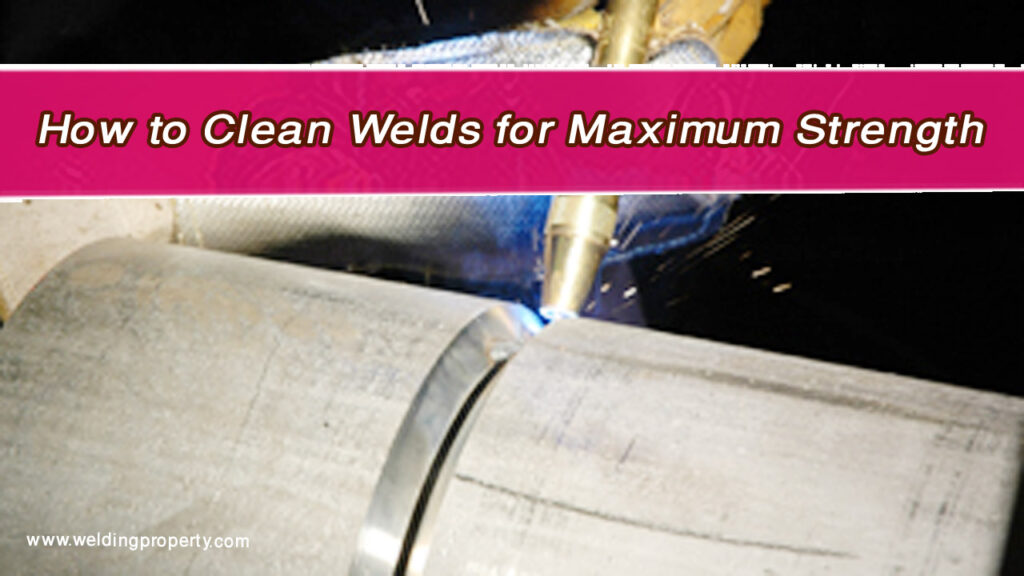
Image by hobartbrothers
In this guide, you through proven techniques for cleaning welds, from identifying common contaminants to implementing effective cleaning procedures. You’ll learn exactly what tools and methods to use, along with critical safety considerations to ensure optimal results.
Weld Contamination Types
Successful welding starts with understanding what we’re up against when it comes to contamination. In the world of welding, anything that’s not part of the base metal or filler material can potentially compromise your weld quality.
Common surface contaminants
Weld contaminants generally fall into three main categories:
- Organic contaminants: Including oils, greases, and carbon-based materials from machining processes or even fingerprints
- Inorganic contaminants: Such as dust, metal shavings, and abrasive particles from cutting processes
- Atmospheric contaminants: Including moisture, gasses, and airborne particles that can affect the weld zone
Manufacturing processes often leave behind residual contaminants. For instance, machining operations frequently result in oil residue that attracts dust and metal shavings, while plasma cutting can leave oxidized edges that require special attention before welding.
Impact on weld strength
The presence of contaminants can severely compromise weld integrity in several ways. Moisture and oil on welding surfaces can release hydrogen into the weld pool, leading to porosity – those unwanted holes that make your weld look like Swiss cheese. This doesn’t just affect appearance; it significantly reduces structural strength.
Surface contamination can lead to more severe issues like hydrogen embrittlement, particularly in processes sensitive to hydrogen intake. Even seemingly minor impurities in base materials can cause major problems – for example, stainless steels become more crack-sensitive when phosphorus and sulfur levels exceed 0.015%.
Visual identification of contamination
Visual inspection, while often underestimated, is actually one of the most effective methods for identifying contamination before it causes problems. When examining surfaces, look for:
| Indicator | What It Means |
|---|---|
| Rainbow-like sheen | Presence of oil or grease |
| Dull or oxidized appearance | Surface oxidation |
| Visible particles or dust | Environmental contamination |
| Discoloration | Chemical residue or heat effects |
Professional welders know that proper visual inspection before welding can prevent many common defects like undersized welds, undercut, overlap, and surface porosity. This preventive approach is far more efficient than trying to fix problems after they occur.
Pre-Welding Surface Preparation
Proper surface preparation is the foundation of achieving maximum weld strength. Different materials demand specific cleaning approaches to ensure optimal results.
Material-specific cleaning requirements
Carbon steel requires thorough removal of rust and mill scale before welding. For stainless steel, avoiding cross-contamination is crucial – never use tools that have been used on carbon steel. Aluminum presents unique challenges due to its quick oxidation rate, requiring cleaning immediately before welding.
Essential cleaning tools and supplies
A well-equipped welding station should include these essential cleaning tools:
| Tool | Primary Use | Best For |
|---|---|---|
| Angle Grinder | Heavy-duty cleaning and prep | Mill scale removal |
| Wire Brush | Surface cleaning and slag removal | Light contamination |
| Flap Disks | Blending and finishing | Surface preparation |
| Sanding Disks | Fine finishing | Final cleanup |
| Chemical Solvents | Removing oils and greases | Stubborn contaminants |
Pro tip: Keep separate cleaning tools for different metals to prevent cross-contamination, especially between carbon steel and stainless steel.
Environmental considerations
Modern weld cleaning demands attention to both safety and environmental impact. Key considerations include:
- Proper ventilation systems to remove harmful fumes
- Appropriate disposal of cleaning chemicals and residues
- Use of environmentally friendly cleaning solutions when possible
- Regular maintenance of dust collection systems
When using chemical cleaners, always work in well-ventilated areas and follow manufacturer guidelines for disposal. Electrochemical cleaning methods are gaining popularity as they offer an environmentally friendly alternative to traditional chemical cleaning, particularly for stainless steel applications.
Remember that inadequate ventilation during cleaning can lead to respiratory issues, especially when working with painted or coated materials. Always wear appropriate PPE, including respirators when necessary, and maintain good airflow in your work area.
Mechanical Cleaning Techniques
Mechanical cleaning stands as the cornerstone of achieving superior weld strength, combining traditional techniques with modern tools for optimal results. Let’s explore the most effective approaches to mechanical weld cleaning.
Wire brush methods and best practices
Wire brushes serve as the frontline tools in weld cleaning, with each type offering specific advantages. Wheel brushes excel in versatility, handling everything from pre-weld to post-weld cleaning tasks. For confined spaces like T-joints, end brushes prove invaluable, especially when working with TIG welds that require delicate cleaning.
Best practices for wire brush cleaning:
- Match brush material to base metal (stainless steel brushes for stainless steel work)
- Maintain proper pressure to avoid wire breakage
- Keep brush tips, not sides, in contact with the surface
- Rotate brushes regularly to maintain sharp wire tips
Grinding and sanding procedures
Effective grinding requires a systematic approach based on material type and desired finish. Here’s a progression of grinding steps for optimal results:
| Stage | Tool | Purpose |
|---|---|---|
| Initial Stock Removal | Grinding Wheel | Remove excess weld material |
| Surface Leveling | Flap Disk | Blend weld with base metal |
| Final Finishing | Sanding Disk | Achieve desired surface finish |
When grinding stainless steel, maintain angles between 5 to 35 degrees for best results. Cross-hatching your grinding pattern helps achieve a more uniform finish while preventing deep directional scratches.
Tool selection and maintenance
Proper tool care dramatically extends service life and ensures consistent cleaning quality. For wire brushes, immediate cleaning after use prevents debris accumulation and maintains bristle effectiveness. Regular inspection of grinding wheels and sanding disks for wear patterns helps prevent uneven surface finishing.
Store cleaning tools in dry conditions and keep them separated by material type to prevent cross-contamination. For powered tools, maintain proper RPM ratings and air pressure levels to ensure optimal performance. Remember that excessive pressure during cleaning doesn’t speed up the process – it actually reduces tool life and can compromise cleaning quality.
Chemical Cleaning Solutions
Chemical cleaning solutions offer a powerful complement to mechanical cleaning methods, particularly for stubborn contaminants that mechanical processes can’t effectively remove. Understanding the right chemical approach can make the difference between a mediocre and an exceptional weld.
Types of cleaning solvents
Chemical cleaners for welding fall into three main categories, each with specific applications:
| Solvent Type | Best Use Case | Key Considerations |
|---|---|---|
| Acetone | General degreasing | Fast evaporation, highly flammable |
| Pickling Paste | Stainless steel cleaning | Contains strong acids, requires certification |
| Electrochemical Solutions | Professional finishing | Mild phosphoric acid-based, safer alternative |
Important: Never use chlorinated brake cleaners, as they can produce dangerous gasses when heated during welding.
Application methods and timing
Proper application timing is crucial for chemical cleaning effectiveness:
- Apply solvents to cool surfaces only
- Allow complete evaporation before welding
- Keep cleaned surfaces protected from contamination
- Apply electrochemical solutions using specialized equipment
For acetone and alcohol-based cleaners, ensure thorough ventilation and wait for complete evaporation. With pickling paste, follow manufacturer-specified dwell times for optimal results.
Safety precautions and PPE
Chemical cleaning demands strict safety protocols. Essential PPE includes:
- Face Protection: Full-face shield capable of protecting throat
- Body Protection: Acid-resistant clothing with elasticated cuffs
- Hand Protection: Chemical-resistant neoprene rubber gloves
- Respiratory Protection: Appropriate respirators in enclosed spaces
Critical Safety Notes:
- Store chemicals in properly labeled containers
- Maintain spill containment materials nearby
- Keep fire extinguishers accessible when using flammable solvents
- Never mix different cleaning chemicals
- Ensure proper ventilation in work areas
For electrochemical cleaning, while it uses milder chemicals, maintain basic safety protocols including gloves and eye protection. This method offers a safer alternative to traditional pickling pastes while delivering professional results.
Quality Control and Testing
Ensuring weld quality requires systematic testing at every stage of the process. From initial surface preparation to final strength verification, comprehensive testing helps guarantee that your clean welds maintain their structural integrity.
Visual inspection methods
Visual inspection serves as the first line of defense in quality control, capable of detecting up to 80% of surface-related weld defects. A trained inspector examines welds using specific criteria:
- Surface appearance and uniformity
- Presence of visible defects like porosity or cracks
- Proper weld profile and size
- Evidence of adequate penetration
- Signs of contamination or oxidation
Pro tip: Use a 10x magnifying glass for detecting fine surface imperfections that might compromise weld strength.
Contact angle measurement
Contact angle measurement provides scientific validation of surface cleanliness before welding. This sophisticated technique involves:
| Measurement Aspect | Purpose | Significance |
|---|---|---|
| Static Angle | Surface wettability | Indicates cleaning effectiveness |
| Dynamic Angle | Contact angle hysteresis | Reveals surface consistency |
| Roll-off Angle | Surface contamination | Confirms cleanliness level |
The process uses microliter-sized droplets placed on the surface, with angles under 90 degrees typically indicating adequate cleanliness for welding. Single atomic layer sensitivity makes this method particularly valuable for critical applications requiring pristine surfaces.
Strength testing procedures
Modern weld testing combines both non-destructive and destructive methods to ensure comprehensive quality assessment:
Non-destructive Testing (NDT):
- Ultrasonic examination uses sound waves to detect internal flaws
- Magnetic particle testing reveals surface and near-surface defects
- Radiographic inspection provides detailed internal views
- Liquid penetrant testing enhances visual inspection capabilities
Destructive Testing:
- Tensile strength tests measure joint durability
- Bend tests evaluate ductility and penetration
- Impact testing assesses material toughness
For critical applications, combining multiple testing methods provides the most reliable validation of weld integrity.
Important: Always document test results and maintain records for quality assurance purposes.
Conclusion
Clean welds represent the cornerstone of structural integrity in any welding project. Through proper surface preparation, appropriate tool selection, and careful attention to both mechanical and chemical cleaning processes, welders can achieve maximum joint strength and durability. Quality control measures like visual inspection, contact angle measurement, and comprehensive strength testing provide essential validation of cleaning effectiveness.
Professional welders understand that proper weld cleaning demands more than just surface-level attention. Each step – from identifying contaminants to selecting appropriate cleaning methods and conducting thorough testing – plays a vital role in achieving optimal results. The combination of mechanical cleaning techniques with appropriate chemical solutions, when needed, creates the foundation for strong, reliable welds.
Success in weld cleaning comes from consistent application of proven methods and strict adherence to safety protocols. Whether working with carbon steel, stainless steel, or aluminum, following these cleaning guidelines will significantly improve weld quality and reduce the risk of costly failures. Remember that investing time in proper weld cleaning procedures pays dividends through stronger joints and more reliable finished products.


