A clean stainless TIG weld is supposed to come out bright, shiny, and almost mirror-like in the heat-affected zone. But sometimes you finish a pass, lift your helmet, and see dull grey or even dark discoloration running along the bead.
That’s usually the moment welders start asking Why Are My Stainless TIG Welds Grey—because something in the process isn’t quite right.
In real fabrication work, grey welds often point to issues like insufficient shielding gas, contamination, or heat input that’s a bit too high for stainless to handle cleanly. I’ve seen perfectly shaped beads turn dull just because of a small draft in the shop or a slight delay in gas coverage after stopping the arc.
That discoloration isn’t just cosmetic—it can hint at reduced corrosion resistance and weaker weld quality if it’s ignored.I’ll break down the real reasons stainless TIG welds turn grey and show you practical fixes you can apply on your next pass to get that clean, professional finish.
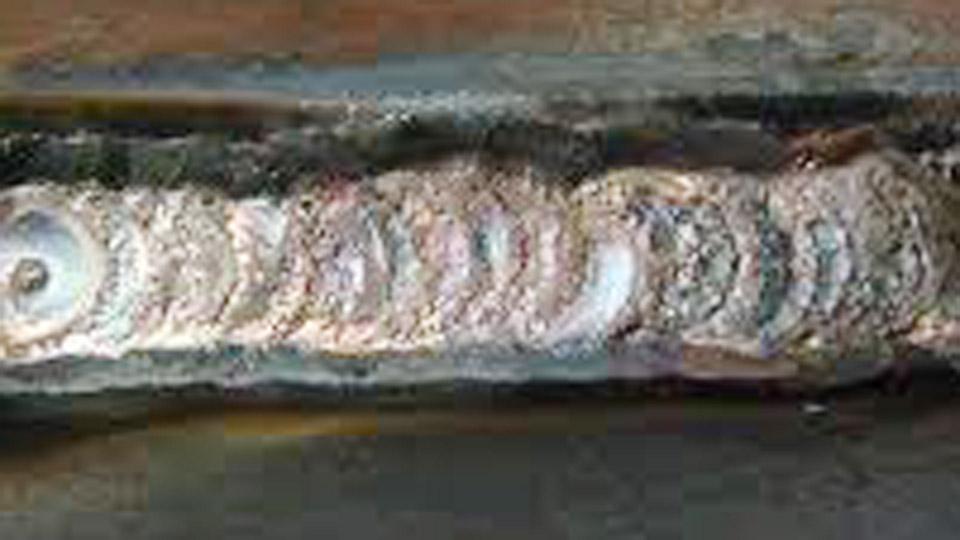
Image by performanceracing
What Causes Grey Discoloration in Stainless TIG Welds?
Grey or dull welds on stainless steel almost always come down to oxidation. Stainless relies on a thin chromium oxide layer for its corrosion-fighting power.
When the weld pool and surrounding heat-affected zone (HAZ) get too hot and lose proper shielding from the atmosphere, oxygen sneaks in and forms a thicker, less protective oxide scale that looks grey, dull, or even black.
This isn’t the same as the pretty straw, gold, or blue heat tint colors you sometimes see. Those indicate light oxidation. Grey usually means heavier exposure—either from excessive heat input or inadequate gas coverage letting the metal stay hot too long after the torch moves on.
In real shop terms, this matters because discolored welds can fail inspection, corrode faster in service, or require extra cleaning and rework that eats into your time and material costs. On thin sheet, it can also mean warping or burn-through.
Primary Reasons Your Stainless TIG Welds Turn Grey
Insufficient Shielding Gas Coverage
This tops the list for most welders I talk to. Argon (or sometimes argon/helium mixes) must fully protect the molten pool, the tungsten, and the hot metal behind the puddle until it cools below the oxidation temperature—roughly 800–1000°F for stainless.
Common triggers:
- Gas flow too low for your cup size or torch setup.
- No gas lens or a damaged/dirty one.
- Torch angle too steep, pulling air into the shield.
- Leaks in hoses, loose fittings, or empty post-flow.
- Drafts in the shop blowing away your argon.
Practical fix: Start with 15-20 CFH for a #7 or #8 cup, and go up to 20-25 CFH with larger cups or gas lenses. Use a gas lens—it diffuses the flow for better coverage with less turbulence. Keep post-flow running at least 10-15 seconds, or longer on thicker material. Rule of thumb I use: post-flow seconds roughly equal to your amps divided by 10.
Excessive Heat Input
Stainless holds heat longer than carbon steel and conducts it differently. If you’re running too many amps, traveling too slow, or dwelling in one spot, the metal stays above critical temperature after the gas envelope leaves. Result: grey oxide forms.
Beginners often run amps too low, which forces slower travel and more overall heat. Pros sometimes push too hard on production and sacrifice travel speed.
How to control it:
- Match amperage to thickness. For 304 or 316 stainless:
- 0.040–1/16″ (1–1.6mm): 40–70 amps
- 1/8″ (3.2mm): 80–120 amps
- 1/4″ (6.4mm): 150–220 amps (with filler and good technique)
These are ballpark starting points on DCEN with 100% argon. Fine-tune with your foot pedal or balance control.
Use pulse if your machine has it—many modern US inverters like Miller or Lincoln models make this easy. A 30-50% duty cycle with background amps around 30-50% of peak helps manage heat on thin stuff.
Poor Material and Joint Preparation
Stainless is picky. Oil, grease, fingerprints, oxides, or even shop dust will contaminate the puddle and promote discoloration.
Shop-tested prep routine:
- Wipe down with acetone or a dedicated stainless cleaner right before welding.
- Use a dedicated stainless wire brush or flap disc—never one used on carbon steel.
- Grind or file edges to bright metal, especially on repairs.
- Clean filler rod with a cloth dampened in acetone. Keep rods in a clean drawer.
Cross-contamination from carbon steel tools or grinding wheels is a silent killer I’ve seen ruin otherwise good welds.
Tungsten and Technique Issues
Contaminated tungsten (from touching the puddle or filler) introduces defects that show as grey spots or irregular beads. Too long an arc length spreads heat and pulls in air. Wrong torch angle (more than 10-15° push) disrupts shielding.
Pro tips:
- Grind your tungsten to a point with longitudinal lines (not circumferential). Use 2% thoriated, lanthanated, or ceriated—2.4mm for most work up to 150 amps.
- Maintain a tight arc—about 1/16″ or less.
- Add filler rod early and often to absorb heat instead of letting the base metal take it all.
- Keep the filler inside the gas envelope at all times.
Step-by-Step: How to Get Clean, Silver Stainless TIG Welds
Here’s the exact process I walk trainees through:
Setup:
- Machine on DCEN, high frequency start.
- Pure argon, tested regulator and lines.
- Gas lens with appropriate cup (#8–#12 for most jobs).
- Material cleaned and clamped with minimal heat sink if needed.
Welding:
- Tack with low amps and good gas.
- Set amperage slightly high and use the pedal to feather.
- Strike the arc, establish a small puddle.
- Add filler with a quick dip motion—don’t melt the rod in the arc.
- Travel at a speed that keeps the puddle controlled and the bead width about 1.5–2 times the material thickness.
- End with a crater fill and hold the torch in place during post-flow.
On production or critical parts, consider back-purging with argon on the root side. It makes a huge difference on pipe or tanks.
Filler Metal and Material Compatibility
Stick with ER308L or ER316L for most 304/316 work. The “L” grade has lower carbon to reduce sensitization and improve corrosion resistance. Match filler diameter to job—0.035″ or 1/16″ (1.6mm) for thin material, 3/32″ for thicker.
Avoid mixing grades unless you know the chemistry. 308 on 316 can work but check specs for food or corrosive service.
Common Mistakes and How to Avoid Them
- Running cold then chasing the puddle: Leads to more total heat. Start with adequate amps.
- Ignoring drafts: Even a small fan or open door can ruin shielding.
- Short post-flow: Stainless cools slowly—give it time.
- Over-grinding after welding: Removes good material and can embed contaminants. Learn to weld clean instead.
- Using the wrong cup size: Small cup on a wide bead = grey edges.
I’ve seen experienced welders chase settings for hours when the real issue was a dirty filler rod or a tiny leak in the torch hose.
Comparison: Good vs. Problem Welds and Settings
| Material Thickness | Recommended Amps (DCEN) | Gas Flow (CFH) | Cup Size | Expected Look if Done Right | Common Grey Cause |
|---|---|---|---|---|---|
| 0.040–1/16″ | 40–70 | 15–20 | #7–#8 | Bright silver with light tint | Low flow, slow travel |
| 1/8″ | 80–130 | 18–25 | #8–#10 | Silver/gold bead | Excessive heat, no lens |
| 1/4″ | 150–220 | 20–30 | #10–#12 | Controlled silver with filler | Poor prep, drafts |
Adjust based on joint type, position, and your machine. These are practical starting points from US shop floors.
Safety and Shop Practices for Stainless TIG
Wear proper PPE—stainless fumes contain chromium and nickel compounds that aren’t friendly to your lungs. Good ventilation or fume extraction is non-negotiable. Keep your workspace clean to avoid contamination. Ground properly to prevent arc wander that can mess with heat control.
For field repairs, portable purges or trailing shields can save the day when full back-purging isn’t possible.
Advanced Techniques for Consistent Results
Once basics are solid, experiment with pulse TIG. It reduces average heat input while maintaining penetration. Sync pulse with filler dips for beautiful stacked dimes on pipe.
On thicker sections, multiple passes with interpass cleaning and temperature control (keep interpass below 350°F) prevent cumulative heat buildup and grey scale.
For autogenous welds (no filler) on thin sheet, precision is even more critical—any variation shows immediately.
Real-World Applications and Examples
In food processing or brewery work, grey welds can harbor bacteria and fail passivation tests. I’ve redone more than one tank because the customer rejected the color. In automotive exhaust or custom fab, customers pay premium for that mirror finish look.
On a recent repair job welding 316 sheet for a marine railing, switching to a larger cup, gas lens, and dropping travel speed slightly while raising amps just enough gave perfect silver beads with minimal cleanup.
Taking It Further: Cleaning and Post-Weld Treatment
Even good welds sometimes show light tint. For critical jobs, pickle and passivate with dedicated stainless cleaners to restore the protective layer. Mechanical methods like stainless wire brushing or glass bead blasting work too, but chemical is often best for crevices.
Avoid aggressive grinding that work-hardens the surface.
Final Reflection
Getting rid of grey stainless TIG welds comes down to balancing heat, shielding, cleanliness, and speed. Master these and your welds will not only look better but perform better in the real world—whether you’re building a one-off project in your garage or running production in a busy fab shop.
Weld hotter and faster with excellent gas coverage. Stainless rewards decisive, confident technique more than babying the puddle.
Practice on scrap until the motion feels natural, and you’ll stop asking why your welds are grey and start showing off those shiny ones instead. Keep your torch clean, your gas flowing, and your prep obsessive. Your stainless will thank you.