I remember the first time I stood in front of a TIG welder, trying to make sense of all the knobs, wires, and gas lines. My goal was simple—weld a piece of stainless steel. But what wasn’t simple was figuring out the right shielding gas to use. If you’re in the same spot, don’t worry—I’ve been there. Let me walk you through what I’ve learned about the gases used for TIG welding stainless steel and how to choose the best one for your job.

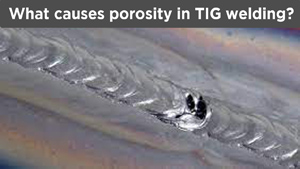
Photo by americantorchtip
If you’re new to TIG welding or just looking to sharpen your skills, knowing your shielding gas can make or break your weld quality. Let’s take a deep dive into the options and what works best for stainless steel.
Why Shielding Gas Matters in TIG Welding
Before we get into the specifics of the gas types, let’s talk about why shielding gas is even necessary. In TIG welding, the weld pool and the tungsten electrode need protection from the air around us—specifically oxygen, nitrogen, and hydrogen. These elements can cause problems like porosity, oxidation, and weak welds if they sneak into your weld.
The shielding gas acts like a bodyguard. It shields the weld area from contamination, helping to produce strong, clean, and high-quality welds. Without the right gas, even the best welder can’t produce good results.
The Best Shielding Gas for TIG Welding Stainless Steel
For TIG welding stainless steel, the most commonly used and recommended shielding gas is pure Argon (100% Argon). It’s the go-to choice for most applications because of its clean, stable arc and ability to provide smooth welds without introducing impurities.
Argon is inert, meaning it doesn’t react with the molten metal. This helps prevent oxidation and ensures a clean, shiny finish on your stainless steel workpiece.
Alternative Gases and Gas Mixtures
Although 100% Argon is widely used, there are other gases and mixtures that can be used in specific cases, depending on the job requirements. Here’s a breakdown of the most commonly used gases and what they’re good for:
| Gas Type | Composition | Common Use Case | Advantages | Disadvantages |
|---|---|---|---|---|
| Argon | 100% Argon | Most stainless steel TIG welding | Clean arc, easy to use, great finish | Limited penetration on thicker metals |
| Argon + Helium | 75-90% Argon + 10-25% Helium | Thicker stainless steel, deeper penetration needed | Hotter arc, better fusion on thick pieces | More expensive, harder to control for beginners |
| Argon + Hydrogen | 98% Argon + 2% Hydrogen | Aesthetic welds on thin stainless sheets | Shiny finish, reduced oxidation | Not for thick metals, can cause porosity if misused |
| Argon + Nitrogen | 98% Argon + 2% Nitrogen | Duplex stainless steels | Improves corrosion resistance | Limited use, not recommended for general applications |
As you can see, each gas or mixture has its place depending on what kind of job you’re tackling.
Why I Use Pure Argon for Most Jobs
I use pure Argon about 90% of the time. It’s consistent, reliable, and perfect for most TIG welding tasks on stainless steel. If I’m working on handrails, kitchen equipment, or automotive exhausts, pure Argon gives me a stable arc, clean welds, and almost no cleanup afterward.
It’s also the easiest gas to start with if you’re just beginning your TIG welding journey. You’ll be able to focus more on your technique instead of worrying about the gas mixture.
When to Use Argon-Helium Mixtures
There were times when I needed to weld thicker stainless steel—like 1/4 inch or more. That’s when an Argon-Helium mixture came into play. Helium makes the arc hotter, which helps with penetration and speeds up the process. If you’re working on industrial equipment or heavy-duty repairs, this blend might be worth trying.
Just a heads up, though: helium isn’t cheap. It can significantly raise your gas costs, and it’s a bit more temperamental to control.
Trying Argon-Hydrogen for Aesthetic Welds
If you’re aiming for that smooth, bright, mirror-like finish on thin stainless steel—like something you’d see in food processing or pharmaceutical industries—then a tiny bit of hydrogen in your mix can help. I’ve used a 2% hydrogen blend a few times, and it did give a very clean finish.
This mix is tricky. Too much hydrogen can lead to cracking or porosity. It’s not beginner-friendly, and you need tight control over your weld parameters.
Nitrogen—A Niche Option
I rarely use nitrogen, but it has a place when welding duplex stainless steels. In those cases, a little nitrogen helps maintain the right chemical balance and improves corrosion resistance. This isn’t something you’ll need for everyday welding, but it’s good to know in case you ever work with specialty metals.
Gas Purity Is Just as Important as Type
No matter which gas you use, always make sure it’s high purity—ideally 99.99%. Impurities in the gas can lead to defects in your weld. I once bought a cheaper bottle of Argon from a supplier I didn’t know well, and the results were terrible. Dirty welds, inconsistent arc—it was frustrating.
Since then, I stick with trusted gas suppliers and always verify the gas purity before I start a big job. It makes a difference, trust me.
Flow Rate Tips for TIG Welding Stainless Steel
Even with the right gas, you still need to set the right flow rate. For most TIG welding jobs on stainless steel, I aim for a flow rate between 15–20 CFH (cubic feet per hour). That’s usually enough to shield the weld properly without wasting gas.
If you’re welding outside or in a drafty environment, you may need to bump that up a little. But don’t go too high. Too much gas can cause turbulence and suck in air—exactly what you’re trying to avoid.
How to Set Up Your TIG Welder for Stainless Steel
Along with your gas choice, setting up your TIG welder correctly is key. Here’s what I normally use when welding stainless:
- Tungsten Electrode: 2% thoriated or ceriated, 1/16″ or 3/32″
- Polarity: DCEN (Direct Current Electrode Negative)
- Filler Rod: ER308L for 304 stainless
- Shielding Gas: 100% Argon, 15–20 CFH
- Cup Size: #7 or #8 with a gas lens for better shielding
This setup has given me consistently great results.
How Gas Affects the Weld Appearance and Strength
One of the most noticeable things about using the right shielding gas is the look of the weld. With pure Argon, the weld bead is smooth and shiny, with a light gold or silver color—depending on the heat input. When I accidentally used a contaminated gas once, the weld turned gray and dull, almost like soot. That’s a dead giveaway something went wrong.
More importantly, the wrong gas can weaken your weld. Porosity, cracks, and oxidation can compromise the joint, especially in applications where strength and appearance matter—like pressure vessels or sanitary tubing.
Mistakes I’ve Seen (and Made) with TIG Shielding Gas
Let me share a few common pitfalls you’ll want to avoid:
- Using the wrong gas mixture: Someone once tried using a MIG mix (75% Argon/25% CO2) for TIG welding. It led to instant contamination.
- Too low or high flow rate: Insufficient shielding or turbulent gas flow can mess up even perfect technique.
- Leaks in the gas hose: I’ve seen tiny pinholes in hoses cause poor arc stability and porosity.
- Dirty base metal: Even with the best gas, dirty stainless steel will still give you a bad weld.
Cost Comparison of Different Shielding Gases
Here’s a rough idea of what you might pay in the USA:
| Gas Type | Typical Price per Cylinder (80 CF) |
|---|---|
| 100% Argon | $40–$60 |
| Argon-Helium Mix | $80–$120 |
| Argon-Hydrogen Mix | $70–$100 |
| Argon-Nitrogen Mix | $60–$90 |
Prices vary by region and supplier, but pure Argon remains the most cost-effective option for most stainless steel TIG welding jobs.
Should You Use Pre- and Post-Flow Settings?
Absolutely. I always use about 0.5 to 1 second of pre-flow to ensure the weld starts with proper gas coverage. For post-flow, I usually set 4 to 6 seconds. This protects the tungsten as it cools and prevents contamination.
Is It Worth Using a Gas Lens?
Yes. If you’re serious about TIG welding stainless steel, a gas lens is one of the best upgrades you can make. It improves gas coverage, especially around corners and edges. Your tungsten stays clean longer, and your welds come out smoother.
Conclusion
So, what gas is used for TIG welding stainless steel? After years of hands-on experience, I can confidently say that 100% Argon is the best all-around choice. It’s simple, affordable, and gives clean, consistent results. Other mixtures like Argon-Helium, Argon-Hydrogen, and Argon-Nitrogen have their place—but only when the job truly calls for them.
If you’re just starting out, stick with pure Argon. Focus on your technique, keep your welds clean, and you’ll be amazed at what you can accomplish. Choosing the right gas might seem small, but it makes a huge difference in your weld quality. And in the world of stainless steel, every detail counts.
FAQs
What is the best gas for TIG welding stainless steel?
Pure Argon is the best and most commonly used gas for TIG welding stainless steel.
Can I use CO2 for TIG welding stainless steel?
No, CO2 is reactive and not suitable for TIG welding. It will contaminate the weld and cause defects.
Why is helium added to TIG shielding gas?
Helium makes the arc hotter, which helps with penetration in thicker materials.
Is Argon-Hydrogen safe for TIG welding stainless steel?
Yes, in small amounts (like 2% hydrogen), it’s safe and can improve weld appearance. But it requires careful control.
What happens if I use the wrong shielding gas?
You may get porosity, oxidation, weak welds, or even tungsten contamination. Always double-check your gas type.
Do I need a gas lens for welding stainless steel?
It’s not required, but it helps a lot. A gas lens improves gas flow and protects the tungsten more effectively.
What flow rate should I use for TIG welding stainless steel?
Typically, 15–20 CFH is ideal for most stainless steel TIG welding tasks.