
Porosity in TIG (Tungsten Inert Gas) welding is a common issue that can significantly impact the strength, quality, and appearance of a weld. It refers to small voids or holes that form in the weld bead, often due to trapped gases. These pores can compromise the integrity of the weld and lead to problems such as cracking, reduced strength, and failure of the welded structure.
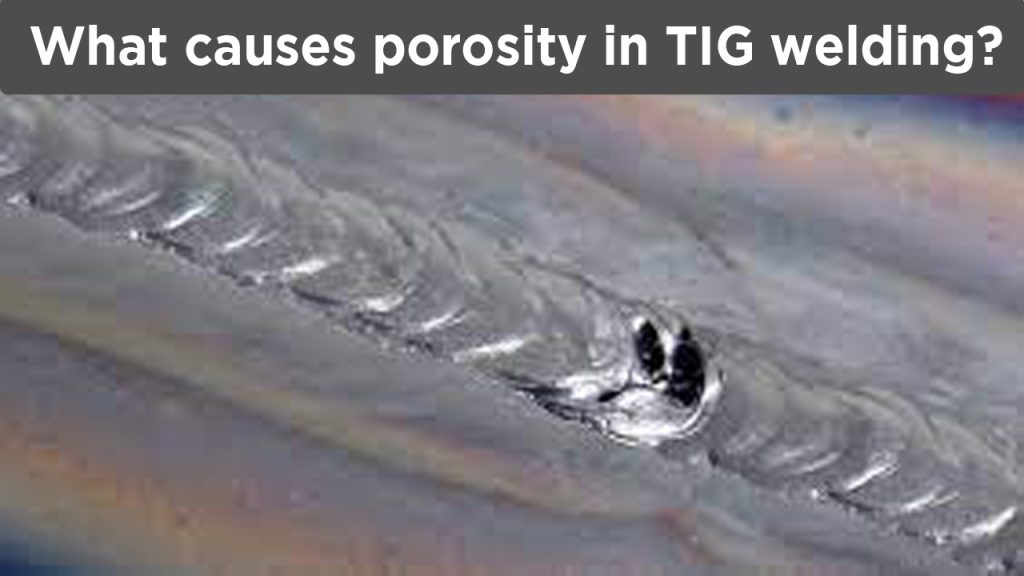
We will explore what porosity in TIG welding is, the various causes behind it, and how to prevent it from occurring. Understanding the root causes of porosity is essential for achieving high-quality welds that meet both safety and performance standards.
What is Porosity in TIG Welding?
Porosity in TIG welding occurs when gas gets trapped in the molten weld pool and becomes entrapped as the metal solidifies. These gas pockets form small holes or cavities within the weld, which can vary in size and distribution.
While some pores may be microscopic, others can be visible to the naked eye, depending on the severity of the porosity.
Porosity can take several forms:
- Surface Porosity: Visible holes or pores on the surface of the weld.
- Subsurface Porosity: Pores located just below the surface, often invisible without X-ray or ultrasonic testing.
- Cluster Porosity: A concentration of small pores within a specific area of the weld.
The presence of porosity not only weakens the weld but also reduces its visual appeal, which can be a critical factor in applications where aesthetics matter, such as in the automotive and aerospace industries.
Causes of Porosity in TIG Welding
Several factors can contribute to porosity in TIG welding. Identifying and addressing these causes is crucial to producing clean, strong, and reliable welds. Below are the most common causes of porosity in TIG welding.
Contaminated Base Metal
One of the most frequent causes of porosity in TIG welding is contamination on the surface of the base metal. Contaminants such as dirt, oil, grease, rust, paint, and moisture can interfere with the welding process by releasing gases when heated, which then get trapped in the weld.
How Contamination Affects the Weld
When the base metal is not properly cleaned before welding, contaminants burn off during the welding process, releasing gases such as hydrogen and oxygen. These gases become trapped in the weld pool, leading to the formation of porosity as the metal cools and solidifies.
Preventing Contaminated Base Metal
To prevent porosity caused by contaminated base metal, it is essential to thoroughly clean the workpiece before starting the welding process.
This includes removing any dirt, grease, oil, rust, or other debris using appropriate cleaning methods such as grinding, brushing, or using a degreaser. Proper cleaning is especially important when welding materials like aluminum, which are prone to oxidation.
Incorrect Gas Shielding
In TIG welding, shielding gas plays a critical role in protecting the weld pool from atmospheric contamination. Argon is the most commonly used shielding gas for TIG welding, though helium and mixed gases are sometimes used as well.
Insufficient or improper gas shielding can expose the weld to atmospheric gases like nitrogen, oxygen, and hydrogen, which can cause porosity.
How Shielding Gas Affects Porosity
If the shielding gas flow rate is too low or inconsistent, atmospheric gases can enter the weld pool, leading to oxidation and the formation of gas pockets.
On the other hand, too much shielding gas flow can create turbulence, drawing in atmospheric air and causing porosity.
Preventing Gas Shielding Issues
To prevent porosity related to shielding gas, it’s important to ensure the following:
- The gas flow rate is set correctly according to the welding application and environment.
- There are no leaks or blockages in the gas supply system, including hoses and fittings.
- The shielding gas is pure and free from contaminants.
- The torch angle and positioning are correct to provide adequate gas coverage over the weld pool.
Moisture in the Welding Environment
Moisture in the form of water vapor, whether from humid air, condensation, or damp materials, can introduce hydrogen into the weld pool. Hydrogen is a notorious cause of porosity, particularly when welding certain metals such as aluminum, stainless steel, and carbon steel.
How Moisture Leads to Porosity
When moisture comes into contact with the welding arc or base metal, it vaporizes and breaks down into its constituent elements, including hydrogen. This hydrogen can become trapped in the molten metal and form gas pockets as the weld solidifies, resulting in porosity.
Preventing Moisture Issues
To minimize the risk of porosity caused by moisture, take the following precautions:
- Store materials in a dry, controlled environment to prevent condensation.
- Ensure that the welding area is free from excessive humidity.
- Preheat the base metal if necessary to remove any absorbed moisture.
- Use dry, uncontaminated filler rods and tungsten electrodes.
Poor Welding Technique
Operator error or poor welding technique can also contribute to the formation of porosity in TIG welds. Factors such as improper torch angle, incorrect travel speed, and inadequate control of the arc can all impact the quality of the weld and lead to gas entrapment.
How Welding Technique Affects Porosity
Improper torch angles can reduce the effectiveness of the shielding gas, allowing atmospheric gases to enter the weld pool.
Moving the torch too quickly or too slowly can lead to incomplete fusion, trapping gases inside the weld. Inconsistent heat input or excessive heat can also cause turbulence in the weld pool, resulting in porosity.
Improving Welding Technique
To avoid porosity caused by poor technique, it’s important to:
- Maintain a steady and appropriate torch angle, typically between 10 to 15 degrees.
- Ensure a consistent travel speed that allows for proper fusion without overheating the material.
- Use the appropriate amperage for the material thickness and welding position.
- Keep the arc length consistent to ensure even heating of the weld pool.
Contaminated Filler Material
The quality of the filler material is just as important as the base metal in preventing porosity. Contaminated or low-quality filler rods can introduce impurities into the weld, causing gas pockets to form.
How Filler Material Affects the Weld
If the filler rod is dirty, oily, or oxidized, contaminants can burn off during welding and release gases that become trapped in the weld pool.
Using a filler rod that is not compatible with the base metal can result in chemical reactions that produce gas, leading to porosity.
Ensuring Filler Material Quality
To prevent porosity caused by filler material, be sure to:
- Store filler rods in a clean, dry environment to avoid contamination.
- Wipe down filler rods before use to remove any surface contaminants.
- Use filler rods that are compatible with the base metal being welded.
- Inspect filler rods for oxidation, rust, or other signs of contamination before use.
Excessive Heat Input
While heat is necessary to melt the base metal and filler material during TIG welding, excessive heat can cause problems. Overheating the weld pool can lead to excessive evaporation of elements, which can create gas pockets as the material cools and solidifies.
How Heat Input Affects Porosity
Excessive heat can cause the weld pool to boil, which may introduce gas bubbles into the molten metal. These bubbles often become trapped as the material cools, forming porosity. Overheating can cause increased oxidation of the weld pool, contributing to the formation of gas pockets.
Controlling Heat Input
To prevent porosity caused by excessive heat input, it’s important to:
- Use the correct amperage for the material being welded.
- Adjust the heat input based on the thickness and type of material.
- Avoid lingering in one area for too long, which can cause overheating.
- Utilize pulse welding techniques to control heat input and minimize the risk of porosity.
Drafts or Wind in the Welding Area
External environmental factors, such as drafts or wind, can also cause porosity in TIG welding. Even small amounts of air movement can disrupt the shielding gas and allow atmospheric gases to enter the weld pool.
How Environmental Factors Affect Porosity
When welding in outdoor or exposed environments, drafts can blow away the shielding gas, leaving the weld pool unprotected. As a result, gases like oxygen and nitrogen can enter the weld pool and cause porosity.
Minimizing Environmental Impact
To reduce the risk of porosity caused by environmental factors, consider the following precautions:
- Weld in a controlled environment whenever possible, such as an enclosed shop or booth.
- Use windbreaks or shields when welding outdoors or in areas with drafts.
- Increase the gas flow rate slightly when welding in windy conditions to ensure adequate coverage of the weld pool.
Causes of Porosity in TIG Welding
| Cause of Porosity | How It Affects the Weld | Prevention Methods |
|---|---|---|
| Contaminated Base Metal | Releases gases into the weld pool, causing pores | Clean base metal thoroughly before welding |
| Incorrect Gas Shielding | Allows atmospheric gases to enter the weld pool | Set correct gas flow rate, ensure proper coverage |
| Moisture | Introduces hydrogen, leading to gas entrapment | Store materials in a dry environment, preheat if necessary |
| Poor Welding Technique | Causes incomplete fusion and gas entrapment | Maintain proper torch angle and travel speed |
| Contaminated Filler Material | Introduces impurities, causing gas release | Use clean, compatible filler rods |
| Excessive Heat Input | Causes boiling and gas entrapment in the weld | Control amperage and heat input |
| Drafts or Wind | Disrupts shielding gas, allowing air to enter | Weld in a controlled environment, use windbreaks |
Conclusion
Porosity in TIG welding is a common but preventable issue that can compromise the quality, strength, and appearance of a weld.
By understanding the various causes of porosity—such as contaminated materials, improper gas shielding, moisture, poor technique, and excessive heat input—welders can take proactive steps to minimize the risk of porosity.
Ensuring that the work environment is controlled, materials are clean, and welding techniques are correct is key to achieving high-quality, porosity-free welds.


