When it comes to welding, there are countless techniques, each designed for specific applications and materials. Among the most commonly discussed are spot welding and TIG welding. I’ve explored both methods in various settings, and I can confidently say that each has its strengths and weaknesses.

Image by thepipingmart
If you’re deciding which method is better for your project or simply want to understand these techniques, you’ve come to the right place. Let’s break down what makes spot welding and TIG welding unique, their advantages, disadvantages, and how they compare to each other.
What is Spot Welding?
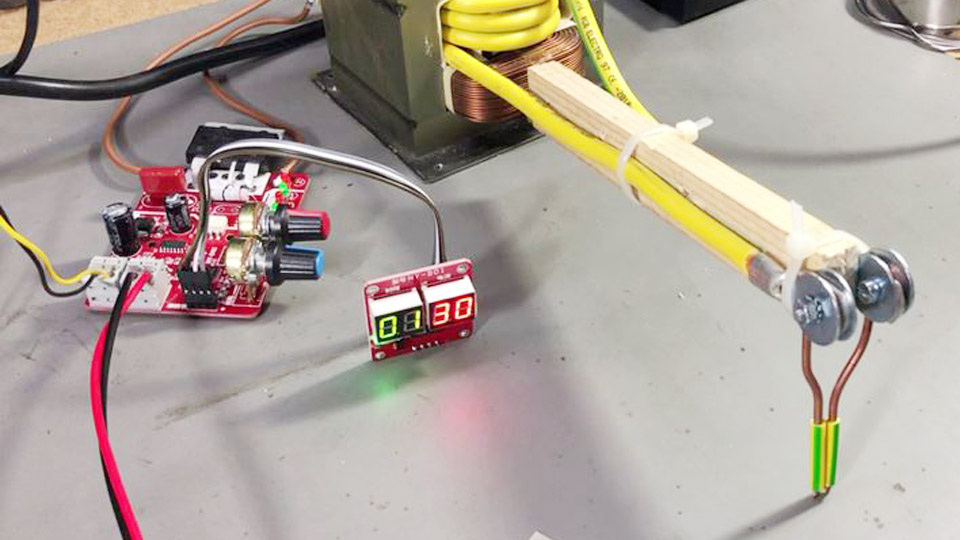
Spot welding is one of the simplest and quickest welding techniques. It works by using electrical resistance to create heat, which melts and fuses two pieces of metal together at specific “spots.” This technique is primarily used for thin sheets of metal, often in mass production settings like automotive manufacturing.
The process involves clamping the metal sheets between two electrodes, which deliver a high current over a short period. The heat generated at the contact point is enough to create a strong weld.
What is TIG Welding?
TIG welding, short for Tungsten Inert Gas welding, is a much more precise and versatile technique. It uses a non-consumable tungsten electrode to produce the weld. A shielding gas, typically argon or helium, protects the weld from contamination, ensuring a clean and strong bond.
Unlike spot welding, TIG welding can be used for a wide variety of materials and thicknesses, making it popular in industries like aerospace, automotive repair, and even artistic metalwork. It requires more skill and time, but the results are often worth it.
How Spot Welding Works
Spot welding relies on the principle of electrical resistance. When a high current passes through the metal sheets at the point of contact, the resistance generates heat. This heat melts the metal, and as it cools, the pieces fuse together.
Key features of the process:
- Fast and efficient: Each weld is completed in seconds.
- Automated capability: Spot welding machines can easily be automated, making them ideal for assembly lines.
- Limited to thin metals: It works best with materials like mild steel and stainless steel, usually less than 3mm thick.
How TIG Welding Works
TIG welding, on the other hand, uses an electric arc between the tungsten electrode and the workpiece to create heat. The welder has precise control over the process, often using a foot pedal to adjust the current.
The use of shielding gas ensures the weld is free from oxidation, resulting in a high-quality joint. TIG welding is slower than spot welding but offers unmatched precision and versatility.
Advantages of Spot Welding
Spot welding has its place in the welding world for good reason. Here are some of its main benefits:
- Speed: Spot welding is incredibly fast, making it perfect for large-scale production.
- Cost-Effective: Since it doesn’t require filler materials or shielding gas, it’s an economical choice.
- Automation-Friendly: Spot welding machines can be easily automated for consistent results.
- Minimal Training Required: The process is straightforward and doesn’t require extensive skill.
Advantages of TIG Welding
TIG welding, though slower, shines in other areas:
- High Precision: TIG welding allows for intricate and detailed work, ideal for delicate or artistic projects.
- Versatility: It works with a wide range of materials, including aluminum, titanium, and even exotic metals.
- Superior Weld Quality: The use of shielding gas ensures clean and strong welds.
- Control: Welders can adjust the heat and add filler material as needed, providing complete control over the process.
Disadvantages of Spot Welding
As convenient as spot welding is, it does have limitations:
- Material Restrictions: Spot welding is mostly limited to thin sheets of metal.
- Weak Welds on Thick Materials: It doesn’t create strong joints for thicker metals.
- Visible Spots: The welds are often visible, which may not be aesthetically pleasing.
Disadvantages of TIG Welding
TIG welding isn’t without its challenges:
- Time-Consuming: TIG welding is much slower than spot welding.
- High Skill Requirement: It takes significant practice to master TIG welding.
- Expensive: The equipment and shielding gas add to the cost.
- Not Ideal for Mass Production: The slow pace makes it unsuitable for high-volume manufacturing.
Comparing Spot Welding and TIG Welding
To help you see the differences clearly, here’s a table comparing the two:
| Feature | Spot Welding | TIG Welding |
|---|---|---|
| Speed | Very fast | Slow |
| Precision | Low | High |
| Material Thickness | Thin sheets only | Thin to thick materials |
| Equipment Cost | Affordable | Expensive |
| Skill Level Required | Minimal | High |
| Weld Appearance | Functional but visible spots | Clean and aesthetic |
| Automation | Easily automated | Manual or semi-automated |
Applications of Spot Welding
Spot welding is most commonly used in industries where speed and efficiency are crucial. These include:
- Automotive Manufacturing: Welding car body panels and other thin components.
- Appliance Assembly: Joining metal parts in refrigerators, washing machines, and more.
- Electronics: Connecting small components in battery packs and electrical enclosures.
Applications of TIG Welding
TIG welding’s versatility makes it ideal for:
- Aerospace: Welding lightweight but strong materials like aluminum and titanium.
- Automotive Repair: Fixing exhaust systems and other parts.
- Artistic Metalwork: Creating sculptures and intricate designs.
- Medical Devices: Joining delicate and precise components.
How to Choose Between Spot Welding and TIG Welding
The choice between spot welding and TIG welding depends on your specific needs:
- Choose Spot Welding if:
- You’re working with thin sheet metal.
- Speed and cost are priorities.
- Aesthetic welds aren’t necessary.
- The project involves repetitive, high-volume welding.
- Choose TIG Welding if:
- You need precise, high-quality welds.
- The material is thick or exotic.
- The welds will be visible and need to look clean.
- You’re working on a low-volume, high-skill project.
Conclusion
Spot welding and TIG welding each bring unique strengths to the table. Spot welding is all about speed and efficiency, making it the go-to choice for industries like automotive manufacturing.
TIG welding, on the other hand, is a craftsperson’s tool, offering unparalleled precision and versatility for projects that demand quality over quantity.
Having explored both methods extensively, I’ve found that the right choice always depends on the specific application. If you’re tackling a high-volume production line, spot welding is hard to beat.
But if you’re working on something intricate or artistic, TIG welding is undoubtedly worth the time and effort.
I hope this article helps you understand these two methods better and gives you the confidence to choose the one that’s right for your project.
FAQs
Can TIG welding be automated like spot welding?
TIG welding can be semi-automated, but it’s not as easily automated as spot welding due to its complexity.
Which welding method is more durable?
TIG welding generally produces stronger and more durable welds, especially for thicker or exotic materials.
Is spot welding suitable for aluminum?
Spot welding can work with aluminum, but it’s more challenging due to aluminum’s high thermal conductivity.
Can beginners start with TIG welding?
TIG welding requires a higher skill level, so beginners may find it challenging without proper training.
Why are spot welds visible?
Spot welds are visible because they are localized and often leave marks at the contact points of the electrodes.