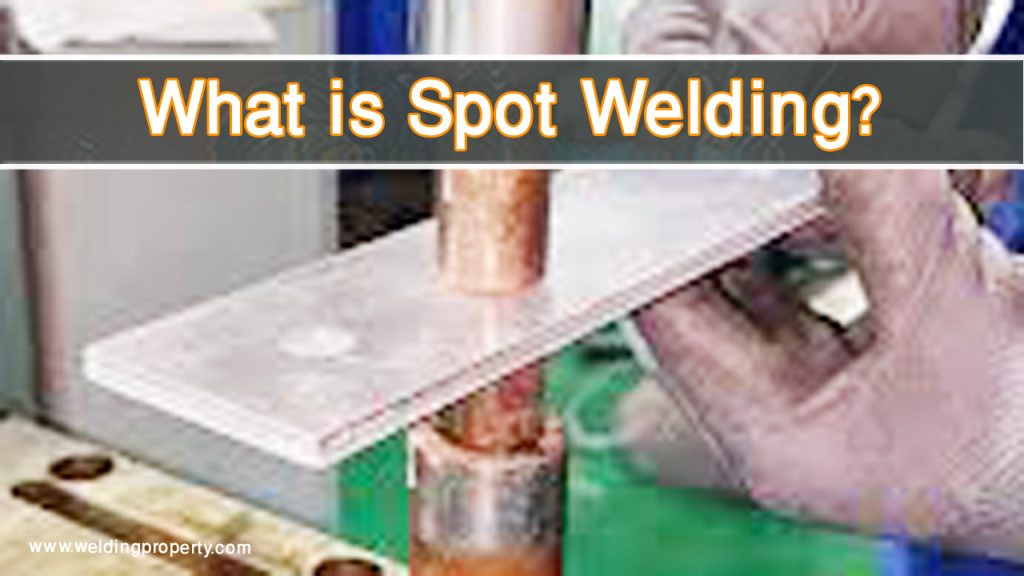
Have you ever looked at your arc welder and wondered if you could repurpose it for other types of welding? That’s exactly what I thought one day while working on a project that required spot welding. Instead of buying a new spot welder, I decided to explore whether my arc welder could do the job. And let me tell you, with a little creativity and some basic tools, it’s absolutely possible to make a spot welder from an arc welder.
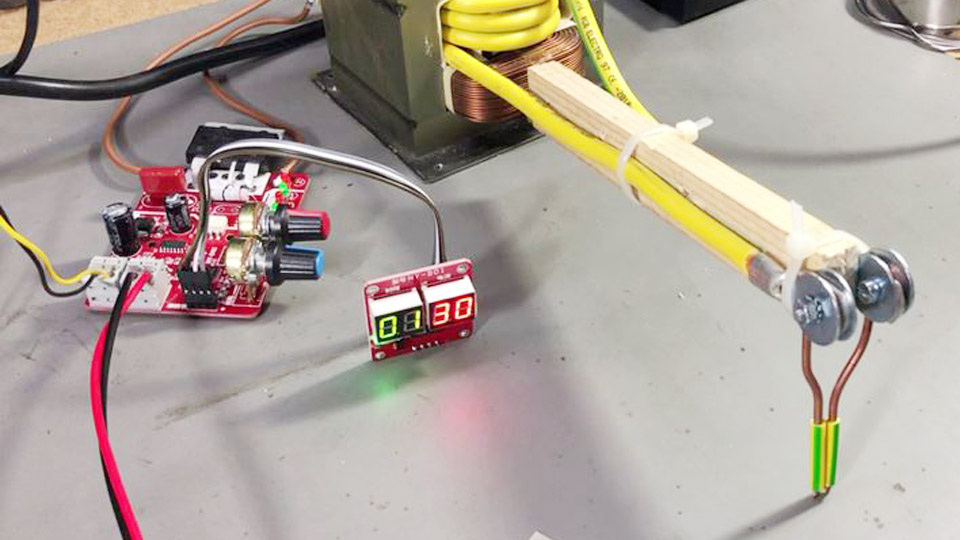
Image by instructables
I’ll walk you through the entire process. I’ll also explain the key differences between spot welding and arc welding, the tools and materials you’ll need, and some practical tips to make the conversion successful. If you’re someone who loves DIY projects or wants to save money on equipment, this guide is for you.
Basics of Spot Welding and Arc Welding
Before jumping into the conversion process, it’s important to understand what makes these two welding techniques different.
Spot Welding
Spot welding is a process that uses pressure and an electrical current to fuse two thin sheets of metal together at specific points. It’s fast, efficient, and commonly used for sheet metals in industries like automotive manufacturing.
Arc Welding
Arc welding, on the other hand, uses an electric arc to generate heat that melts the base material and a consumable electrode. It’s versatile and suitable for a wide range of applications, especially for thicker metals.
The key difference is that spot welding focuses on fusing metals at discrete points using pressure, while arc welding involves continuous melting of metals along a joint.
Why Convert an Arc Welder into a Spot Welder?
There are a few good reasons to convert your arc welder into a spot welder:
- Cost Savings: A dedicated spot welder can be expensive. Converting an existing arc welder is a budget-friendly option.
- Versatility: You can switch between arc welding and spot welding without needing multiple machines.
- DIY Flexibility: If you enjoy tinkering with tools and making your own equipment, this project can be a fun challenge.
Tools and Materials You’ll Need
Here’s a list of what you’ll need to convert an arc welder into a spot welder:
- Arc Welder: This is the base unit you’ll modify.
- Copper Electrodes: Copper is highly conductive and essential for spot welding.
- Electrode Holder: You’ll need a way to secure the copper electrodes.
- Insulated Wires: These will connect the electrodes to the arc welder.
- Metal Clamps: Useful for holding the workpieces in place during welding.
- Heat-Resistant Insulation: To protect the wires and prevent short circuits.
- Basic Tools: Pliers, a drill, a screwdriver, and wire cutters.
Steps to Convert an Arc Welder into a Spot Welder
The process of converting an arc welder into a spot welder involves creating a setup that mimics the functionality of a dedicated spot welder. Here’s how you can do it:
Step 1: Modify the Electrode Holder
The first step is to replace the arc welder’s standard electrode holder with a setup designed for spot welding.
- Remove the existing electrode holder from the arc welder.
- Attach copper electrodes to the new holder. These electrodes will act as the contact points for spot welding.
Step 2: Adjust the Electrical Circuit
Spot welding requires lower voltage and higher current compared to arc welding.
- Check the arc welder’s settings and reduce the voltage output if possible.
- Use insulated wires to connect the copper electrodes to the welder. Ensure that the wires are thick enough to handle high current without overheating.
Step 3: Install Heat-Resistant Insulation
To ensure safety, add heat-resistant insulation around the wires and any exposed metal parts. This will prevent accidental short circuits and protect you from electrical shocks.
Step 4: Build a Clamping Mechanism
Spot welding relies on pressure to hold the metal pieces together during welding.
- Use metal clamps or create a custom clamping mechanism to secure the workpieces.
- Ensure the clamps are strong enough to hold the metals firmly without damaging them.
Step 5: Test the Setup
Before using the modified arc welder on actual projects, test it on scrap metal to ensure it works correctly.
- Check that the electrodes make proper contact with the metal.
- Verify that the welds are strong and consistent.
Tips for Successful Spot Welding with an Arc Welder
Converting an arc welder into a spot welder is just the first step. To achieve the best results, keep these tips in mind:
Use Clean Metal: Ensure the surfaces of the metal sheets are clean and free of rust, paint, or debris. This improves conductivity and weld quality.
Control Heat: Spot welding requires precise heat control. Adjust the arc welder’s settings to prevent overheating or burning through the metal.
Practice on Scrap Metal: Before tackling your main project, practice spot welding on scrap pieces to refine your technique.
Wear Safety Gear: Always wear protective gloves, a welding helmet, and flame-resistant clothing.
Advantages of Using a Converted Arc Welder
If you’ve successfully converted your arc welder, you’ll notice several benefits:
- Cost-Effective Solution: You’ve saved money by repurposing an existing tool.
- Flexibility: You can switch back to arc welding when needed.
- DIY Satisfaction: There’s a sense of accomplishment in building your own equipment.
Limitations of Using a Converted Arc Welder
While this DIY solution works, it’s not without its drawbacks:
- Lack of Precision: A converted arc welder may not offer the same precision as a dedicated spot welder.
- Time-Consuming Setup: Switching between arc welding and spot welding modes can be tedious.
- Limited Applications: This setup may not be suitable for high-volume or industrial projects.
Comparison of Arc Welders and Spot Welders
To help you understand the differences, here’s a quick comparison:
| Feature | Arc Welder | Spot Welder |
|---|---|---|
| Primary Use | General-purpose welding | Fusing thin sheet metals |
| Precision | Moderate | High |
| Cost | Affordable | Expensive |
| Portability | Portable | Typically stationary |
| Ease of Use | Requires skill | Simple for basic tasks |
Applications for a DIY Spot Welder
A converted arc welder can be used for several spot welding applications:
- Automotive Repairs: Fixing body panels and brackets.
- DIY Projects: Creating metal art or small fabrications.
- Appliance Repairs: Welding sheet metal parts in household appliances.
Conclusion
Converting an arc welder into a spot welder is a practical and rewarding DIY project. It allows you to expand the capabilities of your existing equipment without breaking the bank. While the converted setup may not match the precision of a dedicated spot welder, it’s a great solution for small projects and occasional use.
I’ve personally enjoyed the challenge of making my own tools, and this project was no exception. With some creativity, patience, and the right materials, you can turn your arc welder into a versatile spot welding machine. Just remember to prioritize safety and practice on scrap metal before diving into your main projects.
FAQs
Can I switch back to arc welding after converting my arc welder?
Yes, you can switch back to arc welding by reattaching the original electrode holder.
Is a converted arc welder as effective as a dedicated spot welder?
While it can perform spot welds, it may lack the precision and efficiency of a dedicated spot welder.
What metals can I weld with a converted arc welder?
It works best for thin sheet metals like steel and aluminum.
How much does it cost to convert an arc welder into a spot welder?
The cost is minimal, as most materials (like copper electrodes and wires) are affordable.
Do I need special training to use a converted arc welder?
While no formal training is required, practicing on scrap metal is crucial to mastering the technique.