When it comes to welding, spot welding is one of those techniques that’s both highly specialized and widely used in industries around the world. If you’ve ever wondered how car frames, kitchen appliances, or even some electronics are manufactured, there’s a good chance spot welding played a part in creating those durable metal connections.
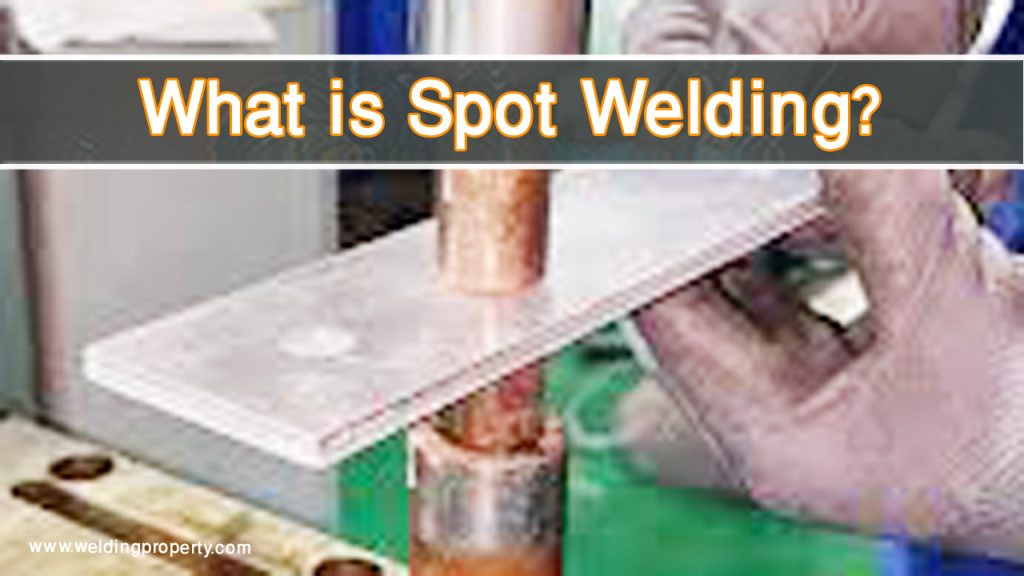
Image by agerawelder
I have had some experience exploring different welding methods, and spot welding really stands out for its simplicity and efficiency, especially for joining sheet metal. Let’s dive into what spot welding is, how it works, and where it’s used.
Spot Welding
Spot welding is a type of resistance welding used mainly for joining two or more sheets of metal at specific points. Instead of using an open flame or electrode wire, spot welding joins metals by applying pressure and heat generated from electrical resistance. It’s efficient, and once you see it in action, you’ll see why it’s so common in manufacturing.
How Spot Welding Works
To understand spot welding better, picture two pieces of metal lying on top of each other. In spot welding, two electrodes clamp these metal sheets together. When an electric current passes through, the resistance between the metal sheets generates heat, melting the metal at the contact point. As the heat is applied, pressure from the electrodes forces the sheets together, forming a weld.
It sounds simple, right? But this technique is powerful, producing fast and reliable welds. The key here is that the weld forms at a “spot” between the two electrodes, giving the method its name.
Equipment Behind Spot Welding
Spot welding doesn’t require extensive gear, but the equipment it does use is specific and powerful. The main tools involved include:
Electrodes – These are typically made from copper alloys because copper is an excellent conductor of electricity and heat. The electrodes press on the metal sheets, creating a localized welding spot.
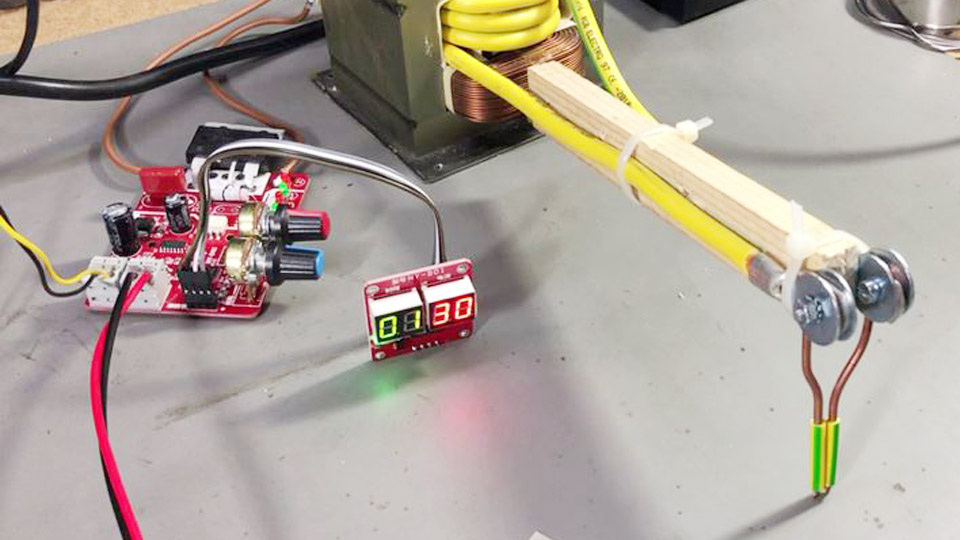
Welding Machine – A spot welding machine typically has a power source, control unit, and the electrode arms. These machines can range from small benchtop units for simple projects to large, industrial-grade machines for automotive manufacturing.
Power Supply – High electric current is required, which is usually provided through transformers in the machine.
This equipment setup means spot welding isn’t something you can typically do at home unless you have a specialized setup.
Why Spot Welding is Popular: Key Advantages
Spot welding stands out because of its ability to make strong, efficient connections quickly. Here’s why so many industries depend on it:
Speed and Efficiency – Spot welding is incredibly fast, which makes it ideal for large-scale production. Car manufacturers, for instance, can create thousands of welds in just seconds.
Cost-Effective – The simplicity of spot welding equipment and the minimal use of additional materials make it a cost-effective option for manufacturers.
Strong Connections – While it’s designed for thin metal sheets, spot welding can produce strong bonds that hold up well in many applications.
Automatable – This process can be easily automated, so it fits right into manufacturing lines, especially for mass production.
Limitations of Spot Welding
While spot welding has many perks, it’s not the perfect solution for all types of welding. Here are some drawbacks:
- Limited to Thin Materials – Spot welding is great for thin sheets, but it struggles with thicker materials. The heat generated may not be enough to join thick metals.
- Limited to Similar Metals – It’s usually most effective with metals that have similar melting points, like steel sheets. Dissimilar metals, like aluminum and copper, are harder to join because of different heat conductivity.
- Visible Welds – Spot welding leaves a mark where the electrode was placed, which may not be visually ideal for all products.
Comparing Spot Welding with Other Welding Techniques
It might help to look at spot welding in comparison to other methods like arc welding and TIG welding. Here’s a simple table for reference:
| Welding Type | Best for | Speed | Skill Required | Cost |
|---|---|---|---|---|
| Spot Welding | Thin metal sheets | Very Fast | Low | Low |
| Arc Welding | Thicker metals | Moderate | Moderate | Moderate |
| TIG Welding | Precision work, dissimilar metals | Slow | High | High |
While arc and TIG welding can handle a wider range of materials and thicknesses, spot welding shines when speed and efficiency are needed for thin sheet metals.
Common Applications of Spot Welding
Spot welding is used in various fields, each taking advantage of its speed and simplicity. Some of the most common applications include:
Automotive Manufacturing – If you’ve ever noticed those rows of small spots on car frames, that’s spot welding at work. It’s used to assemble body panels, frames, and other components that require fast, repetitive welds.
Appliances – From washing machines to refrigerators, spot welding joins parts that need to stay secure over the years. It’s fast, and since many appliance parts are hidden from view, visible welds aren’t an issue.
Electronics – Smaller spot welding machines are often used in battery assembly and other electronics, where quick and reliable connections are crucial.
Construction – Spot welding is also used in construction, mainly for sheet metal tasks or in HVAC applications where ductwork and other thin metals need secure connections.
Techniques and Variations in Spot Welding
Within spot welding, there are slight variations depending on the application and equipment:
Single-Sided Spot Welding – Typically, both electrodes contact the metal from opposite sides. But in tight spaces, single-sided spot welding can be used, where only one electrode is active.
Projection Welding – This method uses metal projections to concentrate the welding current, allowing for stronger welds. It’s used when stronger bonds are needed, like in automotive and heavy machinery.
Seam Welding – Not exactly spot welding, but close. Instead of individual “spots,” this process rolls the electrode along the metal, creating a seam weld. It’s ideal for making airtight or watertight seams.
How to Determine if Spot Welding is Right for You
Spot welding’s simplicity is appealing, but it may not fit every project. Here’s a quick checklist to help you decide:
Are you working with thin metal sheets? Spot welding is perfect for metal sheets that are around 0.5 to 3 mm thick.
Is speed important? For high-volume projects, spot welding’s fast application is invaluable.
Is it okay for the welds to be visible? Since spot welds can leave visible marks, it’s better suited for projects where aesthetics aren’t a priority.
If these factors align with your project, then spot welding could be a good match.
Final Thoughts on Spot Welding
Spot welding has carved out its place in manufacturing and beyond because of its efficiency and cost-effectiveness. If in cars, appliances, or electronics, spot welding offers a quick way to create strong, reliable joints. It’s simple, but it has its limitations, especially with thicker materials or dissimilar metals.
If you’re considering welding options and need speed, reliability, and simplicity, spot welding might just be the best choice. It’s not a fit for every project, but where it works, it works well.