If you’ve ever been curious about how metal sheets are joined together in car bodies, appliances, or even some electronic devices, the answer often lies in spot welding. Spot welding is a type of resistance welding that’s popular for its speed and simplicity, especially for connecting thin metal sheets.

Image by metalsupermarkets
After learning more about how it works, I realized how clever and efficient this method really is. Let’s dive into what makes spot welding so effective and how it all comes together.
What is Spot Welding?
At its core, spot welding joins two metal pieces by applying both heat and pressure at specific points. Unlike other welding methods that use filler materials or intense flames, spot welding relies on the metal’s own resistance to generate the necessary heat for bonding.
This process is especially common in high-volume manufacturing because it’s fast, consistent, and doesn’t require extra materials.
How Spot Welding Works: The Basic Process
To understand how spot welding works, let’s break down each step in the process. This technique may be simple in theory, but each part plays a vital role in creating strong, reliable welds.
Positioning the Metal Sheets
Spot welding typically joins two metal sheets stacked on top of each other. The sheets are positioned between two electrodes, which are made of a conductive material like copper alloy.
Applying the Electrodes
The electrodes press down on the metal sheets from opposite sides, aligning them securely. This pressure not only holds the sheets in place but also prepares them for the welding current. The pressure is crucial; it ensures the metal sheets make full contact, which is essential for an effective weld.
Electric Current Flow
A high electric current then passes through the electrodes, flowing through the metal sheets. As the current encounters resistance in the metal, it generates heat. The highest heat concentration is at the point between the electrodes, which is where the weld forms.
Melting and Fusing
The heat generated melts the metal at the contact point, creating a small pool of molten metal. While the metal is molten, the pressure from the electrodes forces the sheets to fuse, creating a bond as the metal cools and solidifies.
Releasing the Electrodes
Once the current stops and the metal cools, the electrodes release, leaving behind a strong, fused spot. The weld is now complete, and this “spot” is what holds the sheets together.
Equipment Used in Spot Welding
Spot welding may seem straightforward, but it requires specific equipment to ensure the welds are consistent and reliable. Let’s look at the key components in a spot welding setup:
Welding Machine
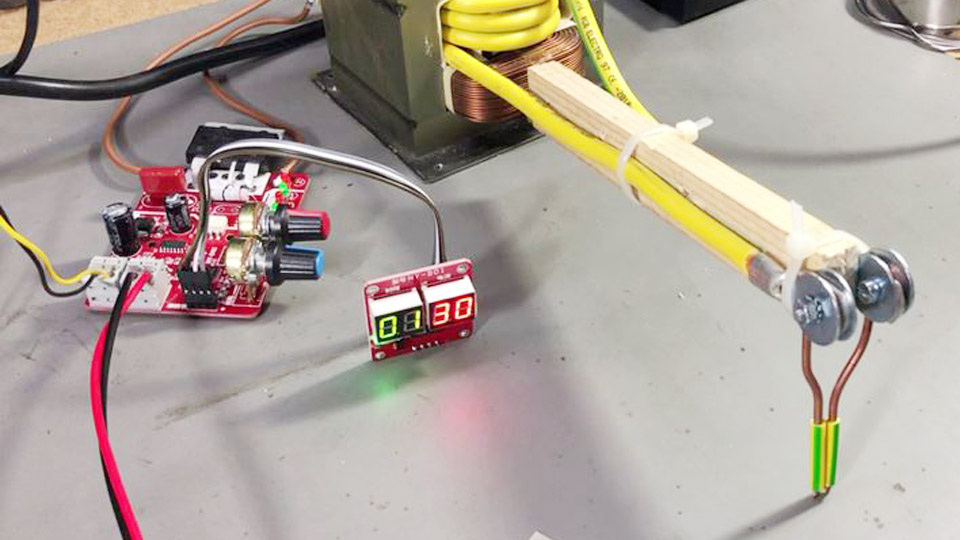
The main piece of equipment is the spot welding machine. This machine has a power source, electrode arms, and a control system to regulate the weld time and current.
Electrodes
Made from copper alloys, electrodes conduct the welding current and apply pressure to the metal sheets. They can vary in shape depending on the job requirements; pointed electrodes create concentrated spots, while flat ones distribute pressure across a larger area.
Power Supply
Spot welding requires high currents, so the power supply has to be robust. This current is delivered in short bursts to ensure precise control over heat generation, preventing damage to the surrounding material.
Key Parameters in Spot Welding
Getting the spot welding process right means understanding and controlling certain parameters. Each one affects how the weld will turn out, and adjusting them can make a big difference in weld strength and appearance.
Welding Current
The welding current is the electric energy that flows through the electrodes. Higher current means more heat, which is necessary for thicker or tougher metals. If the current is too high, it can burn through the metal, weakening the weld.
Electrode Force
Electrode force is the pressure applied by the electrodes. This ensures the sheets are tightly pressed together, allowing the heat to melt and fuse them effectively. Too little force can result in a weak weld, while too much can deform the metal.
Weld Time
Weld time is the duration the current is applied. Longer weld times are needed for thicker materials, allowing more heat to penetrate. Excessive weld time can cause overheating, leading to brittle or damaged welds.
Spot Welding vs Other Welding Methods
Spot welding is efficient, but it’s not the only way to join metal sheets. Let’s look at how it compares to other methods like MIG and TIG welding.
| Welding Method | Best For | Speed | Skill Level | Additional Materials |
|---|---|---|---|---|
| Spot Welding | Thin metal sheets | Very Fast | Moderate | None |
| MIG Welding | Thick metals, all shapes | Moderate | Moderate | Requires filler wire |
| TIG Welding | Precision and aesthetics | Slow | High | May require filler rod |
Spot welding is ideal for situations where speed and efficiency are critical, especially when working with thin metal sheets.
Applications of Spot Welding
Spot welding’s simplicity and speed make it the go-to choice for many industries. Here are some of the most common applications:
Automotive Manufacturing
In car manufacturing, spot welding is used to join body panels and structural components. The process is so fast that it can create hundreds of welds in seconds, which is crucial in high-volume production.
Appliance Assembly
Household appliances like washing machines, refrigerators, and microwaves often use spot welding. It joins the metal parts that need to be sturdy and durable, ensuring they can withstand years of use.
Battery Production
Spot welding is also widely used in the electronics industry, particularly in battery manufacturing. It quickly and securely connects battery cells without excessive heat, which is vital to maintain the integrity of the battery.
Pros and Cons of Spot Welding
While spot welding has clear advantages, it’s not a one-size-fits-all solution. Here’s a quick rundown of its pros and cons:
Advantages
Speed and Efficiency – Spot welding is incredibly fast, making it ideal for high-volume production.
Low Cost – The equipment is relatively simple, and it doesn’t require additional materials like filler wires or gases.
Consistent Weld Quality – Spot welding machines are easy to automate, ensuring consistent welds across a large batch of products.
Limitations
Limited to Thin Materials – Spot welding is best for metal sheets around 0.5 to 3 mm thick. Thicker materials require more heat than the process can typically provide.
Visible Weld Marks – Spot welds leave small marks where the electrodes were placed, which may not be ideal for visible parts.
Limited to Similar Metals – Spot welding works best with metals that have similar melting points, like steel or stainless steel. Dissimilar metals are harder to join due to differences in electrical and thermal conductivity.
Spot Welding Safety Tips
Since spot welding involves high electric currents and pressure, there are safety considerations to keep in mind:
Wear Protective Gear – Heat-resistant gloves and face shields are essential to protect from sparks and heat.
Avoid Damp Areas – Water and electricity don’t mix, so ensure your work area is dry to prevent electric shocks.
Proper Ventilation – Spot welding can produce fumes, so work in a well-ventilated area or use fume extractors.
Routine Equipment Checks – Ensure your equipment is in good condition. Worn electrodes or faulty wiring can lead to poor weld quality and potential hazards.
Tips for Improving Spot Weld Quality
If you’re looking to get the best results from spot welding, here are some helpful tips:
Clean the Metal Surface – Any dirt or oxidation on the metal sheets can interfere with the weld. Cleaning the metal surfaces beforehand helps ensure a strong bond.
Adjust Parameters for Material Thickness – Thicker metals need higher current and longer weld times. Adjust these settings based on the material thickness and type.
Use Proper Electrode Shapes – Different electrode shapes suit different jobs. For smaller, precise welds, pointed electrodes are ideal, while flat electrodes work well for wider welds.
Test Welds on Scrap Material – Before committing to a final weld, do a few test welds to fine-tune the parameters and check the weld strength.
Final Thoughts on How Spot Welding Works
Spot welding is a fantastic method when speed and efficiency are priorities. It’s a straightforward process but requires careful attention to parameters like current, pressure, and weld time to ensure strong, reliable joints.
With the right setup, spot welding can produce hundreds or even thousands of welds in seconds, making it indispensable in large-scale manufacturing.
If you’re interested in welding and want a method that’s fast and relatively easy to master, spot welding is worth exploring.
It may not fit every project, especially if you’re dealing with thick materials or dissimilar metals, but for thin sheets, it’s a go-to solution that delivers consistent, dependable results.