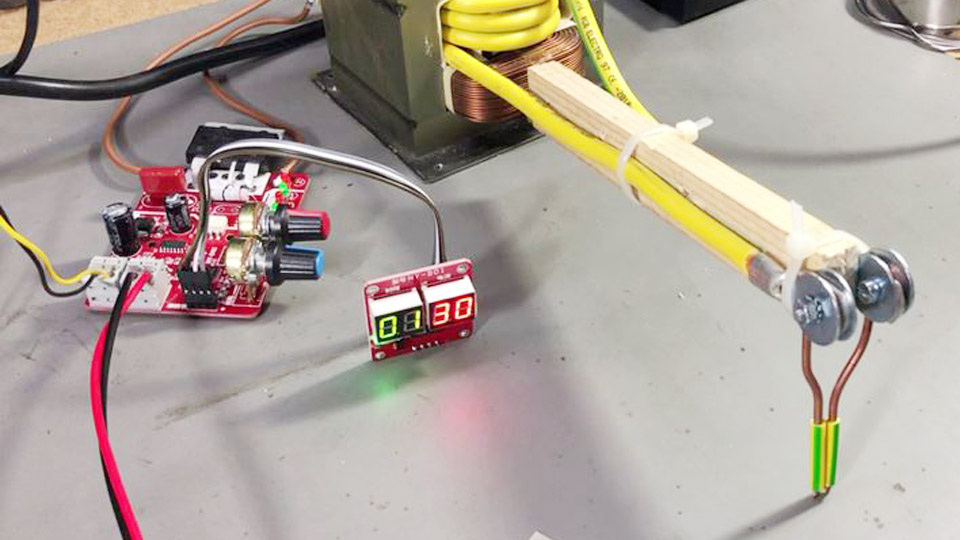
When it comes to spot welding, understanding the role of current and voltage is crucial. These two factors, more than anything else, determine the quality, strength, and efficiency of the welds you produce. Having worked with spot welding myself, I have come to appreciate how much of an art it is to fine-tune these parameters.

Image by researchgate
Let’s dive in and break down why current and voltage are so essential in spot welding and how to adjust them for the best results.
What is Spot Welding?
Spot welding is a type of resistance welding where two metal sheets are joined together using pressure and heat generated by an electric current.
Unlike other welding methods, spot welding doesn’t need any filler materials; it relies solely on the electrical resistance and the pressure applied. This makes it efficient and relatively simple for joining metal sheets, especially in high-production settings.
Role of Current and Voltage in Spot Welding
Current and voltage play a big role in determining the strength and durability of a spot weld. Essentially, the current provides the heat needed to melt the metal at the contact points, while the voltage helps to regulate and control that current. Each of these factors has a unique impact on the weld quality, so let’s explore what they do individually.
Spot Welding Current
The welding current is the primary source of heat in spot welding. The amount of current flowing through the electrodes and into the metal workpieces determines how quickly and intensely the metal heats up.
A high current creates more heat, which is essential for creating a strong weld, especially when working with thicker materials.
How Current Affects Weld Strength
The right amount of current is crucial. If the current is too low, it won’t generate enough heat to melt the metal fully, resulting in a weak or incomplete weld.
If the current is too high, it can lead to excessive melting, burning, or even blow-through of the material. Getting the current just right ensures the weld penetrates deeply enough for a strong bond but doesn’t damage the material.
Common Current Levels in Spot Welding
In spot welding, current levels usually range from 3,000 to 10,000 amperes, depending on the material and thickness. Here’s a rough breakdown of common current levels for different materials and applications:
| Material Type | Thickness Range | Recommended Current (Amps) |
|---|---|---|
| Mild Steel | 0.5 – 1.5 mm | 4,000 – 8,000 |
| Stainless Steel | 0.5 – 1.0 mm | 5,000 – 9,000 |
| Aluminum Alloys | 1.0 – 2.0 mm | 8,000 – 12,000 |
It’s worth noting that aluminum requires a higher current because it’s a better conductor and has a lower melting point than steel, which means it needs a faster, more intense heat input for effective spot welding.
Spot Welding Voltage
While current gets most of the attention, voltage is equally important. In spot welding, voltage controls the level of current that flows into the workpiece. It’s the “pressure” that pushes the current through the electrodes and into the metal, making it essential for consistent weld quality.
How Voltage Influences Weld Consistency
Voltage is like the balancing act in spot welding. If the voltage is too low, the current won’t be strong enough to create an effective weld.
But if the voltage is too high, it can cause sparking, excessive heat, and even damage to the electrodes. Maintaining the right voltage helps to stabilize the current flow and ensure that each weld is consistent in quality.
Typical Voltage Levels in Spot Welding
Voltage in spot welding is generally low, usually between 2 to 6 volts. This may seem minimal, but it’s enough to regulate the high currents used in spot welding. Here’s a look at how voltage typically varies based on different material types and requirements:
| Material Type | Thickness Range | Typical Voltage (Volts) |
|---|---|---|
| Mild Steel | 0.5 – 1.5 mm | 2 – 4 |
| Stainless Steel | 0.5 – 1.0 mm | 3 – 5 |
| Aluminum Alloys | 1.0 – 2.0 mm | 4 – 6 |
Balancing Current and Voltage for Optimal Welds
So, how do we find the sweet spot between current and voltage for high-quality spot welds? It’s all about understanding the interplay between these two factors. Adjusting one without the other can lead to suboptimal results.
Finding the Right Balance
In my experience, achieving the perfect weld requires some trial and error, especially if you’re working with new materials or different thicknesses. Here are a few tips to keep in mind:
Increase the Current for Thicker Materials: When welding thicker metal, increase the current to provide enough heat to penetrate through.
Use Lower Voltage for Thin Materials: Thin materials are more sensitive to voltage changes, so reducing voltage can help prevent excessive heat and potential burn-through.
Run Test Welds: Before starting a project, run a few test welds to find the optimal combination of current and voltage for your specific material.
Impact of Material Type and Thickness
Different materials and thicknesses require unique current and voltage settings. Here’s a table summarizing some common settings based on material and thickness:
| Material Type | Thickness Range | Recommended Current (Amps) | Recommended Voltage (Volts) |
|---|---|---|---|
| Mild Steel | 0.5 – 1.5 mm | 4,000 – 8,000 | 2 – 4 |
| Stainless Steel | 0.5 – 1.0 mm | 5,000 – 9,000 | 3 – 5 |
| Aluminum Alloys | 1.0 – 2.0 mm | 8,000 – 12,000 | 4 – 6 |
By adjusting current and voltage based on the type and thickness of the material, you can produce cleaner, stronger, and more consistent welds.
Key Tips for Adjusting Spot Welding Current and Voltage
Here are a few practical tips that can help you fine-tune your settings and achieve better welds:
Start with Lower Settings: When welding a new material, start with lower current and voltage settings and gradually increase them until you reach the desired weld quality.
Consider Electrode Wear: Over time, electrodes can wear down, which can affect both current and voltage delivery. Regularly inspect and replace electrodes to maintain consistency.
Use Proper Pressure: Pressure is also a key factor in spot welding. Even with the right current and voltage, improper pressure can affect the quality of the weld. Aim for balanced pressure to create a strong, reliable weld.
Monitor Heat-Affected Zone (HAZ): Spot welding can sometimes cause excessive heat buildup in the heat-affected zone, especially with high current. Keep an eye on this zone to prevent unwanted deformations or weakening of the surrounding material.
Potential Issues with Incorrect Current and Voltage
Using the wrong current or voltage can lead to several issues in spot welding, including weak welds, excessive heat damage, or electrode wear. Here’s a quick look at some of the common problems:
| Issue | Cause | Solution |
|---|---|---|
| Weak or Incomplete Welds | Low current or voltage | Increase current/voltage |
| Burn-through | High current or voltage | Reduce current/voltage |
| Excessive Sparking | High voltage | Lower voltage |
| Electrode Wear | High current/voltage or pressure | Lower settings and monitor usage |
Frequently Asked Questions
What is the ideal current range for spot welding?
The ideal current range for spot welding varies by material type and thickness. Generally, it’s between 5,000 to 15,000 amps for mild steel, but the exact current should be adjusted based on the specific job requirements.
Why is voltage important in spot welding?
Voltage in spot welding controls the heat generated at the weld point. It ensures proper fusion without overheating the metal. Too low a voltage may cause weak welds, while too high a voltage can burn through the material.
How do current and voltage impact weld quality in spot welding?
Current determines the amount of heat and energy applied, while voltage ensures that the heat is focused on the weld spot. Together, they control weld penetration, strength, and appearance, impacting the overall weld quality.
What happens if the spot welding current is too high?
If the current is too high, it can cause excessive heat, leading to burn-through, metal deformation, and reduced weld strength. It may also shorten electrode life due to increased wear.
How can I choose the right voltage and current for spot welding?
Start by consulting the weld specifications for your material. Test with lower settings and gradually increase until you achieve strong, clean welds. Many welding machines offer recommended settings for various materials as a reference.
Can I use the same settings for different types of metals?
No, different metals have unique thermal and electrical conductivity properties. Adjusting the current and voltage according to the specific metal type and thickness is essential for strong, quality welds.
Final Thoughts
Spot welding is an excellent method for joining thin metal sheets, but it requires careful control of current and voltage to achieve the best results. Understanding how to balance these settings based on material type, thickness, and application can make all the difference in weld quality. From my experience, taking the time to fine-tune current and voltage settings isn’t just worthwhile—it’s essential for producing reliable and durable welds.
If you’re working with steel, stainless steel, or aluminum, keep a close eye on these parameters, run test welds, and don’t hesitate to make adjustments as needed. Spot welding may seem straightforward, but a little extra attention to current and voltage goes a long way in mastering this technique.