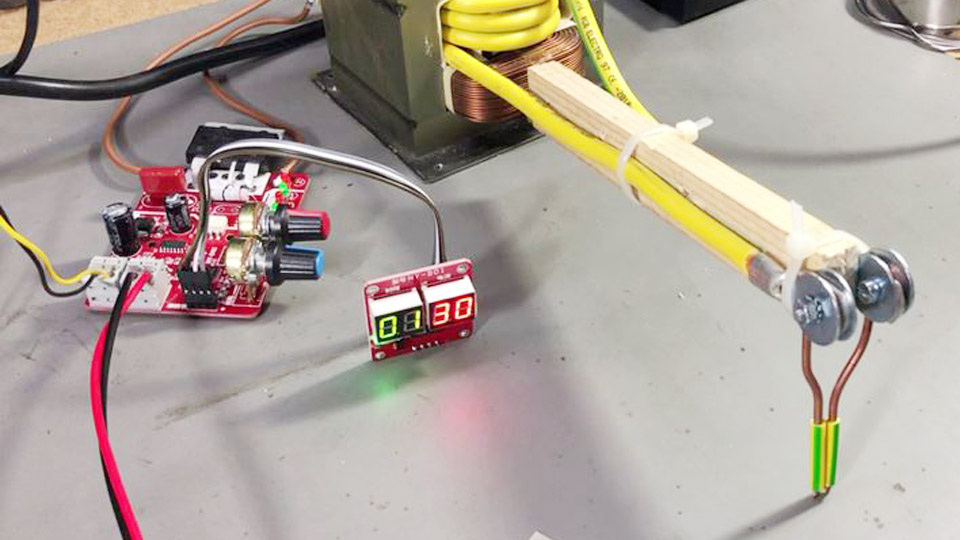
When it comes to achieving reliable and strong spot welds, understanding the right parameters is crucial. Spot welding may sound simple, it requires careful adjustment of several factors to get those clean, effective welds we often see in industries like automotive, construction, and electronics.

I have explored spot welding a bit myself, and dialing in these parameters can make all the difference between a strong weld and a weak bond. Let’s break down the main parameters of spot welding, along with a handy chart to help guide you.
Why Spot Welding Parameters Matter
Spot welding, while straightforward, relies on the delicate balance between pressure, heat, and time. If you get the parameters right, the weld will hold up under stress and pressure. If not, it may fail prematurely or damage the metal.
Adjusting parameters properly can mean the difference between a successful product and one that falls short. Each parameter affects the weld quality, so getting them in sync is essential.
Parameters in Spot Welding
Let’s dive into the main parameters that impact spot welding, and what each one does to the weld:
- Welding Current
- Electrode Force
- Weld Time
- Electrode Shape and Material
- Squeeze Time
- Hold Time
These parameters each play a role in how the metal sheets are joined, and understanding their impact can help in setting up for a spot welding job effectively.
Welding Current
The welding current is the electrical energy that flows through the electrodes to generate heat. This heat causes the metal at the welding point to melt, creating the weld. Higher current means more heat, which can help when working with thicker materials.
If the current is too high, it can burn through the metal or weaken the weld. On the other hand, too little current won’t create enough heat, leading to a weak bond.
The ideal current depends on factors like metal type and thickness, but generally, it ranges between 1,000 to 20,000 amps.
Electrode Force
Electrode force is the pressure applied by the electrodes to the metal sheets. This force ensures that the two pieces of metal are tightly held together during welding. If the force is too low, you’ll end up with a weld that’s not properly fused, while too much force can lead to metal deformation or electrode wear.
Getting this parameter right is critical, as it affects the weld strength and appearance. The force applied ranges from 300 to 1,000 pounds, depending on the materials used.
Weld Time
Weld time is the duration for which the current is applied. This is typically measured in cycles (where one cycle is 1/60th of a second). Longer weld times allow for more heat to penetrate, which can be useful for thicker materials. But, as with other parameters, too much time can weaken the weld, while too little can leave it brittle. The right weld time varies by material type and thickness, usually between 5 to 50 cycles.
Electrode Shape and Material
Electrodes come in different shapes and materials, and these factors influence heat generation, current flow, and overall weld quality. Most electrodes are made of copper alloys because of their high conductivity and durability. The electrode’s shape impacts how the current flows and how pressure is distributed, so it’s essential to match it to the specific job.
For instance, pointed electrodes focus the weld to a small area, while flat electrodes distribute the heat over a wider area, which can be helpful for different metal thicknesses and applications.
Squeeze Time
Squeeze time refers to the time before the weld current is applied. It’s the period when the electrodes press on the metal sheets to create a secure fit. Squeeze time ensures that the materials are correctly aligned and ready for welding, which is essential for strong, consistent welds. Without enough squeeze time, there might be gaps or misalignment. Typical squeeze times range from 5 to 50 cycles, depending on the material and thickness.
Hold Time
Hold time is the period after the current stops but before the electrodes release. This allows the molten metal to cool and solidify, locking the sheets together. Without enough hold time, the weld could crack or weaken. For most applications, hold time ranges between 5 to 30 cycles.
Spot Welding Parameters Chart
Here’s a chart to help visualize how these parameters work together for different metals and thicknesses. This can serve as a handy reference if you’re working with common materials like steel, stainless steel, or aluminum.
| Material | Thickness (mm) | Welding Current (A) | Electrode Force (lbs) | Weld Time (cycles) | Squeeze Time (cycles) | Hold Time (cycles) |
|---|---|---|---|---|---|---|
| Mild Steel | 0.5 – 1.0 | 6,000 – 10,000 | 400 – 600 | 5 – 15 | 10 – 20 | 10 – 15 |
| Stainless Steel | 0.5 – 1.0 | 8,000 – 12,000 | 500 – 700 | 10 – 20 | 15 – 25 | 15 – 20 |
| Aluminum | 1.0 – 2.0 | 10,000 – 18,000 | 700 – 1,000 | 15 – 30 | 20 – 30 | 15 – 25 |
| Galvanized Steel | 0.5 – 1.5 | 7,000 – 12,000 | 500 – 800 | 10 – 25 | 15 – 25 | 10 – 20 |
Adjusting Parameters for Different Metals
Each type of metal requires specific adjustments in the parameters to achieve a reliable weld. Metals like stainless steel, for example, have higher resistance than mild steel, so they often require higher currents or longer weld times.
Aluminum, on the other hand, is highly conductive, so it needs a high current but a shorter weld time to prevent overheating.
Tips for Setting Spot Welding Parameters
If you’re new to spot welding, getting all these settings right might seem daunting. Here are a few tips I’ve found useful:
Start with Recommended Settings – Use a chart as a guideline but be prepared to make slight adjustments based on the actual results.
Test Welds – Before committing to a final setting, do a few test welds on scrap material. This lets you fine-tune the parameters without risking your actual workpiece.
Check Weld Strength – A good spot weld should be strong enough to tear the surrounding material if pulled apart. If the weld separates easily, increase the current or weld time.
Monitor Electrode Wear – Electrodes wear down over time, affecting weld quality. Regularly check and replace them to maintain consistent results.
Consider Cooling – Some machines have water-cooling options for the electrodes, which can improve their lifespan and reduce overheating, especially when welding thicker or conductive metals like aluminum.
Real-Life Applications of Spot Welding Parameters
In real-world applications, adjusting spot welding parameters is common, especially in industries where consistency is essential. In automotive manufacturing, for instance, spot welding is used on a massive scale, joining panels, frames, and structural components.
Here, each weld needs to be consistent to ensure structural integrity, so manufacturers fine-tune parameters based on material, sheet thickness, and even environmental factors.
In electronics manufacturing, where precision is key, parameters are carefully controlled to ensure each spot weld is as clean and durable as possible. Here, shorter weld times and lower currents may be used to avoid damaging delicate components.
Final Thoughts
Setting the right spot welding parameters can feel a bit technical, but it’s essential to achieving strong, consistent welds. From adjusting the current to setting the correct weld time, each parameter plays a role in how the metal sheets fuse together.
Once you understand the basic guidelines and make adjustments based on your material, you’ll see just how versatile and effective spot welding can be.
Spot welding is a reliable and efficient way to join metals, but it’s the details that make all the difference. So, If you’re a beginner or a pro, keep these parameters in mind. Fine-tune them, do some tests, and you’ll be set up for success in your spot welding projects.