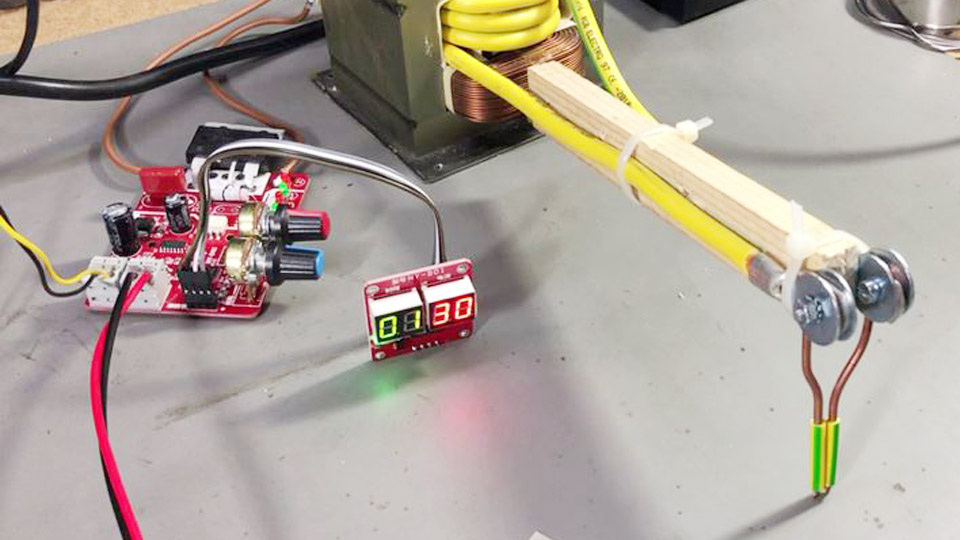
Removing spot welds on a car is a precise task that affects structural integrity, safety, and repair quality. If you’re asking How to Remove Spot Welds on a Car, the challenge isn’t just cutting metal—it’s separating panels without damaging surrounding sheet metal, weakening the frame, or creating alignment issues.
In real automotive repair and fabrication, improper removal can cause distortion, misaligned panels, or hidden stress points that compromise weld penetration when replacing parts.
For body technicians, collision repair shops, and DIY fabricators, efficient spot weld removal minimizes rework, preserves original geometry, and ensures strong, clean seams for subsequent welding.
I’ll explain the tools, techniques, and safety practices to remove spot welds efficiently, keeping the car’s structure intact and ready for high-quality repairs.
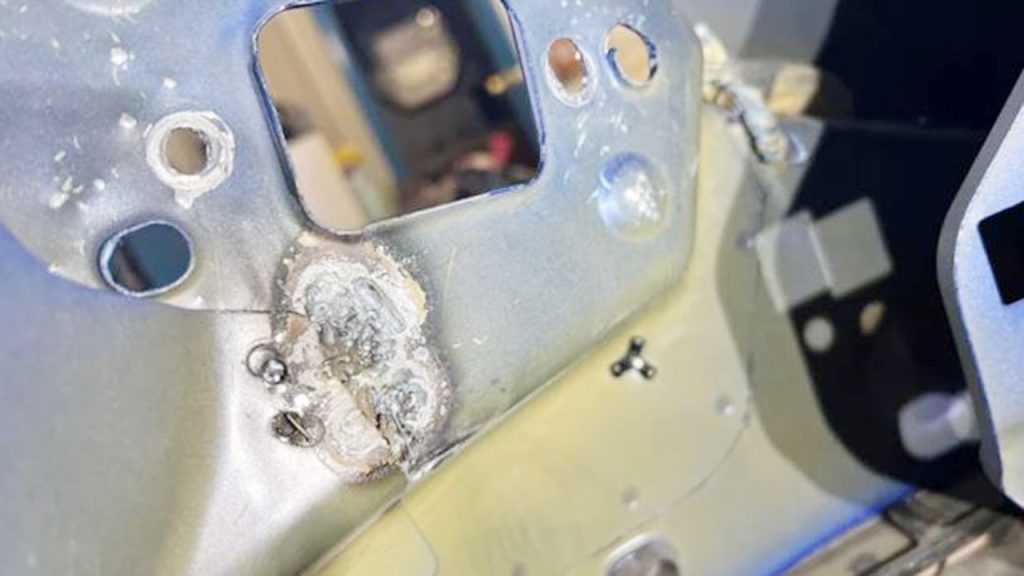
Image by reddit
Why Clean Metal Matters in Welding
In welding, the surface condition directly impacts the final joint strength. Paint on metal acts as a barrier, preventing proper fusion between the base material and filler.
When heated during welding, paint can vaporize, creating gases that get trapped in the molten pool, resulting in pores that weaken the structure. For example, in mild steel welding, even thin paint layers can cause spatter and unstable arcs, increasing rework time.
For aluminum, which is more sensitive to contaminants, paint removal is critical to avoid oxide formation issues. Standards like AWS D1.1 for structural welding require bare metal in the joint area to achieve full penetration.
By removing paint without chemicals, you avoid residues that could react during welding, ensuring cleaner beads and better mechanical properties. This process also reveals underlying rust or mill scale, allowing for complete surface prep.
Tools and Materials for Paint Removal
Before starting, gather the right tools to match your project scale. Basic items include safety gear like gloves, eye protection, and respirators to handle dust and fumes.
| Tool/Material | Purpose | Recommended Specifications |
|---|---|---|
| Paint Scraper | Manual removal of loose paint | Plastic or metal blade, 2-4 inch width for control |
| Wire Brush | Scrubbing tight areas | Stainless steel bristles, hand-held or drill-mounted |
| Sandpaper or Sander | Abrasive smoothing | 80-220 grit, orbital sander for large areas |
| Heat Gun | Softening paint for scraping | 500-1500°F adjustable temperature |
| Abrasive Blaster | High-volume removal | 80-100 psi, silica-free media like garnet |
| Angle Grinder | Powered grinding | 4-1/2 inch disc, flap wheels for finish |
| Boiling Pot | For small parts immersion | Large stockpot, tongs for handling |
Select tools based on metal type—use softer abrasives on aluminum to prevent gouging. Always work in a ventilated area.
Mechanical Methods for Paint Removal
Mechanical techniques rely on physical abrasion to strip paint, ideal for welders who need precise control over surface texture.
Using a Paint Scraper
A paint scraper is the simplest starting point for flat or loosely adhered paint. Hold the scraper at a 30-degree angle to the surface and push forward with steady pressure. For stubborn spots, tap the back of the blade lightly with a mallet to loosen the paint without denting the metal.
This method works well on large panels like steel plates, where you can remove broad swaths quickly. On curved surfaces, use a flexible plastic scraper to conform to the shape, reducing scratch risks. After scraping, inspect for remaining flecks that could affect weld quality.
In welding prep, scraping preserves the metal’s profile, which is key for maintaining joint geometry. For instance, in butt joints, a smooth scrape ensures even bevel edges.
Pros include low cost and no power needed; cons are it’s labor-intensive for thick layers. Combine with other methods for best results.
Wire Brushing Technique
Wire brushes excel at reaching crevices and edges where scrapers fall short. Use a hand brush for small areas or attach one to a drill for efficiency. Apply moderate pressure in circular motions to abrade the paint without embedding wires into the metal.
For steel, opt for carbon steel bristles; switch to stainless for non-ferrous metals to avoid contamination. Brush speed should be around 2,500-3,000 RPM on power tools to prevent overheating.
This method removes paint while lightly texturing the surface, which can improve weld adhesion by increasing contact area.
Welders often use wire brushing post-grinding to clean up residues. It’s effective for pipe fittings or brackets, ensuring no paint hides in threads.
Advantages: Quick for detailed work and minimal material removal. Drawbacks: Can leave scratches if overused, so follow with finer abrasives for critical welds.
Sanding for Smooth Finishes
Sanding provides a controlled way to strip paint and achieve a uniform surface. Start with coarse 80-grit sandpaper to cut through the paint, then progress to 120-220 grit for smoothing. Use an orbital sander on flat expanses or hand sand curves.
Keep the sander moving to avoid heat buildup, which could warp thin metal. Wet sanding with water minimizes dust, especially indoors. For welding, a sanded surface promotes better arc stability by eliminating high spots that disrupt current flow.
This is suitable for sheet metal projects where surface flatness is crucial, like auto body repairs. Benefits: Versatile grit options for varying paint thicknesses.
Limitations: Generates dust, requiring proper PPE. Always sand in the direction of the metal grain to reduce visible marks.
Grinding with Power Tools
An angle grinder fitted with a flap disc or wire wheel speeds up removal for heavy paint buildup. Operate at 10,000-12,000 RPM, applying light pressure to let the tool do the work. Use 40-60 grit flaps for initial stripping, then finer for polish.
In fabrication shops, grinding is standard for prepping I-beams or plates. It removes paint and mill scale in one pass, exposing clean metal for optimal penetration. Monitor heat—excess can alter metal properties, affecting weld hardness.
Pros: Fast for large areas; cons: Risk of over-grinding, which thins material. For aluminum, use dedicated discs to prevent cross-contamination that could cause weld cracks.
Heat-Based Methods
Heat softens paint for easy removal, useful when mechanical abrasion alone is insufficient.
Heat Gun Application
A heat gun heats paint to 500-600°F, causing it to bubble and lift. Hold the gun 2-4 inches away, moving slowly across the surface, then scrape immediately while warm.
This is effective for layered paint on doors or frames. In welding, it minimizes surface damage, preserving thickness for structural integrity. Use on steel; avoid high heat on aluminum to prevent annealing.
Advantages: Reduces physical effort; drawbacks: Fume risks, so ventilate well. Follow with brushing to clear residues.
Boiling Water for Small Parts
For hardware like bolts or hinges, submerge in boiling water for 15-30 minutes. The thermal expansion loosens paint; remove with tongs and scrape.
This non-abrasive method suits delicate items, avoiding scratches that could initiate corrosion. Post-boil, dry thoroughly to prevent rust before welding.
Pros: Simple for batches; cons: Limited to immersible parts. Ensures no residues for clean welds.
Abrasive Blasting Approach
Abrasive blasting propels media like garnet at 80-120 psi to strip paint. Use a cabinet blaster for containment or portable for large pieces.
It provides even removal, ideal for complex shapes like chassis. For welding, it creates a profile that enhances coating adhesion if painting post-weld.
Benefits: Thorough and fast; limitations: Requires equipment and media recycling. Adjust pressure for metal type—lower for soft alloys.
Post-Removal Preparation for Welding
After paint removal, degrease with a solvent wipe to eliminate oils. Grind bevels as needed for joint type—45 degrees for V-grooves. Inspect for pits; fill if necessary.
For MIG welding, a clean surface supports 20-25 volts at 150-200 amps for 1/8-inch steel, yielding smooth beads. Test fit pieces to confirm alignment.
Safety Considerations in Paint Removal
Wear N95 respirators for dust, gloves for heat, and goggles for flying particles. Work outdoors or with extraction for fumes. For lead paint, test first and use HEPA filters.
Conclusion
Mastering these methods equips you to handle paint removal efficiently, leading to reliable welds. Each technique—from scraping to blasting—offers options based on project needs, ensuring clean metal without compromising quality. Prioritize the method that best fits your setup for consistent results.
In high-strength steel welding, opt for lower-heat methods like wire brushing to avoid altering the heat-affected zone prematurely, preserving tensile strength for demanding applications.
FAQ
Can I use these methods on galvanized metal?
Yes, but carefully. Mechanical methods like sanding remove paint without damaging the zinc layer if you use fine grits. Avoid high heat, as it can vaporize zinc, creating fumes and exposing steel to corrosion. Post-removal, inspect for bare spots and repair with cold galvanizing compound before welding.
How do I know if the paint contains lead?
Test with a lead detection kit available at hardware stores. If positive, use wet methods to minimize dust and wear appropriate PPE. For welding projects, lead contamination can cause health risks during heating, so complete removal is vital.
What’s the best method for removing paint from aluminum?
Wire brushing or plastic scraping prevents gouging. Use low-pressure blasting with soft media. Aluminum’s softness requires gentle techniques to maintain surface for anodizing or welding, where oxides form easily.
How long does abrasive blasting take for a typical project?
For a 4×8-foot sheet, 20-40 minutes at 100 psi, depending on paint thickness. Factor in setup and cleanup. It’s faster than manual methods for volume work in shops.
Will these methods affect the metal’s temper?
Heat guns or torches can if overapplied, softening tempered alloys. Limit exposure to under 700°F for steel. Mechanical methods have no thermal impact, making them safer for precision parts.