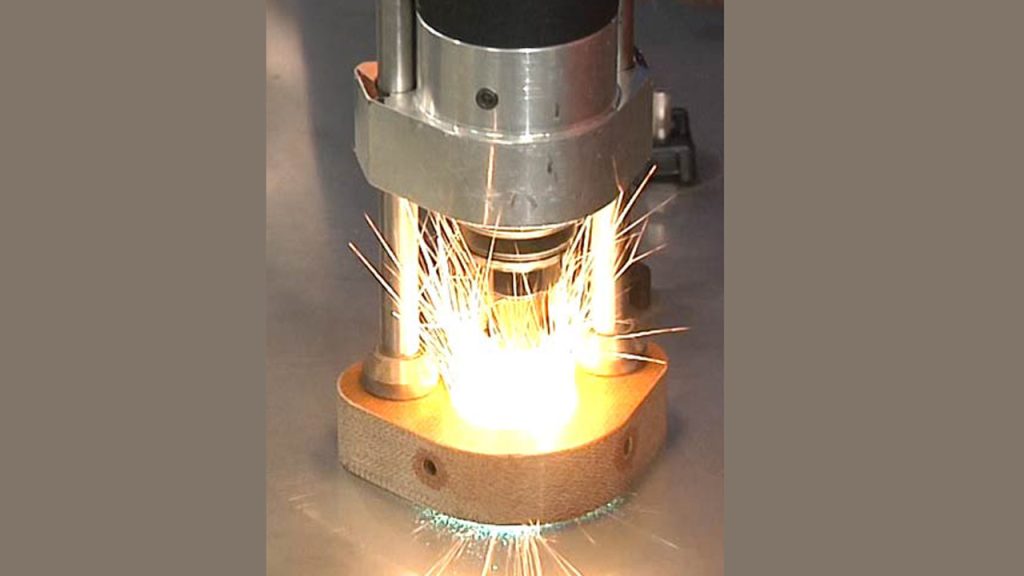
A welding torch is a crucial tool in the world of metalworking and fabrication. It serves as the primary instrument that welders use to join metals together through the application of heat. Welding torches come in various types, each designed for specific welding processes and applications.

Image by 4pro
Understanding the different types of welding torches, their components, and how they function is essential for anyone involved in welding, whether as a professional or a hobbyist.
We’ll explore the world of welding torches, diving into their types, components, functions, and the role they play in different welding processes. We’ll also discuss safety considerations, maintenance tips, and how to choose the right welding torch for your needs.
Basics of Welding Torches
At its core, a welding torch is a device that delivers the necessary heat, filler material (in some cases), and shielding gas (when required) to create a weld. The specific design and function of a welding torch depend on the welding process it’s used for. All welding torches share the common purpose of facilitating the joining of metals through the application of heat.
Functions of a Welding Torch
Heat Generation: The primary function of a welding torch is to generate and direct heat to melt the base metals and, when used, the filler material.
Gas Delivery: In many welding processes, the torch delivers shielding gas to protect the weld pool from atmospheric contamination.
Filler Material Delivery: Some welding torches are designed to feed filler material into the weld pool automatically.
Arc Control: In arc welding processes, the torch helps control the electrical arc that generates the heat for welding.
Precision: Welding torches are designed to allow welders to direct heat and filler material with precision, enabling accurate and high-quality welds.
Types of Welding Torches
There are several types of welding torches, each designed for specific welding processes. Let’s explore the most common types:
Oxy-Fuel Welding Torch
Oxy-fuel welding torches are used in gas welding processes. They mix oxygen and a fuel gas (typically acetylene) to create a high-temperature flame.
Key features of oxy-fuel welding torches:
- Consist of two hoses: one for oxygen and one for fuel gas
- Have a mixing chamber where the gases combine
- Feature interchangeable tips for different flame sizes and shapes
- Can reach temperatures up to 6,300°F (3,480°C)
Applications:
- Welding thin materials
- Brazing and soldering
- Cutting metals
- Heating metals for bending or shaping
TIG (Tungsten Inert Gas) Welding Torch
TIG welding torches, also known as GTAW (Gas Tungsten Arc Welding) torches, use a non-consumable tungsten electrode to create an arc.
Key features of TIG welding torches:
- Have a tungsten electrode that doesn’t melt during welding
- Deliver inert shielding gas (usually argon) to protect the weld
- Often feature a foot pedal for precise heat control
- Can be air-cooled or water-cooled
Applications:
- Welding thin materials
- Welding non-ferrous metals like aluminum and titanium
- Creating high-precision welds
- Automotive and aerospace industries
MIG (Metal Inert Gas) Welding Torch
MIG welding torches, also called GMAW (Gas Metal Arc Welding) torches, use a consumable wire electrode that is continuously fed through the torch.
Key features of MIG welding torches:
- Have a wire feed mechanism
- Deliver shielding gas (usually a mix of argon and CO2)
- Feature a trigger to control wire feed and gas flow
- Can be used with solid wire or flux-cored wire
Applications:
- Welding a wide range of metals and thicknesses
- High-speed welding of long seams
- Automotive manufacturing
- General fabrication and repair work
Plasma Arc Welding Torch
Plasma arc welding torches use a constricted arc to create a high-temperature plasma stream for welding.
Key features of plasma arc welding torches:
- Have a constricting nozzle to focus the arc
- Use a non-consumable electrode (usually tungsten)
- Deliver both plasma gas and shielding gas
- Can achieve very high temperatures and precision
Applications:
- Welding thin materials
- Creating high-quality, precise welds
- Aerospace and medical device manufacturing
- Automated welding processes
Components of a Welding Torch
While the specific components vary depending on the type of welding torch, most torches share some common elements. Let’s explore these components using a TIG welding torch as an example:
Handle
The handle is the part of the torch that the welder holds. It’s designed for comfort and control during welding operations. The handle often contains switches or triggers to control gas flow and, in some cases, arc initiation.
Body
The torch body houses the internal components and provides structural support. In water-cooled torches, the body contains channels for coolant circulation.
Collet
The collet is a holding device that grips the tungsten electrode. It ensures proper electrical contact and alignment of the electrode.
Collet Body
The collet body holds the collet and helps direct the shielding gas around the electrode.
Gas Nozzle (Ceramic Cup)
The gas nozzle, often made of heat-resistant ceramic, directs the flow of shielding gas around the weld area. It comes in various sizes to suit different welding applications.
Tungsten Electrode
In TIG welding, the tungsten electrode carries the electrical current to create the arc. It’s non-consumable and comes in various types and sizes for different welding tasks.
Back Cap
The back cap covers the rear of the torch, protecting the tungsten electrode and allowing for easy electrode changes.
Gas Diffuser
In some torch designs, a gas diffuser helps distribute the shielding gas evenly around the electrode.
Power Cable
The power cable delivers electrical current from the power source to the torch.
Gas Hose
The gas hose connects the torch to the shielding gas supply.
How Welding Torches Work
The specific operation of a welding torch depends on its type and the welding process it’s designed for. Let’s explore how some common types of welding torches work:
Oxy-Fuel Welding Torch Operation
- Gas Mixing: Oxygen and fuel gas (usually acetylene) are mixed in the torch’s mixing chamber.
- Flame Ignition: The gas mixture is ignited at the torch tip, creating a high-temperature flame.
- Flame Adjustment: The welder adjusts the gas flow to achieve the desired flame characteristics (neutral, oxidizing, or reducing).
- Heat Application: The flame is directed at the workpiece to melt the base metal and filler rod.
- Welding: The welder manipulates the torch and filler rod to create the weld.
TIG Welding Torch Operation
- Arc Initiation: The welder initiates the arc by touching the tungsten electrode to the workpiece or using a high-frequency start.
- Gas Flow: Shielding gas flows through the torch, protecting the weld area from atmospheric contamination.
- Arc Maintenance: The welder maintains a small gap between the electrode and the workpiece to sustain the arc.
- Heat Control: The welder adjusts the heat input using a foot pedal or torch-mounted amperage control.
- Filler Addition: If required, the welder manually feeds filler rod into the weld pool.
- Welding: The welder moves the torch along the joint, creating the weld.
MIG Welding Torch Operation
- Wire Feed: The consumable wire electrode is continuously fed through the torch.
- Arc Initiation: The welder pulls the trigger, starting the wire feed and gas flow, and touches the wire to the workpiece to start the arc.
- Arc Maintenance: The wire feed speed and voltage are set to maintain a stable arc.
- Shielding: Gas flows through the torch nozzle, protecting the weld area.
- Welding: The welder moves the torch along the joint, with the wire continuously melting and joining the base metals.
Selecting the Right Welding Torch
Choosing the appropriate welding torch is crucial for achieving high-quality welds and ensuring efficient welding operations. Here are some factors to consider when selecting a welding torch:
Welding Process
The first consideration is the welding process you’ll be using. Different processes require specific types of torches:
- For TIG welding, choose a TIG torch
- For MIG welding, select a MIG gun
- For oxy-fuel welding, opt for an oxy-fuel torch
Material Type and Thickness
The type and thickness of the materials you’ll be welding influence torch selection:
- Thin materials often require TIG welding torches for precision
- Thicker materials may be better suited for MIG or stick welding
Amperage Requirements
Consider the amperage range you’ll be working with:
- Higher amperage applications may require water-cooled torches
- Lower amperage jobs can often be handled with air-cooled torches
Duty Cycle
The duty cycle indicates how long a torch can operate continuously without overheating:
- For continuous or high-volume welding, choose torches with higher duty cycles
- For intermittent or low-volume welding, standard duty cycles may suffice
Ergonomics and Comfort
Consider the torch’s design and how comfortable it is to use:
- Look for torches with ergonomic handles
- Consider the weight of the torch, especially for long welding sessions
Cooling Method
Decide between air-cooled and water-cooled torches:
- Air-cooled torches are simpler and more portable
- Water-cooled torches can handle higher amperages and longer welding times
Additional Features
Consider any special features that might be beneficial:
- Flexible necks for reaching difficult angles
- Built-in amperage controls
- Quick-change consumables
Maintenance and Care of Welding Torches
Proper maintenance of welding torches is essential for ensuring their longevity, performance, and safety. Here are some key maintenance practices:
Regular Cleaning
- Clean the torch nozzle and gas diffuser regularly to prevent spatter build-up
- Use appropriate cleaning tools, such as nozzle reamers and tip cleaners
Inspect Consumables
- Regularly check and replace worn consumables, such as contact tips, nozzles, and electrodes
- Ensure proper seating and tightness of all components
Check for Leaks
- Regularly inspect gas hoses and connections for leaks
- Replace any damaged hoses or fittings immediately
Maintain Proper Cable Management
- Keep cables straight and untangled to prevent internal damage
- Avoid sharp bends in cables, especially near the torch connection
Cooling System Maintenance
For water-cooled torches:
- Regularly check coolant levels and quality
- Flush the cooling system periodically to prevent build-up of contaminants
Proper Storage
- Store torches in a clean, dry place when not in use
- Use torch stands or hangers to prevent damage
Safety Considerations for Welding Torch Use
Safety is paramount when working with welding torches. Here are some crucial safety considerations:
Personal Protective Equipment (PPE)
- Always wear appropriate PPE, including welding helmets, gloves, and flame-resistant clothing
- Use proper eye and face protection rated for the specific welding process
Ventilation
- Ensure adequate ventilation in the welding area to remove fumes and gases
- Use local exhaust ventilation when working in confined spaces
Fire Prevention
- Keep a fire extinguisher nearby
- Remove flammable materials from the welding area
- Use welding blankets or screens to contain sparks
Electrical Safety
- Ensure proper grounding of welding equipment
- Inspect cables regularly for damage and replace as needed
- Keep the work area dry to prevent electrical hazards
Gas Cylinder Safety
- Secure gas cylinders properly to prevent tipping
- Use appropriate regulators and hoses for each gas type
- Store and transport cylinders according to safety guidelines
Training and Awareness
- Ensure all operators are properly trained in torch use and safety procedures
- Stay informed about the latest safety guidelines and best practices
Conclusion
Welding torches are indispensable tools in the world of metalworking and fabrication. They serve as the primary interface between the welder and the welding process, enabling the precise application of heat and, in many cases, filler material to create strong, durable joints between metals.
From the versatile oxy-fuel torch to the precision of TIG welding and the efficiency of MIG welding, each type of welding torch has its unique characteristics and applications. Understanding these differences, along with the components and operation of welding torches, is crucial for anyone involved in welding.
Selecting the right welding torch for a specific job involves considering factors such as the welding process, material properties, amperage requirements, and ergonomics. Proper maintenance and adherence to safety guidelines are essential for ensuring the longevity of the equipment and the well-being of the welder.
As welding technology continues to advance, we can expect to see further innovations in torch design, focusing on improved efficiency, precision, and user-friendliness. The fundamental principles of how welding torches function will likely remain the same, underscoring their enduring importance in the field of metalworking.
If you’re a professional welder, a DIY enthusiast, or someone looking to enter the welding field, a solid understanding of welding torches is essential. This knowledge forms the foundation for developing welding skills, ensuring safety, and producing high-quality welds across a wide range of applications.