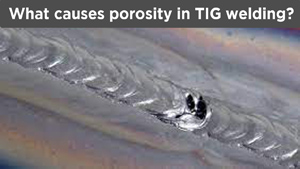
Gas Tungsten Arc Welding (GTAW), also known as Tungsten Inert Gas (TIG) welding, is one of the most widely used and effective welding methods for producing high-quality welds. This welding process uses a non-consumable tungsten electrode to create an arc that melts the base metal.

mage by wermac
A shielding gas, typically argon, is used to protect the weld from atmospheric contamination, resulting in a clean, precise weld.
TIG welding is favored in industries like aerospace, automotive, and metal fabrication, especially when working with thin materials and non-ferrous metals like aluminum and magnesium.
While GTAW offers several advantages, it also has its limitations. In this blog post, we will explore the advantages and disadvantages of gas tungsten arc welding in detail.
What Is Gas Tungsten Arc Welding (GTAW)?
Gas tungsten arc welding is a manual welding process in which a tungsten electrode generates an arc between the electrode and the base metal. Unlike MIG (Metal Inert Gas) welding, GTAW does not use a consumable electrode.
The welder manually feeds a filler material into the weld pool if necessary. The shielding gas, typically argon or helium, protects the weld from oxidation and contamination during the welding process.
The result is a strong, clean, and visually appealing weld. This precision makes GTAW ideal for intricate welding tasks and applications where high-quality finishes are necessary.
How Gas Tungsten Arc Welding Works
The process of gas tungsten arc welding follows these basic steps:
- The tungsten electrode is positioned close to the base material.
- An arc is struck between the electrode and the workpiece.
- The arc heats the base material, melting it and forming a weld pool.
- If filler material is required, it is manually added to the weld pool.
- The shielding gas (argon or helium) protects the molten metal from exposure to atmospheric gases like nitrogen, oxygen, and hydrogen.
- Once the joint is completed, the arc is extinguished, and the weld solidifies.
Now that we have a basic understanding of GTAW, let’s dive into its advantages and disadvantages.
Advantages of Gas Tungsten Arc Welding
GTAW is known for its numerous benefits, particularly in industries that require precision and quality. Here are some of the primary advantages of gas tungsten arc welding:
High-Quality Welds
One of the key advantages of GTAW is the high-quality welds it produces. The process creates clean, precise welds with minimal spatter, distortion, or defects.
The ability to control the arc and the heat input makes it ideal for applications that require aesthetically appealing welds, such as in aerospace and automotive industries.
Versatility with Materials
GTAW is incredibly versatile and can be used to weld a wide variety of metals, including both ferrous and non-ferrous materials. It is particularly well-suited for welding non-ferrous metals like aluminum, magnesium, copper, and titanium.
GTAW can be used to weld thin materials that may be challenging to work with using other welding methods.
Some of the metals commonly welded with GTAW include:
- Stainless steel
- Carbon steel
- Aluminum
- Magnesium
- Copper alloys
- Titanium
Precise Control
TIG welding provides excellent control over the heat input, making it easier to weld thin sections and avoid burn-through.
The welder has full control over the arc, the weld pool, and the filler material, allowing for the production of highly precise and accurate welds. This precision is essential for applications that require intricate designs or critical welds.
No Spatter or Slag
Unlike other welding methods, such as stick welding (SMAW), TIG welding does not produce slag or spatter. The absence of slag makes the post-weld cleanup process easier and ensures a cleaner finished product.
The clean weld pool allows welders to see their work clearly, reducing the chances of mistakes or defects in the weld.
Strong, Durable Welds
Welds produced by GTAW are known for their strength and durability. The process minimizes defects such as porosity, cracking, or inclusions, resulting in joints that are structurally sound and capable of withstanding high levels of stress.
These strong welds are often required in industries like aerospace and automotive, where the integrity of the weld is critical.
Ideal for Thin and Delicate Materials
GTAW is particularly suited for welding thin and delicate materials, such as thin sheets of metal, without causing excessive heat input or distortion.
The process allows for precise control of the heat, making it possible to weld materials as thin as 0.5 mm without causing burn-through.
Non-Consumable Electrode
Since the tungsten electrode is non-consumable, it doesn’t need to be replaced frequently during the welding process. This increases efficiency and reduces downtime associated with changing consumables, allowing for longer, uninterrupted welding sessions.
Disadvantages of Gas Tungsten Arc Welding
Despite its numerous advantages, GTAW has several drawbacks that can limit its use in certain situations. Here are some of the disadvantages of gas tungsten arc welding:
Slower Process
GTAW is a slow and labor-intensive process compared to other welding methods like MIG or stick welding. The welder must manually control the arc, filler material, and shielding gas, making it a more time-consuming operation. The slower process can reduce productivity, making it less suitable for high-volume manufacturing.
Requires High Skill Level
TIG welding requires a high level of skill and experience to perform effectively. The process involves manually controlling several variables at once, including the arc length, filler material, and heat input.
Inexperienced welders may struggle to produce consistent, high-quality welds with GTAW. As a result, it often takes longer to train welders in TIG welding compared to other methods.
Higher Equipment Costs
TIG welding equipment is more expensive than other types of welding setups, such as MIG or stick welding machines. The cost of a TIG welder, along with the necessary accessories like gas regulators, torches, and electrodes, can be a significant investment.
The cost of shielding gases like argon or helium is relatively high compared to other consumables used in welding.
Not Suitable for Thick Materials
While GTAW excels at welding thin materials, it is not as efficient for welding thick materials. The process generates lower heat input compared to other welding methods, making it less effective for welding thicker metal sections.
For thick materials, alternative methods like MIG or arc welding are generally more suitable, as they provide deeper penetration and faster weld times.
Sensitive to Contaminants
GTAW is highly sensitive to contaminants on the base metal, such as oil, rust, or dirt. Any impurities on the surface of the metal can lead to defects like porosity or cracking in the weld. It is essential to thoroughly clean the workpiece before welding to ensure a strong, defect-free weld.
Requires Good Ventilation
The shielding gas used in GTAW protects the weld from contamination, but it also displaces oxygen from the welding area.
Without proper ventilation, the lack of oxygen can create a hazardous working environment, potentially leading to asphyxiation or exposure to harmful gases. Ensuring adequate ventilation is a critical safety consideration when using GTAW.
Comparison of Advantages and Disadvantages
| Aspect | Advantages | Disadvantages |
|---|---|---|
| Weld Quality | Produces clean, high-quality welds with minimal spatter | Requires a high level of skill to achieve consistent results |
| Material Versatility | Can weld a wide range of materials, including non-ferrous metals | Not as efficient for thick materials |
| Control and Precision | Offers excellent control over heat input and weld pool | Slower process compared to other methods |
| No Spatter or Slag | Clean welds with no need for post-weld cleanup | Higher equipment and operating costs |
| Strength and Durability | Creates strong, durable welds | Highly sensitive to contaminants |
| Thin Material Suitability | Ideal for thin and delicate materials | Requires proper ventilation due to shielding gas |
| Non-Consumable Electrode | Tungsten electrode does not need frequent replacement | Not suitable for high-volume production |
When to Use GTAW
Given the advantages and disadvantages, GTAW is best suited for the following situations:
High-Quality Welds: When the quality and appearance of the weld are critical, such as in aerospace, automotive, or artwork.
Non-Ferrous Metals: GTAW is ideal for welding non-ferrous metals like aluminum, copper, and titanium, which require precision and care.
Thin Materials: It is the preferred method for welding thin materials without causing excessive distortion or burn-through.
Precise Control: When detailed or intricate welding tasks are required, such as in fabrication, jewelry making, or pipe welding.
When Not to Use GTAW
GTAW may not be the best option in the following scenarios:
High-Volume Production: The slow process and high skill requirement make GTAW less efficient for large-scale or high-volume production.
Thick Materials: For welding thick sections of metal, methods like MIG or arc welding are more efficient and provide better penetration.
Budget Constraints: If cost is a concern, the higher equipment and operating costs of GTAW may not be justified, especially for simple or non-precision welding tasks.
Conclusion
Gas tungsten arc welding is a highly precise and versatile welding method that produces clean, strong, and high-quality welds.
Its ability to weld a variety of metals, especially non-ferrous materials, and its suitability for intricate, detailed work make it a popular choice in industries that prioritize weld quality.
GTAW also comes with certain limitations, such as higher costs, slower processing times, and the need for skilled welders.
By understanding the advantages and disadvantages of gas tungsten arc welding, you can make an informed decision about whether this process is right for your specific welding needs.