Laying down a clean MIG bead on a decent joint can feel great—until the spatter starts sticking everywhere. Tiny molten dots bouncing off the arc, clinging to your plate, nozzle, and sometimes even your helmet lens can quickly turn a smooth job into extra cleanup work.
That’s where learning How to Reduce Spatter in MIG Welding becomes a real game-changer for both beginners and experienced welders.
In practical welding work, spatter isn’t just an annoyance—it often signals that something in your setup is slightly off.
It could be voltage, wire feed speed, shielding gas flow, or even your travel technique. I’ve seen perfectly strong welds get rejected just because the finish was messy and full of unnecessary cleanup.
Reducing spatter improves weld appearance, saves grinding time, and helps you focus on control instead of constant cleanup.
I’ll break down the real causes of spatter and share simple, hands-on fixes you can apply right away to get cleaner, smoother MIG welds.

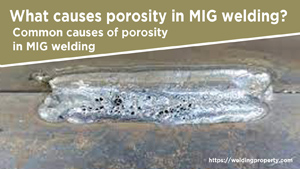
Image by welders tokentools
What Causes Spatter in MIG Welding?
Spatter happens when molten droplets of filler wire or base metal get ejected from the weld pool instead of staying where they belong. In short-circuit transfer (the most common mode for many MIG setups), the wire touches the pool, shorts out, and explodes back—launching bits of metal everywhere. Globular transfer makes it worse.
Key culprits include:
- Incorrect voltage and wire feed speed (WFS) balance
- Contaminated material or consumables
- Poor shielding gas coverage
- Wrong torch angle or stick-out
- Machine issues like bad grounding or worn parts
I’ve seen beginners crank everything to max thinking “more power equals better welds.” Pros sometimes get lazy with cleanup on a rush job. Both end up with the same mess.
Why Reducing Spatter Actually Matters in the Shop
Beyond the annoyance of picking hot metal out of your gloves, spatter affects real outcomes. It increases post-weld cleanup time dramatically—time you could spend welding more. On painted or powder-coated parts, it creates defects.
Excessive spatter can indicate unstable parameters that lead to lack of fusion, porosity, or poor penetration. In production or critical repairs, it drives up costs and risks rework or failures.
Mastering low-spatter techniques also improves your arc control, bead appearance, and overall confidence with the process.
Preparing Your Material: The Foundation of Clean Welds
Clean metal is non-negotiable. I can’t count how many times I’ve watched someone blast through mill scale or light surface rust only to fight spatter the entire bead.
What it is and how it works: Contaminants like mill scale, rust, oil, paint, grease, or even marker lines vaporize in the arc, destabilizing the weld pool and causing explosions of molten metal.
When and why to use it: Always. On new hot-rolled steel, mill scale is the biggest offender. Repair work often brings oil, dirt, or old coatings.
Practical tips:
- Use a grinder with a flap disc or wire wheel to remove mill scale and rust down to bright metal.
- Wipe down with acetone or a dedicated degreaser—avoid leaving residue.
- For production, consider anti-spatter sprays or gels on the surrounding area (not in the joint itself).
- On aluminum or stainless, solvent clean thoroughly and avoid steel wire brushes that can contaminate.
Joint preparation pays off here too. Proper fit-up reduces the need for excessive filler, which can contribute to spatter. Bevel thick plates and maintain consistent gaps.
Common mistake: Rushing cleanup on “just a little surface rust.” It always bites you.
Choosing the Right Shielding Gas for Low Spatter
Shielding gas might be the single biggest variable for spatter control after settings.
What it is and how it works: Gas protects the weld pool from atmosphere and influences arc stability and metal transfer. Pure CO2 gives good penetration but a harsher, spattery arc. Argon blends smooth things out.
When and why: For most mild steel work in the US, C25 (75% Argon / 25% CO2) is the sweet spot. It stabilizes the arc for less spatter while maintaining penetration. Pure CO2 is cheaper but expect more cleanup. For thinner material or spray transfer, higher argon mixes (like 90/10) shine.
Practical tips:
- Set flow rate to 15-25 CFH depending on draft and nozzle size. Too low: porosity and spatter. Too high: turbulence pulling in air.
- Check hoses and connections for leaks daily.
- For stainless, tri-mixes or specific blends reduce spatter further.
- In windy shops, use a gas lens or screens for better coverage.
I’ve switched jobs from pure CO2 to C25 and cut visible spatter in half immediately. Test on scrap—small changes make a big difference.
Dialing In Machine Settings: Voltage, Wire Speed, and Transfer Mode
This is where most spatter battles are won or lost.
What it is and how it works: Voltage controls arc length. Wire feed speed (WFS) controls amperage and deposition. Balance them for smooth transfer.
When and why: Short-circuit mode (common on thinner stuff) naturally has some spatter. Aim for the upper end of short-circuit or push into globular/spray for cleaner results where possible.
Practical tips and starting points (for .035″ ER70S-6 wire on mild steel, typical US machines like Miller or Lincoln):
- 1/8″ material: ~18-20V, WFS around 250-350 IPM (adjust to ~90-150A)
- 1/4″ material: ~20-22V, higher WFS
- Rule of thumb: Increase voltage if stubbing or excessive spatter. Decrease WFS if arc is too hot and erratic.
Listen to the arc: A steady “bacon frying” sound is good. Popping and snapping means adjustments needed. Test on scrap and fine-tune. Many modern machines have synergic settings—use them as a baseline then tweak.
Common mistakes: Running too much WFS for the voltage (wire piles up and explodes). Or too high voltage creating a long, unstable arc.
Wire Selection, Diameter, and Consumables
What it is and how it works: Wire diameter affects current density and transfer characteristics. Quality matters—cheap wire has inconsistent chemistry and coatings that cause spatter.
When and why: .030″ for thinner metal and lower amps. .035″ is versatile for most shop work. .045″ for thicker plates and higher deposition.
Practical tips:
- Stick with reputable brands like Lincoln, Hobart, or ESAB.
- Store wire dry and clean—rusty wire is spatter city.
- Match wire to material (ER70S-6 for general mild steel, handles some dirt better than S-3).
- Check drive rolls, tension, and liner regularly. Worn liners cause erratic feed and spatter.
- Contact tip size must match wire diameter perfectly. Replace when worn or burned.
Pro move: Keep a few diameters on hand and swap based on job thickness.
Technique: Torch Angle, Stick-Out, and Travel Speed
What it is and how it works: How you hold and move the gun directly affects pool control and gas coverage.
When and why: Poor technique turns good settings bad.
Practical tips:
- Stick-out: 3/8″ to 1/2″ max for most work. Longer increases resistance and spatter.
- Torch angle: 5-15 degrees push or drag (push often gives better coverage and less spatter).
- Travel speed: Too slow overheats and spatters. Too fast lacks fusion.
- Maintain consistent speed and distance—practice on flat scrap.
Ground clamp placement: Close to the weld, on clean metal. Poor grounding causes arc instability.
Equipment Maintenance and Troubleshooting
A well-maintained machine runs cleaner.
Key checks:
- Clean or replace liner, drive rolls, and contact tip often.
- Tighten connections.
- Check polarity (DCEP for solid wire).
- For flux-cored, settings differ and spatter is often higher—consider switching to gas if possible.
Pulsed MIG or advanced machines can dramatically cut spatter by controlling droplet transfer. If your shop has one, learn the synergic programs.
Common Settings Adjustments for Spatter
| Symptom | Likely Cause | Fix |
|---|---|---|
| Lots of popping, stubbing | Voltage too low / WFS too high | Increase volts slightly |
| Long erratic arc | Voltage too high | Decrease volts or increase WFS |
| Spatter despite good sound | Contamination or long stick-out | Clean metal, shorten stick-out |
| Excessive on thin metal | Too much heat | Lower settings, faster travel |
| Inconsistent feed | Worn consumables | Replace liner/tip/rolls |
Advanced Techniques and Shop-Proven Hacks
- Anti-spatter sprays: Great for fixtures and surrounding areas. Test compatibility with paint.
- Short bursts on thin stuff to control heat.
- For out-of-position: Lower settings and pulsed if available.
- On dirty repair jobs: .035″ or .045″ wire tolerates more contamination than thinner.
- Preheat heavy sections to stabilize the pool.
I’ve used canola oil spray on non-critical areas as a cheap trick, but proper prep is better.
Common Beginner and Pro Mistakes to Avoid
Beginners often ignore material prep and chase settings endlessly. Pros get complacent with ground placement or worn tips on deadline jobs. Both lead to frustration. Track what works in a notebook for your common materials and machines.
Step-by-Step Guide to Low-Spatter MIG Setup
- Clean your material thoroughly.
- Select appropriate wire and gas.
- Set baseline parameters from machine chart or guidelines.
- Test on scrap—adjust voltage first for arc sound, then WFS.
- Check stick-out, angle, and ground.
- Weld and observe—fine-tune on the fly.
- Clean consumables between jobs.
Reflection: Building Better Welding Habits
After years of tweaking these variables, I’ve learned that reducing spatter isn’t about one magic setting—it’s a system of good habits: clean metal, right gas, balanced parameters, solid technique, and maintained equipment. You now have the knowledge to cut your cleanup time significantly and produce professional-looking welds consistently.
Always do a quick test coupon with your exact material, thickness, and position before the real weld. Spend two minutes on scrap and save hours of grinding later. Your future self—and your paycheck—will thank you.
FAQ: Real Questions from Welders Like You
Why am I getting so much spatter even with good settings?
Usually surface contamination or consumables. Grind and wipe the joint, then check liner and tip. A dirty setup overrides perfect voltage/WFS every time.
Does wire diameter affect spatter?
Yes. Thinner wire (.030″) can be spattery at higher amps. Stepping up to .035″ often smooths things out on medium-thickness steel.
Is pulsed MIG worth it for reducing spatter?
Absolutely, especially on stainless or out-of-position work. It controls droplet transfer for noticeably cleaner results with less heat.
Can I reduce spatter with flux-cored wire?
Flux-cored is inherently spattier than solid wire with gas. Use self-shielded only when necessary, optimize settings, and accept more cleanup—or switch to gas-shielded FCAW for improvement.
What’s the best gas for minimal spatter on mild steel?
C25 (75/25 Argon/CO2) is the go-to in most US shops. It balances cost, penetration, and low spatter better than pure CO2.