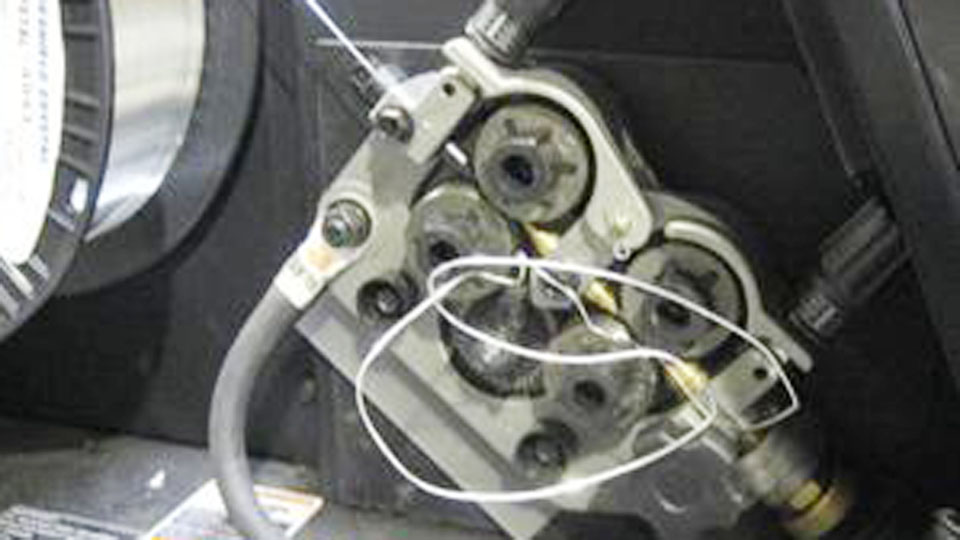
MIG welding, also known as Metal Inert Gas welding or Gas Metal Arc Welding (GMAW), is a widely used welding process that involves the use of an electric arc and a consumable wire electrode.

Photo by weldingmastermind
The wire electrode, which is continuously fed into the weld pool, serves as both the filler material and the electrode. The arc creates heat, which melts the wire and the base metal, forming a strong bond between them.
MIG welding offers several advantages, such as high welding speeds, versatility, and ease of use. One common issue that many welders face is porosity. Porosity refers to the presence of tiny cavities or voids within the weld, which can compromise its strength and integrity.
Common causes of porosity in MIG welding
Porosity in MIG welding can be caused by various factors, ranging from gas contamination to issues with wire feeding. Understanding these causes is crucial for effectively troubleshooting and preventing porosity in your welds.
Moisture and its impact on porosity
Moisture is one of the primary culprits behind porosity in MIG welding. When the shielding gas, such as argon or carbon dioxide, comes into contact with moisture, it can create tiny bubbles in the weld pool. These bubbles, when trapped within the solidifying weld metal, form porosity.
To prevent moisture-related porosity, it is essential to ensure that your shielding gas is free from any moisture or humidity. Proper storage and handling of gas cylinders, as well as using dry and clean equipment, can significantly reduce the risk of moisture contamination.
Contaminants and their role in porosity formation
Contaminants, such as oil, grease, dirt, and paint, can also contribute to porosity in MIG welding. When these impurities come into contact with the weld pool, they can create gas pockets, leading to porosity.
To minimize the risk of contaminants causing porosity, it is crucial to thoroughly clean the base metal before welding. Use appropriate cleaning agents and techniques to remove any oil, grease, or other surface contaminants that could compromise the weld quality.
Incorrect shielding gas usage and porosity
Improper usage of shielding gas can also result in porosity. Inadequate gas flow or an incorrect gas mixture can lead to insufficient shield coverage, leaving the weld exposed to air. This exposure to air can introduce oxygen and other gases into the weld pool, causing porosity.
To prevent gas-related porosity, ensure that you are using the correct shielding gas for the specific welding application. Follow the manufacturer’s recommendations for gas flow rates and ensure that your gas supply is clean and free from any impurities.
Welding wire and electrode selection for porosity prevention
The type and quality of welding wire and electrodes can also play a significant role in preventing porosity. Using low-quality or contaminated wire can introduce impurities into the weld pool, leading to porosity.
Ensure that you are using high-quality welding wire and electrodes that are specifically designed for the type of metal you are welding. Check for any signs of contamination or damage on the wire before use.
Using the correct wire diameter and contact tip size for your welding application is also crucial to ensure proper wire feeding and minimize the risk of porosity.
Proper welding technique to avoid porosity
In addition to addressing the various causes of porosity, proper welding technique is essential for achieving porosity-free welds. Here are some key considerations:
Maintain the correct welding parameters, including voltage, current, and wire feed speed, as recommended by the welding procedure specifications (WPS). Deviating from these parameters can increase the risk of porosity.
Maintain a consistent travel speed and angle during welding. Inconsistent travel speed or improper torch angle can disturb the shielding gas coverage, leading to porosity.
Ensure proper joint preparation and fit-up. Inadequate joint penetration or gaps between the base metal can increase the risk of porosity.
Use a suitable welding technique, such as a push or pull technique, based on the welding position and joint configuration. Improper technique can lead to inadequate gas coverage and porosity.
Troubleshooting tips for porosity issues in MIG welding
Despite taking preventive measures, porosity can still occur. Here are some troubleshooting tips to identify and rectify porosity issues:
Inspect your welding equipment, including the gas supply system, for any leaks or malfunctions. Address any issues promptly to ensure proper shielding gas coverage.
Check the cleanliness of your welding wire and electrodes. Remove any contaminants or damaged sections before use.
Review your welding technique and parameters. Ensure that you are following the correct procedures and making any necessary adjustments.
Consider using alternative shielding gas mixtures or welding wires that are specifically formulated to minimize porosity.
Addressing porosity in MIG welding
Porosity can be a frustrating problem in MIG welding, compromising the strength and reliability of your welds. By understanding the root causes of porosity and implementing preventive measures, you can significantly reduce the risk of porosity and achieve high-quality welds.
Addressing porosity is crucial for ensuring the integrity and longevity of welded structures. Weak or porous welds can lead to structural failures, safety hazards, and costly repairs.
By taking the time to troubleshoot and prevent porosity, you can enhance the overall quality and performance of your MIG welding projects.