Ever thought about combining stainless steel’s strength with mild steel’s cost-effectiveness? MIG welding makes it possible, offering a way to join these metals with ease. But what do you need to know for this unique welding task? Let’s dive into the world of MIG welding stainless steel to mild steel. We’ll uncover the secrets to creating strong, corrosion-resistant welds that last.

Image by reddit.com/r/Welding
Basics of Dissimilar Metal Welding
Welding stainless steel to mild steel is a common challenge in mixed metal fabrication. These metals have different properties that make joining them complex. Let’s look at the main differences between stainless steel and mild steel.
Properties of Stainless Steel vs. Mild Steel
Stainless steel, like 316 stainless, has chromium, nickel, and other elements. This makes it resistant to corrosion and durable. Mild steel, like A36 steel, is cheaper and has lower corrosion resistance but is stronger and more flexible.
Challenges in Mixed Metal Fabrication
Welding stainless steel to mild steel faces challenges like thermal expansion and melting point differences. Also, there’s a risk of forming brittle compounds. To overcome these, proper joint prep, filler metal choice, and controlled welding are key.
Why Choose MIG Welding for Different Metals
MIG welding is the top choice for joining stainless steel and mild steel. It offers great control over the welding process. This allows for precise heat input and the right filler metals, making MIG welding ideal for 316 stainless to a36 steel, stainless-carbon steel joining, and other mixed metal fabrication tasks.
Essential Equipment and Materials Needed
MIG welding stainless steel to mild steel requires the right tools and materials. This ensures high-quality results. Let’s explore the key items you’ll need for this project.
MIG Welder
A reliable MIG welder is the base of your setup. Choose a machine that can handle the power needed for welding stainless steel to mild steel. Look at amperage output, voltage control, and duty cycle to make sure it’s up to the task.
Shielding Gas
Choosing the right shielding gas is crucial for welding dissimilar metals. A mix of argon and carbon dioxide (Ar/CO2) works well. It gives great arc stability and penetration for stainless steel and mild steel.
Filler Wire
The filler wire you pick affects the weld’s strength and look. For this job, use a 316L stainless steel wire. It’s great for corrosion resistance and works well with both stainless steel and mild steel.
Personal Protective Equipment (PPE)
Protect yourself with the right PPE. You’ll need a welding helmet, heat-resistant gloves, a flame-resistant jacket, and steel-toed boots. These items keep you safe from heat, sparks, and other hazards of MIG welding. With this essential equipment and materials, you’re ready to start your MIG welding project. You’ll work with confidence and achieve great results.
Selecting the Right Filler Metal for Your Project
Choosing the right filler metal is key when welding stainless steel to mild steel. It’s important to think about the grades of steel you’re working with. Also, consider what you want the weld to look like and how it will hold up.
316L Filler Wire Specifications
316L stainless steel wire is a top pick for welding stainless to mild steel. It’s great because it resists corrosion well. It’s good for many uses. Here’s what it’s made of:
- Chromium content: 16-18%
- Nickel content: 10-14%
- Molybdenum content: 2-3%
- Carbon content:
Wire Diameter Selection
The size of the filler wire is also important. The right size depends on the metal thickness, welding method, and the look you want. Thicker metals need bigger wire, while thinner ones can use smaller wire.
Compatible Filler Metals Chart
| Stainless Steel Grade | Mild Steel Grade | Recommended Filler Metal |
|---|---|---|
| 304 / 304L | A36 | ER308L / ER309L |
| 316 / 316L | A36 | ER316L |
| 430 | A36 | ER410 |
This chart helps pick the right filler metal for different stainless and mild steel grades. Always check with your welding supplier or industry standards for the best choice for your project.
Proper Gas Selection and Shielding Techniques
Choosing the right shielding gas is key when welding stainless steel to mild steel. The gas protects the weld pool from air, preventing defects. These defects can weaken the joint. A mix of argon and carbon dioxide (Ar/CO2) is great for this job. It creates a stable arc and offers intermix gas shielding. This mix also reduces corrosion resistance weld problems.
- Argon (Ar) – Provides a stable, penetrating arc and helps to prevent porosity.
- Carbon Dioxide (CO2) – Enhances the fluidity of the weld pool, improving bead appearance and corrosion resistance weld characteristics.
It’s important to keep the gas flow right and make sure it covers the weld area evenly. Aim for a flow rate of 15-25 CFH. Adjust this as needed based on your welding setup and the environment.
“Proper gas selection and shielding techniques are critical for producing high-quality, corrosion-resistant welds when joining stainless steel to mild steel.”
By using the best intermix gas shielding and the right gas mix, you can avoid defects. This ensures your mixed metal projects last long and resist corrosion well.
Mig Welding Stainless Steel to Mild Steel: Step-by-Step Process
MIG welding stainless steel to mild steel can be a challenge. But with the right steps, you can make strong and durable welds. I’ll show you how to do it right, step by step.
Surface Preparation Guidelines
Cleaning the surfaces is key for a strong weld. Start by cleaning both metals with a degreaser. Then, sand the welding areas to make them smooth.
Temperature Control Methods
Keeping the temperature right is important. Heat the mild steel to 150-200°F (65-93°C) before welding. Don’t overheat the stainless steel by using short welding passes and letting it cool.
Proper Technique and Travel Speed
- Use pulsed spray transfer for a stable arc and control.
- Travel at 10-15 inches per minute (25-38 cm/minute) for good fusion.
- Hold the MIG gun at 30-45 degrees and 1/2 inch (12 mm) from the workpiece.
- Overlap each pass by 50% for a smooth weld.
Follow these tips to make top-notch welds between stainless steel and mild steel in your projects.
Common Issues and Troubleshooting
Working with MIG welding stainless steel to mild steel can be tricky. As an experienced welder, I’ve found that tackling these problems early on is key. This way, you can create strong, lasting joints between different metals. Let’s look at some common issues and how to fix them.
Porosity and Inclusions
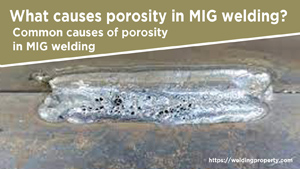
Porosity and inclusions are big worries in dissimilar metal welding. These problems can come from bad shielding gas, dirty surfaces, or not cleaning enough. To avoid these, make sure to clean the surface well, use the right shielding gas, and weld correctly.
Cracking and Distortion
Welding stainless steel to stainless-carbon steel joining can cause cracks or distortion. This usually happens because the metals expand and contract differently. To fix this, design your joints well, preheat, and cool them down right after welding.
Weld Bead Appearance
Getting the weld bead to look right can be hard with different metals. You might see uneven shapes, bad wetting, or color changes. Adjusting your welding settings can help make the weld bead look better.
Fixing dissimilar metal welding problems takes time and effort. But with the right knowledge and techniques, you can make strong, lasting welds between stainless steel and mild steel.
Ensuring Corrosion Resistance in Mixed Metal Welds
When you weld stainless steel to mild steel, keeping it from corroding is key. You need to treat the weld right after and avoid galvanic corrosion. This keeps your mixed metal projects strong and safe.
Post-Weld Treatment Options
There are a few ways to make your mixed metal welds more resistant to corrosion:
- Passivation: This treatment removes iron and other dirt, creating a protective layer on stainless steel.
- Electropolishing: It smooths the weld area, reducing spots where corrosion can hide.
- Anodizing: This method adds a tough, protective layer to aluminum, stopping corrosion.
Preventing Galvanic Corrosion
Galvanic corrosion happens when different metals, like stainless steel and mild steel, touch and get wet. To stop this, try these steps:
- Insulate the Metals: Use non-conductive parts to keep the metals apart.
- Apply Protective Coatings: Use paints or sealants to block the metals from each other.
- Prioritize Cathodic Protection: Use a sacrificial anode or impressed current system to protect the mild steel.
Using these treatments and prevention methods helps keep your mixed metal fabrication projects safe from corrosion. This ensures they last a long time.
Best Practices for Quality Control
As an expert in MIG welding stainless steel to mild steel, I know how crucial quality is. I follow a detailed quality control plan. This plan includes several important steps. I carefully check each weld for any visual issues. I look for proper bead formation and good fusion between the metals. This helps me catch problems early on.
I also use non-destructive tests like dye penetrant and magnetic particle testing. These tests find hidden flaws or weaknesses in the weld. This way, I’m sure the welds are up to the highest standards. While welding, I keep detailed records of important settings. I note the current, voltage, travel speed, and gas flow rate. Keeping these records helps me solve problems and ensures I can repeat successful welds in the future.
FAQ
What are the key differences between stainless steel and mild steel that I need to consider when MIG welding them together?
Stainless steel and mild steel are quite different. Stainless steel has more chromium, making it resistant to corrosion but harder to weld. Mild steel warps and distorts more when welded. Knowing these differences is key when trying to weld these metals together.
Why is MIG welding the preferred method for joining stainless steel to mild steel?
MIG welding is preferred for many reasons. It’s semi-automatic, offering better control and consistency. It also allows for various filler wire types, making it versatile for mixed metal projects.
What type of filler wire should I use when MIG welding stainless steel to mild steel?
For welding stainless steel to mild steel, use 316L stainless steel filler wire. It’s corrosion-resistant and bridges the gap well. Choose the right wire diameter for your project’s thickness for a strong weld.
How do I prevent corrosion in my mixed metal welds?
To prevent corrosion, use a shielding gas with more argon. This helps avoid galvanic corrosion. Post-weld treatments like passivation also help keep the weld corrosion-resistant.
What are some common issues I might encounter when MIG welding stainless steel to mild steel, and how can I troubleshoot them?
Issues like porosity, cracking, and distortion are common. Porosity comes from bad shielding or dirty metals. Cracking is due to thermal stress or bad joint prep. Distortion can be fixed with proper clamping and heat control.
Watch your welding settings and follow best practices to solve these problems.