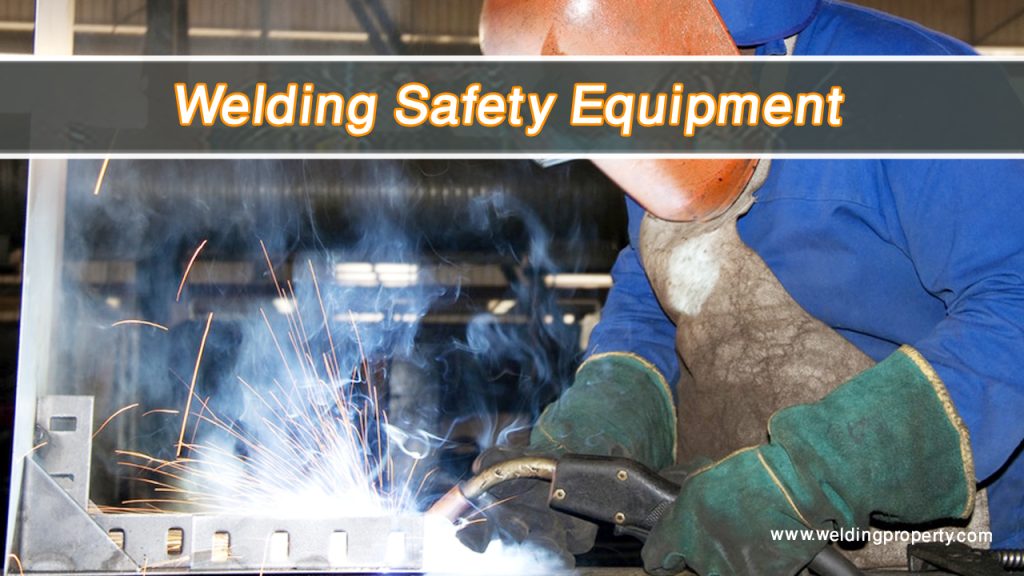
Welding is a powerful and versatile trade, but it’s not without its hazards. From high temperatures to intense light, flying sparks, and hazardous fumes, there are plenty of risks to account for. That’s why personal protective equipment (PPE) is such a big deal in welding. Having the right PPE on hand keeps welders safe and ensures they can work effectively without risking injury. Let’s go over the 10 essential pieces of PPE you’ll need for welding and what each of them does.

Image by maxi-seal
1. Welding Helmet – Eye and Face Protection
If there’s one piece of PPE that defines a welder, it’s the helmet. Welding helmets are essential because they protect the eyes and face from the intense light and UV rays generated by the welding arc. Without a helmet, exposure to these bright arcs can lead to a painful condition called “arc eye” or “welder’s flash.”
Modern helmets often come with auto-darkening lenses that adjust to the light level instantly, allowing you to see the workpiece clearly when the arc isn’t active, while still protecting your eyes once the arc strikes. When choosing a welding helmet, look for one with a shade level appropriate to your specific type of welding.
2. Safety Glasses – Extra Eye Protection
Underneath the welding helmet, safety glasses are still a must. They provide an additional layer of protection against flying debris, sparks, or chips from grinding. Sometimes sparks can make their way around the helmet, so wearing safety glasses with side shields adds a layer of security.
These glasses also help protect your eyes when the helmet is lifted or when you’re working in the shop without the arc being active. Make sure the glasses you choose are shatter-resistant and approved for industrial use.
3. Welding Gloves – Hand and Wrist Protection
A good pair of welding gloves is essential. These gloves are designed specifically to protect your hands and wrists from extreme heat, sparks, and splatter. They’re made from heat-resistant materials like leather and are often padded for extra comfort.
Different welding processes require different glove types. For example, TIG welding gloves are thinner to provide more control and dexterity, while MIG and stick welding gloves are usually thicker to offer better heat protection.
4. Flame-Resistant Jacket – Upper Body Protection
A welding jacket protects your upper body from sparks, splatter, and heat. The most common materials for these jackets are leather or specially treated cotton that resists flames. While leather jackets are highly protective, they can be heavy and hot.
If you’re working in a warmer environment, a flame-resistant cotton jacket might be more comfortable, though it won’t offer as much heat protection as leather. Flame-resistant jackets should cover your arms completely and fasten securely to prevent any sparks from getting inside.
5. Welding Apron – Torso Protection
If a full jacket feels too hot or heavy, especially for lighter welding tasks, a welding apron can be a great alternative. Aprons typically cover the front of the body and hang from the neck down to the knees. They are made from flame-resistant materials like leather or Kevlar.
Welding aprons are popular for jobs that involve a lot of standing or less intense welding, as they allow for a bit more airflow while still providing solid protection to the torso and thighs.
6. Welding Respirator – Protection from Fumes
Welding generates fumes and gases that can be hazardous if inhaled Especially in poorly ventilated spaces. A welding respirator is designed to filter out these harmful particles and gases, protecting your lungs from long-term exposure.
Depending on your specific needs, you can find respirators that fit underneath a welding helmet or standalone options with higher filtration levels. Look for respirators with ratings like N95 or P100, which indicate how effectively they filter out airborne particles.
7. Ear Protection – Guarding Against Noise
Welding can be a noisy process, especially when you’re working with heavy equipment or metal grinding. Exposure to loud sounds can cause hearing damage or loss, so ear protection is essential. Earplugs or earmuffs work well here.
Some welders prefer earplugs because they’re small and can fit comfortably under a helmet. For louder environments, earmuffs are often a better choice, as they provide more comprehensive coverage.
8. Flame-Resistant Pants – Lower Body Protection
Protecting your legs from sparks and splatter is just as important as safeguarding your upper body. Flame-resistant pants are designed to resist ignition if they come into contact with sparks or hot metal. Avoid regular jeans or synthetic materials, as they can catch fire or melt, which could lead to severe burns.
Look for pants that cover down to your boots, and choose flame-resistant materials such as treated cotton or heavy denim. Leather chaps are an option for extra protection, but they can be heavier and might feel restrictive in some settings.
9. Steel-Toe Boots – Foot Protection
When welding, sturdy footwear is a must, and steel-toe boots offer the level of protection needed. Steel toes help guard against heavy objects falling on your feet, while the overall construction of these boots provides a barrier against sparks and hot metal.
Many steel-toe boots are also slip-resistant, which can help prevent accidents in environments where oils or lubricants are used. Some welding-specific boots come with metatarsal guards that protect the top of the foot from heat and impact, which is especially helpful for heavy-duty tasks.
10. Welding Cap or Bandana – Head and Hair Protection
Welding caps or bandanas are often overlooked, but they play a crucial role in keeping welders safe and comfortable. These caps cover the top of your head and help protect your scalp from sparks and heat. They’re typically made from flame-resistant materials and can fit comfortably under a welding helmet.
Beyond protection, welding caps can help absorb sweat, keeping you comfortable during long welding sessions. Some welders even choose caps with a bit of extra material on the back to protect their neck from sun or arc burns.
Comparison of 10 Essential Welding PPE and Their Uses
Here’s a quick summary of the 10 essential PPE items for welding and what each one does:
| PPE Item | Purpose | Key Features |
|---|---|---|
| Welding Helmet | Protects eyes and face from UV light and arc radiation | Auto-darkening, shade level adjustment |
| Safety Glasses | Extra eye protection against debris and UV rays | Shatter-resistant, side shields |
| Welding Gloves | Hand and wrist protection from heat and sparks | Leather, heat-resistant, padded |
| Flame-Resistant Jacket | Shields upper body from sparks and heat | Leather or FR-treated cotton, full arm coverage |
| Welding Apron | Protects torso from sparks and hot metal | Flame-resistant, covers front body |
| Respirator | Filters harmful fumes and gases | N95 or P100 filtration, compact design |
| Ear Protection | Guards against hearing damage | Earplugs or earmuffs, noise-canceling options |
| Flame-Resistant Pants | Lower body protection from splatter | Treated cotton or denim, full-length coverage |
| Steel-Toe Boots | Protects feet from falling objects and sparks | Steel toe, slip-resistant, heat-resistant |
| Welding Cap or Bandana | Protects head and scalp, absorbs sweat | Flame-resistant, fits under helmet, covers neck |
Why is PPE Important in Welding?
You might wonder if all this gear is really necessary, and the short answer is yes. Welding poses a unique set of risks that go beyond just getting burned. Here’s a quick look at why PPE is essential:
- Prevents Eye Damage: The UV radiation from a welding arc can cause severe eye injuries.
- Reduces Burns: Protective clothing and gloves prevent direct contact with heat and hot metal.
- Protects Lungs: Respirators filter out fumes that, if inhaled, could cause respiratory issues.
- Prevents Hearing Loss: Welding can be loud, especially with grinding and heavy machinery, so ear protection helps preserve your hearing.
- Increases Comfort and Efficiency: When you’re comfortable, you can work longer and more efficiently without worrying about injuries.
Final Thoughts
Welding is a rewarding and essential trade, but it demands respect for safety. The right PPE doesn’t just help you do the job; it helps you do it safely, reducing the risk of injury and ensuring you’re prepared for the challenges welding can bring. If you’re a professional welder or someone just learning the craft, taking PPE seriously is a must.