I’ve seen too many good welders sidelined by preventable injuries—flash burns that swell eyes shut for days, sparks eating through a favorite shirt, or worse, a shop fire from overlooked slag. If you’re searching “which of the following is a tip for welding safety,” you’re already thinking right.
Safety isn’t a checkbox; it’s the foundation that lets you focus on clean beads, proper penetration, and getting the job done without rework or regret.
In my years running beads on everything from thin auto body panels to heavy structural repairs in US shops, one truth stands out: the welders who last are the ones who treat safety like part of their technique. Let’s break down the real-world tips, processes, and habits that matter on the floor.
Image by weldtechnologies
Why Welding Safety Matters More Than Most Realize
A split-second lapse can end your day—or your career. Arc flash can damage eyes permanently. Fumes build up fast in a garage or confined space. Hot work creates fire risks that linger after you power down.
Proper safety directly improves weld quality too: clear vision means better puddle control, dry gloves prevent shocks that jerk your hand, and good ventilation keeps your head clear for steady travel speed.
Beginners often chase perfect settings while skipping PPE. Pros sometimes get complacent on routine jobs. Both paths lead to the same shop stories we’d rather avoid.
Core PPE: Your First and Last Line of Defense
What proper PPE includes and why each piece counts
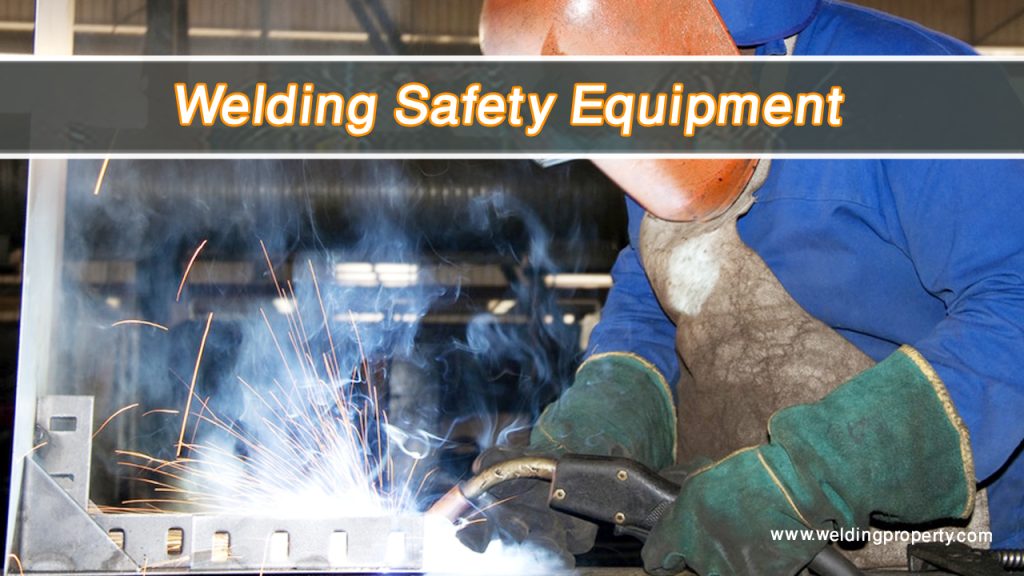
Start with your eyes and head. A quality auto-darkening helmet with the right shade (typically 9–13 depending on amperage) protects against UV and IR radiation. Shade 10 works for most 50–150 amp work; go darker for higher outputs.
Leather gloves rated for welding resist sparks and heat while maintaining dexterity. Flame-resistant jackets or leathers with no cuffs that trap slag. High-top leather boots—never canvas sneakers that melt or let sparks in. Add a welding cap or beanie to protect your scalp.
When and why to upgrade your gear
Use fresh, dry gloves every session. Check your helmet lens for scratches that distort the arc. For MIG or flux-core in windy outdoor setups, add a shroud or screen. In fabrication shops, I always layer a cotton shirt under leathers—synthetics like polyester melt onto skin.
Practical tip from the booth
Keep a spare pair of gloves in your box. Nothing kills momentum like hunting for dry ones mid-job. Inspect seams before big projects; a small tear becomes a big burn fast.
Fire Prevention and Hot Work Basics
Understanding the fire triangle in welding contexts
Oxygen, fuel, and ignition source. Your arc or torch provides the spark. Shop clutter, flammable solvents, or sawdust provide fuel. Proper precautions remove or isolate them.
How to set up a safe work area
Move the workpiece to a clear metal table if possible. If not, clear a 35-foot radius of combustibles or cover with fire blankets. Keep a charged ABC extinguisher within arm’s reach and a 5-gallon bucket of water or sand nearby. Assign a fire watch for at least 30 minutes after finishing—hidden embers in cracks cause most post-weld fires.
Common mistakes even experienced welders make
Leaving slag or stubs on the floor that smolder. Coiling cables around your body (creates inductive heating). Welding near gas cylinders without securing them upright and away from the arc.
Step-by-step hot work checklist
- Inspect area for hazards.
- Secure cylinders.
- Remove or protect flammables.
- Have extinguisher ready.
- Notify others.
- Post fire watch.
Ventilation and Fume Management
Why breathing zone control beats general shop fans
Welding fumes contain manganese, hexavalent chromium, and other nasties depending on base metal and process. OSHA requires keeping exposure below permissible limits—no safe “little bit” over time.
Practical setups for garage and shop welders
Position a fume extractor or flexible arm hood so it pulls fumes away from your face without disrupting shielding gas. For outdoor MIG, work upwind. In confined spaces like tanks or truck beds, use supplied-air systems or proper respirators—never rely on “it’ll dissipate.”
Material-specific notes
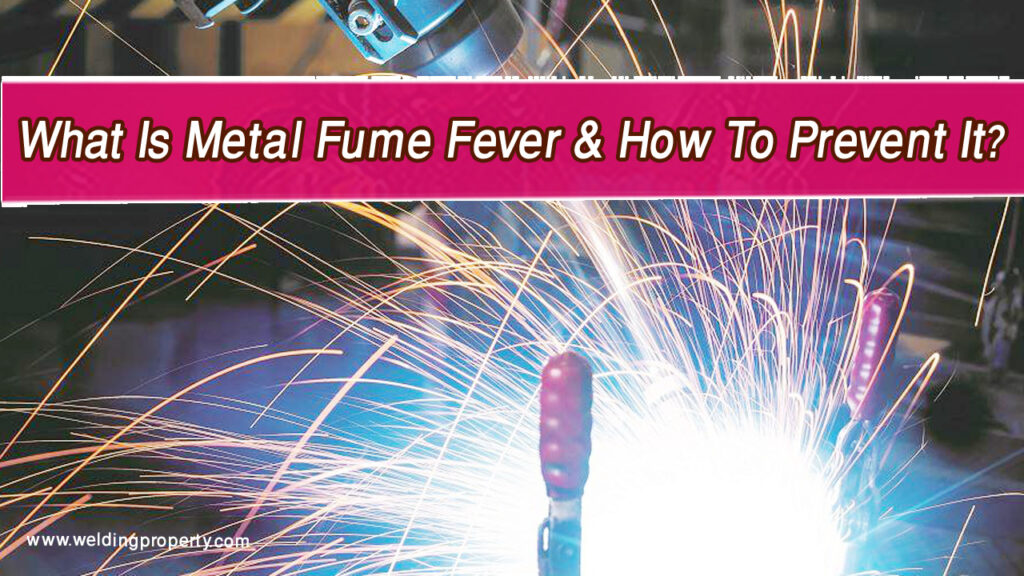
Stainless and aluminum produce more irritating fumes. Galvanized steel releases zinc oxide—causing metal fume fever that feels like the worst flu. Grind coatings off first when possible.
Tip for consistent results
Clean metal before welding not just for penetration but for cleaner air. Less mill scale and oil means fewer volatile compounds in the plume.
Electrical Safety and Shock Prevention
How electricity behot” whenever the machine is on. Sweat, damp floors, or damaged cables turn you into a path to ground.
Machine and setup best practices
Use dry, intact cables. Keep work clamp close to the weld zone for good return path and less voltage drop. Avoid standing in water or on conductive grates. For SMAW, don’t rest the stinger on the table while powered up.
Common beginner errors
Using extension cords too small for the amperage—causing overheating. Ignoring machine warnings about duty cycle, leading to internal shorts.
Pro technique
Route cables overhead or along walls to prevent tripping and damage from sparks or trucks rolling over them.
Process-Specific Safety: SMAW, MIG, TIG, and Beyond
SMAW (Stick) nuances
Electrode selection and amperage for safe, controlled arcs
Match rod diameter to material thickness. A 1/8″ 7018 typically runs 90–150 amps on mild steel. Too high causes excessive spatter and undercut; too low leads to sticking and poor fusion.
Common rods:
- E6010/6011: 3/32″ ~ 40–90 amps; deep penetration, all-position.
- E7018: Low hydrogen, 1/8″ ~ 90–150 amps; excellent for structural.
Joint prep and handling
Remove rust, oil, and paint. Bevel thick plates for better access and fusion. Store low-hydrogen rods in a rod oven to prevent moisture pickup that causes porosity and hydrogen cracking.
MIG/Flux-Core tips
Watch contact tip to work distance (CTWD) — usually 3/8″ to 3/4″. Proper voltage and wire speed prevent burn-back or excessive spatter that rains down. Use self-shielded flux-core outdoors but still prioritize ventilation.
TIG considerations
Clean tungsten and base metal religiously. High-frequency starts reduce tungsten inclusion risks. Argon flow at 15–20 CFH typical—too much creates turbulence and sucks in air.
Amperage, Settings, and Weld Quality Link to Safety
Dialing in settings reduces spatter and unstable arcs that increase burn risk. For 1/8″ mild steel with 7018, start around 110–130 amps and adjust by watching the puddle. A convex bead with good tie-in usually means you’re in the zone.
Quick reference table for common SMAW settings (mild steel, DC+)
- 3/32″ 6010: 50–90 amps
- 1/8″ 6010: 90–140 amps
- 1/8″ 7018: 90–150 amps
- 5/32″ 7018: 120–200 amps approx.
Test on scrap. Listen for a crisp frying sound, not popping or hissing.
Material Compatibility and Preparation
Always match filler to base metal. ER70S-6 wire for mild steel MIG. 4043 or 5356 for aluminum TIG depending on alloy. Preheat thicker sections or high-carbon steels to reduce cracking risk—another safety factor since cracked welds fail under load.
Grind joints to bright metal. Bevel for thicknesses over 1/4″. Use clamps to control distortion, which can spring back and pinch fingers.
Common Mistakes and How to Avoid Them
- Ignoring duty cycle: Overheating machines lead to failures mid-weld.
- Poor housekeeping: Tripping over leads or stepping on hot stubs.
- Rushing setup: Skipping PPE because “it’s just a quick tack.”
- Wrong polarity: Causes unstable arc, more spatter, and frustration.
- Welding without checking gas: Leads to contaminated welds and wasted time.
Building Safe Habits That Last
Treat every weld like a test. Develop a pre-weld routine: PPE check, area sweep, machine inspection, settings verification. Post-weld: clean your station, inspect for hidden heat.
Taking It to the Next Level
The best welders I know combine technical skill with situational awareness. They anticipate how wind affects gas coverage, how humidity affects rods, and how fatigue changes reaction time.
Develop “arc sense”—the ability to hear and see when something’s off before it becomes a problem. Pair that with never welding alone on big jobs. A second set of eyes for fire watch or quick help makes all the difference.
You’ve now got the framework: proper gear, smart setup, process knowledge, and disciplined habits. Apply these and you’ll not only answer “which of the following is a tip for welding safety” correctly on any quiz—you’ll live them every day in the shop.
Your welds will look better, your body will thank you, and you’ll build projects with confidence instead of crossing fingers.
FAQ: Real Welding Safety Questions Answered
What is the most important welding safety tip for beginners?
Wear full PPE every single time, especially the helmet and gloves. Eye damage is cumulative and permanent. Start every session by checking your gear before striking an arc.
How do I choose the right amperage for safe stick welding?
Refer to manufacturer ranges on the rod box, then test on scrap. Aim for a stable arc with good puddle control. Adjust down for vertical/overhead to control the molten pool and prevent drips.
Is ventilation really necessary for outdoor welding?
Yes. Wind can blow fumes back into your breathing zone. Position yourself upwind and use a respirator for coated materials or long sessions.
What should I do if I get flash burns?
Flush eyes with cool water or saline immediately. Seek medical help—UV damage can feel like sand in your eyes hours later. Prevention beats treatment.
Can I weld galvanized steel safely?
Only after removing the coating in the joint area. Grind or wire brush thoroughly and use extra ventilation or a respirator—zinc fumes cause serious flu-like symptoms.