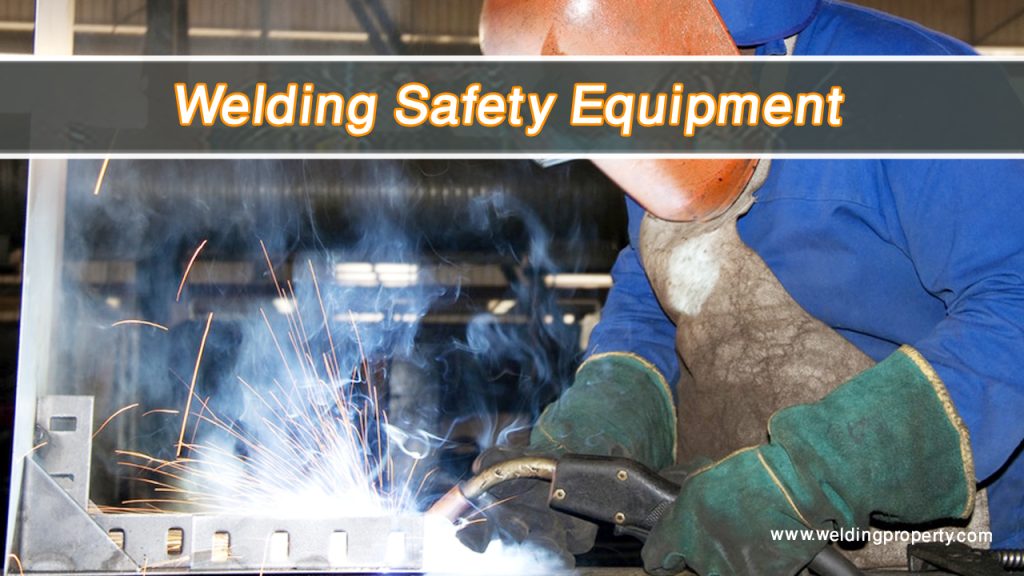
Metal fume fever is a type of metal poisoning. Prevent it by using proper ventilation and personal protective equipment.
Metal fume fever, also known as “zinc shakes,” is a condition caused by inhaling metal fumes, commonly seen in workers exposed to welding or smelting processes.
Image by thefabricator
Symptoms include fever, headache, and muscle aches, typically lasting for 24-48 hours. Prevention involves using respiratory protection, working in well-ventilated areas, and minimizing exposure to metal fumes.
Educating workers on the risks and implementing safety protocols are crucial steps in preventing metal fume fever and ensuring a safe work environment.
Metal Fume Fever
Metal Fume Fever, also known as Welder’s Fever or Brass Founder’s Ague, is a condition that occurs when individuals are exposed to the fumes generated by welding or heating certain metals.
It is caused by the inhalation of metal oxide particles and can lead to a range of symptoms that can be uncomfortable and debilitating.
It is important for individuals working in occupations at risk to be aware of the symptoms and take preventive measures to avoid this condition.
We will explore the symptoms and signs of Metal Fume Fever, as well as the occupations that are particularly at risk. We will also provide essential tips on how to prevent Metal Fume Fever, ensuring a safe working environment.
Symptoms And Signs
Metal Fume Fever can present a variety of symptoms that typically develop within a few hours of exposure to metal fumes. These symptoms may include:
- Headache
- Fever
- Chills
- Shortness of breath
- Chest pain
- Fatigue
- Muscle aches
- Nausea
- Vomiting
These symptoms can vary in severity and duration, with some individuals experiencing mild discomfort while others may have more severe reactions. It is essential to recognize these signs to seek appropriate medical attention and prevent further complications.
Occupations At Risk
Various occupations are at an increased risk of Metal Fume Fever due to the nature of their work. These occupations include:
| Occupation | Risk Level |
|---|---|
| Welders | High |
| Foundry workers | High |
| Metal fabricators | Moderate |
| Blacksmiths | Moderate |
| Construction workers | Low |
| Plumbers | Low |
It is crucial for individuals in these occupations to be aware of the risks associated with metal fume exposure and take appropriate precautions to minimize their exposure.
How To Prevent It?
Preventing Metal Fume Fever involves implementing effective safety measures to minimize exposure to metal fumes. Here are some essential tips to prevent this condition:
- Ensure proper ventilation in the workspace to remove fumes and maintain fresh air circulation.
- Wear appropriate personal protective equipment (PPE), such as respirators, to filter out metal fumes.
- Use local exhaust ventilation systems to capture and remove fumes at the source.
- Follow recommended work practices, such as avoiding overheating metals and ensuring proper cleaning and maintenance of equipment.
- Regularly monitor air quality in the workplace to ensure it meets safety standards.
- Provide adequate training and education to workers on the risks of metal fume exposure and the proper use of protective measures.
- Encourage regular breaks and rotation of tasks to minimize prolonged exposure.
By implementing these preventive measures, individuals can significantly reduce the risk of Metal Fume Fever and create a safer working environment.
Science Behind Metal Fume Fever
Metal fume fever is a condition caused by inhaling metal fumes, commonly seen in welders. Symptoms include fever, chills, and muscle aches. To prevent it, workers should use proper ventilation, wear respiratory protection, and take regular breaks in fresh air.
Adequate training and awareness are crucial for avoiding this occupational hazard.
Metal fume fever is an occupational illness that affects workers who inhale metal fumes, which can lead to a range of symptoms, including fever, chills, fatigue, and muscle aches. The illness is caused by the inhalation of metal fumes, which contain various toxic metals.
We will discuss the science behind metal fume fever, including the toxic metals involved and the pathophysiology of the illness.
Toxic Metals Involved
Metal fume fever can be caused by the inhalation of fumes from a variety of metals, including zinc, copper, magnesium, and iron.
These metals are commonly used in a range of industries, including welding, metalworking, and soldering. When these metals are heated, they can release fumes that, when inhaled, can cause metal fume fever.
Pathophysiology
The pathophysiology of metal fume fever is not fully understood, but it is believed to be caused by the inhalation of metal fumes, which can irritate the respiratory tract and cause inflammation.
This inflammation can lead to a range of symptoms, including fever, chills, fatigue, and muscle aches. The symptoms typically appear within a few hours of exposure to the fumes and can last for several days.
To prevent metal fume fever, it is essential to take appropriate safety measures, such as wearing protective equipment, working in well-ventilated areas, and avoiding exposure to metal fumes whenever possible.
By understanding the science behind metal fume fever, workers can take steps to protect themselves and prevent this potentially serious occupational illness.
Diagnosis Of Metal Fume Fever
Metal fume fever, also known as brass founders’ ague or Monday morning fever, is an acute illness caused by the inhalation of metal fumes.
The diagnosis of metal fume fever involves a combination of clinical assessment and laboratory tests to identify the presence of the condition and rule out other potential causes of the symptoms.
Clinical Assessment
Clinical assessment of metal fume fever involves evaluating the patient’s symptoms and medical history. Healthcare providers will inquire about exposure to metal fumes and the onset of symptoms. Physical examination may reveal signs such as fever, chills, headache, and general malaise.
Laboratory Tests
Laboratory tests play a crucial role in diagnosing metal fume fever. Blood tests may indicate an increase in inflammatory markers such as white blood cell count and C-reactive protein.
Arterial blood gas analysis can reveal respiratory alkalosis, and chest X-rays may be performed to assess lung involvement.
Comparing Metal Fume Fever To Other Conditions
Metal Fume Fever is a condition caused by inhaling metal fumes, leading to flu-like symptoms. To prevent it, workers should use proper ventilation and protective equipment. Comparing it to other conditions, Metal Fume Fever is unique due to its specific cause and preventive measures.
Differential Diagnosis
Metal fume fever is a condition that can often be mistaken for other illnesses due to its similar symptoms. It is important to properly differentiate metal fume fever from other conditions to ensure accurate diagnosis and appropriate treatment. Let’s take a closer look at some of the conditions that are commonly confused with metal fume fever.
Common Misconceptions
There are several misconceptions surrounding metal fume fever that can lead to confusion and misdiagnosis. It is crucial to address these misconceptions to prevent unnecessary anxiety and ensure proper understanding of the condition. Let’s debunk some of the common misconceptions associated with metal fume fever.
| Misconception | Fact |
|---|---|
| Metal fume fever is a type of influenza. | Metal fume fever is not caused by a viral infection, but rather by exposure to metal fumes or vapors. |
| Metal fume fever only affects individuals working in industrial settings. | While it is more common among workers exposed to metal fumes, anyone who inhales these fumes can develop metal fume fever. |
| Metal fume fever is a chronic condition. | Metal fume fever is an acute condition that typically resolves within 24 to 48 hours. |
Preventing Metal Fume Fever
To prevent metal fume fever, it is crucial to take appropriate precautions when working with or near metal fumes. Here are some effective preventive measures:
- Ensure proper ventilation in work areas to minimize exposure to metal fumes.
- Wear personal protective equipment, such as respiratory masks and gloves, to reduce inhalation and skin contact with metal particles.
- Follow recommended safety guidelines and protocols when handling and welding metals.
- Take regular breaks in fresh air to reduce prolonged exposure to metal fumes.
- Stay hydrated and maintain a healthy immune system to minimize the risk of developing metal fume fever.
By understanding the differential diagnosis of metal fume fever and debunking common misconceptions, we can ensure accurate diagnosis and appropriate treatment for individuals experiencing symptoms related to metal exposure.
Additionally, by implementing preventive measures, we can minimize the risk of developing metal fume fever and promote a safer working environment. Remember, awareness and proactive actions are key in preventing this condition.
Treatment Strategies
Metal fume fever is a condition caused by inhaling metal fumes, with symptoms like fever and chills. To prevent it, ensure proper ventilation and use personal protective equipment when working with metals to reduce the risk. Regular breaks and hydration are also key preventive measures.
Metal fume fever is a serious condition caused by the inhalation of metal fumes. It is a preventable condition, and with proper treatment, one can recover from it.
We will discuss the treatment strategies for metal fume fever, including immediate interventions and long-term health management.
Immediate Interventions
Immediate interventions are necessary to prevent the progression of metal fume fever. Here are the immediate interventions that can be taken:
- Stop Exposure: The first and most important step is to stop exposure to the metal fumes. If you are in an environment where you are exposed to metal fumes, leave the area immediately.
- Provide Oxygen: If you are experiencing difficulty breathing, it is important to provide oxygen to help you breathe more easily.
- Hydration: Drinking plenty of fluids can help flush out the toxins from the body.
- Rest: Resting can help the body recover from the stress caused by metal fume fever.
- Medications: Over-the-counter pain relievers such as acetaminophen can help reduce fever and relieve pain.
Long-term Health Management
Long-term health management is necessary to prevent future episodes of metal fume fever. Here are the long-term health management strategies:
- Preventive Measures: The best way to prevent metal fume fever is to take preventive measures such as wearing protective gear and avoiding exposure to metal fumes.
- Regular Check-ups: Regular check-ups with a doctor can help detect any health issues related to metal fume fever early on.
- Healthy Lifestyle: Maintaining a healthy lifestyle, including a balanced diet and regular exercise, can help boost the body’s immune system and reduce the risk of metal fume fever.
- Professional Help: If you experience any symptoms of metal fume fever, seek professional help immediately.
In conclusion, metal fume fever can be a serious condition, but with the right treatment strategies, it can be prevented and managed effectively.
Taking immediate interventions and practicing long-term health management can help you recover from metal fume fever and prevent it from occurring again.
Prevention Techniques
Prevention Techniques:
Personal Protective Equipment: Wear appropriate PPE like respirators, gloves, goggles, and coveralls.
Ventilation And Filtration Systems: Ensure adequate ventilation and use effective filtration systems.
Legal And Workplace Regulations
Legal and workplace regulations play a crucial role in safeguarding workers from metal fume fever. Understanding the specific regulations and standards set forth by organizations like OSHA can help mitigate the risk of exposure and ensure a safe working environment.
Osha Standards
OSHA (Occupational Safety and Health Administration) has established stringent standards to protect workers from exposure to metal fumes and other occupational hazards.
These standards encompass proper ventilation, the use of personal protective equipment, and regular monitoring of air quality in industrial settings.
Employee Rights And Responsibilities
Employee Rights: Workers have the right to a safe workplace free from known hazards. They can request OSHA to inspect their workplace, receive training on potential workplace hazards, and have access to necessary safety equipment.
Employee Responsibilities: It is crucial for employees to adhere to safety protocols, utilize protective equipment, and report any potential hazards or safety violations to their supervisors or relevant authorities.
Recovery And Returning To Work
Metal fume fever, also known as brass founders’ ague or Monday morning fever, can significantly impact a person’s ability to work. Recovery from this condition is crucial before returning to the workplace.
It’s important to take post-recovery precautions and monitor long-term health to prevent future occurrences.
Post-recovery Precautions
After recovering from metal fume fever, it is essential to take certain precautions before returning to work:
- Ensure adequate rest and hydration to support the body’s recovery process.
- Avoid exposure to metal fumes by using appropriate personal protective equipment (PPE) such as respirators and ventilation systems.
- Follow all safety protocols established by the Occupational Safety and Health Administration (OSHA) and other relevant regulatory bodies.
- Seek medical clearance from a healthcare professional before resuming work in environments with potential metal fume exposure.
Monitoring Long-term Health
Monitoring long-term health is crucial for individuals who have experienced metal fume fever. This involves:
- Regular medical check-ups to assess respiratory function and overall well-being.
- Open communication with healthcare providers regarding any lingering symptoms or concerns related to metal fume exposure.
- Continuous education about the risks of metal fume exposure and the importance of preventive measures.
- Implementing workplace controls to minimize the risk of metal fume fever and other related health issues.
Conclusion
To prevent metal fume fever, prioritize proper ventilation and respiratory protection. Stay informed about metal types and their associated risks. Implement strict workplace safety measures to minimize exposure.
Regular health check-ups are essential for early detection and treatment. Your health is paramount; prioritize safety measures to safeguard against metal fume fever.