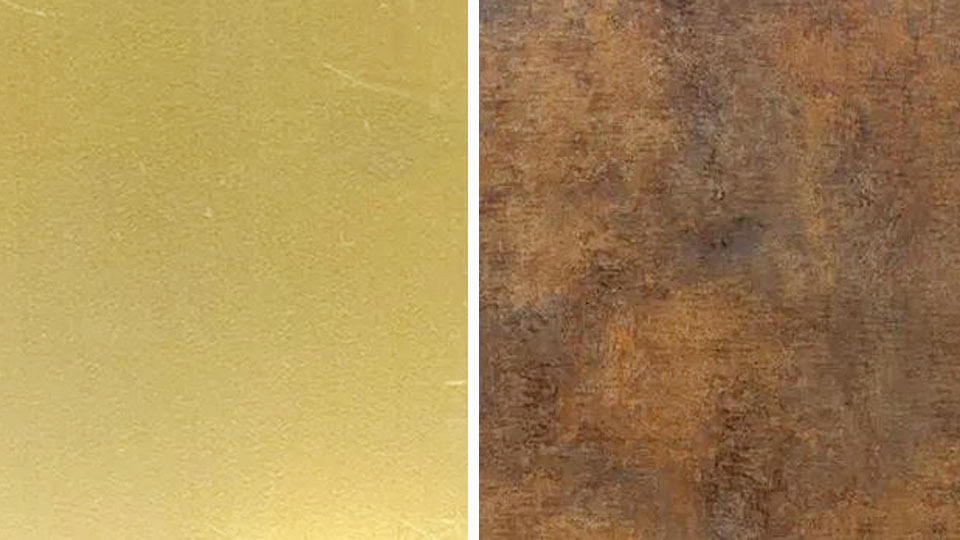
Brass has always fascinated me because of its golden glow and versatility. It’s one of those materials that sneak into our lives in ways we don’t always notice, yet it serves critical roles in making our everyday experiences richer and more functional.

Image by rapid-protos
If it’s in your home, workplace, or hobbies, brass is likely working behind the scenes. Let’s dive into its top five uses and see how this timeless alloy shapes the world around us.
Brass in Musical Instruments
One of the most iconic uses of brass is in musical instruments. From trumpets and trombones to saxophones and tubas, brass instruments create music that resonates across cultures and genres.
What makes brass so perfect for this? It’s all about its acoustic properties. The metal is malleable enough to create intricate designs yet sturdy enough to produce a bright, clear, and rich sound.
As someone who has spent time around musicians, I’ve noticed they value brass instruments for their durability. Whether it’s a student learning their first tune or a professional performing in an orchestra, brass instruments stand the test of time.
Brass’s resistance to corrosion ensures that these instruments maintain their beauty and functionality for decades.
Brass in Plumbing Fixtures
Another area where brass shines is in plumbing. Faucets, valves, and other plumbing components are often made of brass, and there’s a good reason for it.
Brass is highly resistant to rust and corrosion, which is essential for items that come into contact with water. It’s also strong enough to withstand high water pressure, making it a reliable choice for plumbing systems.
What’s even more interesting is its antimicrobial properties. Brass can inhibit the growth of bacteria, making it a safer option for water systems compared to other materials.
As I’ve learned, many plumbers and homeowners prefer brass fixtures not just for their performance but also for the classic, sophisticated look they add to kitchens and bathrooms.
Brass in Decorative Items
If you’ve ever walked into a home with brass accents, you know how it instantly elevates the space. Brass has been a popular choice for decorative items for centuries.
From intricate candle holders and vintage lamps to modern wall art and furniture, brass offers a timeless elegance that fits any style.
One of the reasons I love brass for décor is its ability to develop a patina over time. This natural aging process gives brass an antique charm, making it even more appealing. Whether you’re a fan of vintage aesthetics or contemporary minimalism, brass can complement your style effortlessly.
Brass in Electrical Components
This might not be the first thing that comes to mind when you think of brass, but it plays a crucial role in electrical applications.
Brass is an excellent conductor of electricity, which makes it a go-to material for connectors, terminals, and switches. Its durability and resistance to corrosion ensure that electrical systems remain functional for a long time.
In industries like telecommunications and automotive, brass components are indispensable. For instance, the connectors in your car or the switches in your home might rely on brass to perform reliably. It’s amazing how such a beautiful metal also excels in technical applications.
Brass in Mechanical Applications
Brass is also a favorite in mechanical engineering, especially for precision components like gears, bearings, and valves.
Its low friction properties make it ideal for applications where smooth operation is essential. Additionally, brass’s strength and machinability allow for intricate designs that can withstand wear and tear.
One of the most fascinating uses of brass I’ve come across is in marine equipment. Because it’s resistant to saltwater corrosion, brass is often used in ship fittings, propellers, and other marine hardware. It’s not just about functionality—it’s about ensuring longevity in some of the harshest environments on Earth.
Why Brass Is a Favorite Material
When I look at the uses of brass, it’s clear why it’s such a popular material. It combines beauty with practicality, offering durability, corrosion resistance, and ease of use.
Whether it’s a gleaming faucet in your bathroom or a beautifully crafted saxophone, brass makes our lives more convenient and aesthetically pleasing.
One thing I’ve come to appreciate is how brass balances tradition and modernity. It’s a material that has been used for centuries, yet it still finds relevance in today’s world. That’s the magic of brass—it’s timeless.
FAQs About Brass
Why is brass so durable?
Brass is an alloy of copper and zinc, giving it a perfect balance of strength and corrosion resistance. This makes it suitable for long-term use in various applications.
Can brass be recycled?
Yes, brass is 100% recyclable, which makes it an environmentally friendly choice. Recycled brass retains its original properties, making it a sustainable material.
How can I identify if something is made of brass?
You can often identify brass by its golden color and weight. If you’re unsure, try using a magnet—brass is non-magnetic, so the magnet won’t stick.
What’s the difference between brass and bronze?
While both are copper alloys, brass contains zinc, whereas bronze contains tin. This difference gives them distinct properties and appearances.
Does brass require special maintenance?
Not really. Brass is easy to clean with simple solutions like vinegar or lemon juice. If you prefer the aged look of patina, you can skip polishing altogether.
Conclusion
After exploring the uses of brass, I can’t help but admire how this alloy enhances our lives. From creating beautiful music to ensuring our plumbing works seamlessly, brass is everywhere, quietly doing its job. Its combination of elegance, strength, and versatility makes it a material we can rely on.
f you’re an artist, engineer, or homeowner, brass has something to offer. It’s a testament to human ingenuity, transforming simple elements like copper and zinc into something extraordinary.
The next time you come across a brass item, take a moment to appreciate its beauty and functionality—it truly is a remarkable material.