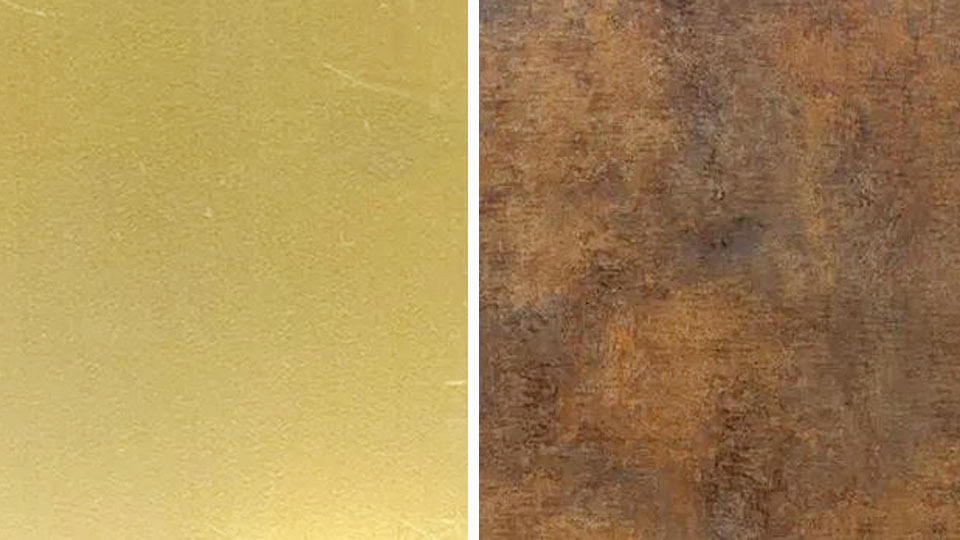
Cutting into an old fitting or casting and seeing different colors in the chips can make you pause for a second. Some pieces machine smoothly with a golden shine, while others feel tougher and leave a darker finish.
That’s usually when the question What Is the Composition of Brass and Bronze? comes up, especially if you’re trying to choose the right material for a job.
These two alloys might look similar at a glance, but they behave differently under heat, pressure, and corrosion. The mix of metals inside them affects everything—from weldability and strength to how they respond during machining or brazing. I’ve seen projects run into trouble simply because the wrong alloy was assumed.
Knowing what goes into brass and bronze helps you make better decisions, avoid material failures, and get more predictable results in your work. I’ll break it down in simple terms so you can clearly understand what sets them apart and where each one performs best.
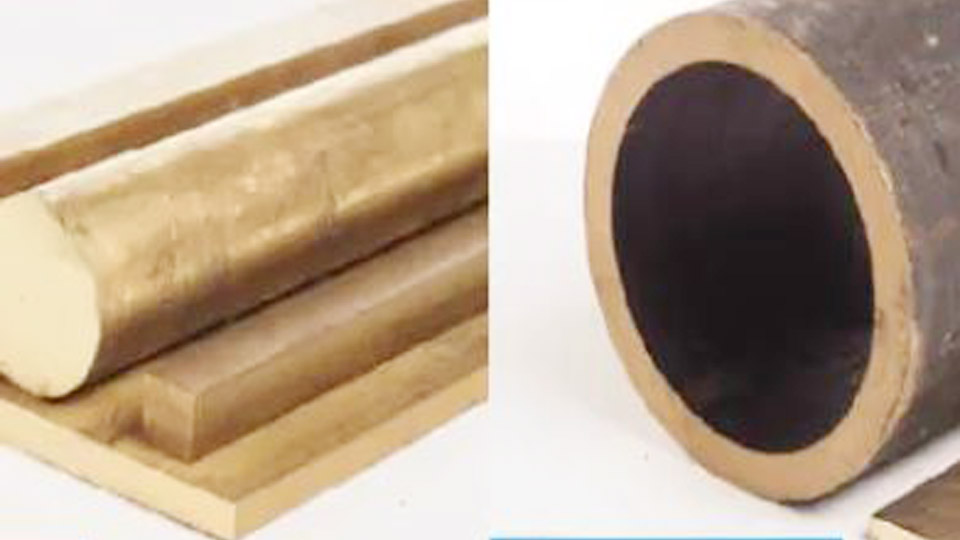
Image by metalsupermarkets
The Copper Core: Decoding the Base Chemistry
Before we strike an arc, we have to look at the ingredients. Both metals start with copper, but their alloyed partners create two very different animals on the welding bench.
Brass: The Zinc-Heavy Contender
Brass is essentially an alloy of copper and zinc. The ratio usually hovers around 60–70% copper and 30–40% zinc, though “red brass” has more copper and “yellow brass” has more zinc.
How it works: Zinc has a much lower boiling point than copper. When you hit it with a TIG arc or a torch, the zinc literally turns into a gas. This causes the “boiling” puddle and the white smoke (zinc oxide) that every welder fears.
When to use it: It’s prized for its low friction (think bearings and valves) and its gold-like appearance.
Practical Tip: If the metal looks bright yellow and sparks “crunchy” when hit with a file, you’re likely dealing with high-zinc brass. Be ready for the fume.
Bronze: The Tin and Alloy Powerhouse
Classic bronze is an alloy of copper and tin. However, modern “bronzes” are often more complex, using silicon, aluminum, or manganese to gain specific industrial properties.
How it works: Tin increases the hardness and corrosion resistance. Unlike brass, true bronze doesn’t usually contain enough zinc to cause massive outgassing, making it significantly easier to weld—if you have the right filler.
When to use it: Marine hardware, pump housings, and artistic castings.
Practical Tip: Silicon Bronze (Everdur) is the darling of the welding shop. It flows like water and is used for “TIG brazing” steel.
Why Does Composition Change My Welding Process?
You can’t just grab a coat hanger or a generic “brazing rod” and hope for the best. The chemical makeup dictates your heat management.
The Problem with Zinc Outgassing
When you’re welding brass, the zinc starts vaporizing at around 1,665°F, while the copper doesn’t even melt until 1,981°F. This means by the time you have a molten puddle, your zinc is already trying to escape into the atmosphere. This creates porosity—tiny bubbles in your weld that look like Swiss cheese and have zero structural integrity.
Thermal Conductivity and “Cold Start” Issues
Both metals pull heat away from the weld zone faster than steel. If you’re working on a heavy bronze casting, your first inch of weld will likely be “cold” and lack penetration because the rest of the part is acting like a giant radiator.
Shop Advice: Preheating is mandatory for anything over 1/4 inch thick. Get that base metal up to 400°F–500°F with a rosebud torch before you even think about striking an arc.
Choosing Your Weapon: SMAW, TIG, or Oxy-Fuel?
Depending on the job, one process usually stands out. Here’s how I break it down for my trainees.
TIG Welding (GTAW): The Precision Choice
TIG is the preferred method for silicon bronze and most modern bronze alloys. It gives you the most control over the heat, which is vital for preventing the “boiling” effect in brass.
Settings for 1/8″ Bronze:
- Polarity: DCEN (Straight Polarity) for Silicon Bronze; AC can be used for Aluminum Bronze to break up oxides.
- Amperage: 120–150 Amps (higher than steel due to heat sink).
- Shielding Gas: 100% Argon. Helium mixes can help on thick castings for better “dig.”
SMAW (Stick Welding): The Repair Specialist
Yes, you can stick weld bronze. It’s messy, the slag is like glass, and it’s loud, but for a heavy pump housing repair, it’s fast.
- Rod Choice: Look for ECuSn-C (Tin Bronze) or ECuAl-A2 (Aluminum Bronze) electrodes.
- Amperage Range: For a 1/8″ electrode, run between 90–120 Amps DCEP. Keep a tight arc; if you pull a long arc, you’ll lose your shielding and get porosity.
Identifying Your Metal: The Shop-Floor “Sniff Test”
If a customer brings in a mystery part, how do you know what it is? Don’t guess.
| Test Method | Brass | Bronze |
| Color | Bright yellow, like a dull 14k gold. | Reddish-brown, more like a weathered penny. |
| Grinder Spark | Few, if any, sparks. Mostly “dust.” | Usually no sparks, but the metal feels “harder” against the wheel. |
| The “Arc Test” | Intense white smoke, green flame, white soot. | Stable arc, minimal smoke (unless it’s manganese bronze). |
| Application | Plumbing fixtures, musical instruments, decorative trim. | Boat props, heavy bushings, statues, industrial gears. |
Step-by-Step: Welding Silicon Bronze (The Most Common Shop Task)
If you’re asked to weld “bronze,” 80% of the time it’s silicon bronze. Here is my go-to workflow.
1. Joint Preparation
Cleanliness is everything. Use a dedicated stainless steel wire brush. If that brush has touched oily steel, you’re going to have black soot in your puddle. Grind a 60-degree V-groove for anything over 3/16″.
2. Preheating
For pieces with significant mass, use an infrared thermometer. If you don’t preheat, you’ll get “lack of fusion” at the start of the bead, which is where most repairs fail.
3. The “Dip and Quit” Technique
When TIG welding, don’t linger. You want to establish the puddle, dip the filler, and move. If you sit in one spot too long, you’ll overheat the alloy and start pulling impurities to the surface.
4. Safety Check
Wear a respirator. Even if it “looks” like bronze, it might have lead or zinc. I always use a pancake-style P100 filter under my hood for red metals.
Common Mistakes Beginners (and Pros) Make
Using the wrong filler for brass: Many try to TIG weld yellow brass with silicon bronze filler. While it can work for non-structural stuff, the color won’t match, and the zinc from the brass will often contaminate the silicon bronze puddle.
Forgetting the “Zinc Smoke”: If you see white “soot” forming around your weld, you are boiling the metal. Back off the heat or increase your travel speed.
Poor Argon Coverage: Copper alloys are oxygen-hungry. Use a large gas lens (Size 8 or 12) to keep that puddle bathed in argon until it solidifies.
Comparison Table: Filler Metal Compatibility
Choosing the right rod is half the battle. Use this as a cheat sheet for your next supply run.
| Base Metal | Recommended TIG Filler | Recommended Gas | Notes |
| Silicon Bronze | ERCuSi-A | 100% Argon | Best for “TIG Brazing” steel. |
| Aluminum Bronze | ERCuAl-A2 | Argon or Ar/He | High strength; used for wear surfaces. |
| Phosphor Bronze | ERCuSn-A | 100% Argon | Good for color matching old castings. |
| Yellow Brass | RbcCuZn-C (Brazing) | Oxy-Acetylene | Difficult to TIG; brazing is usually better. |
Safety Considerations: The Invisible Dangers
When we talk about the composition of brass and bronze, we have to talk about Lead. Historically, lead was added to brass (up to 3%) to make it easier to machine. When you weld that, you are vaporizing lead.
Rule of Thumb: If the part is an antique or a plumbing fitting, assume it has lead. Work outdoors or use high-volume local exhaust ventilation.
The “Green Flame”: If your arc looks suspiciously green, that’s the copper and zinc reacting. It’s a signal to check your ventilation and make sure your respirator is tight.
A Refined Approach to Red Metals
Mastering brass and bronze isn’t about brute force; it’s about understanding the delicate balance of the elements involved. When you respect the fact that brass is a “boiling” metal and bronze is a “heat-thirsty” metal, your results will change overnight. You’ll stop fighting the puddle and start directing it.
I’ve spent years explaining to apprentices that “red metal” welding is more like a dance than a construction job. You have to be fast, you have to be clean, and you have to be incredibly mindful of the fumes.
The moment you can look at a mystery casting, identify it by its hue, and dial in your machine for the specific alloy, you’ve moved from being a “spark-maker” to a true craftsman.
If you’re TIG welding a “mystery” bronze and the puddle keeps spitting at you, try switching to a 75% Argon / 25% Helium mix. The extra heat from the helium helps the puddle stay fluid at lower amperages, giving the impurities a chance to float to the top rather than getting trapped and causing porosity.
Frequently Asked Questions
Why does my brass weld have so many holes (porosity)?
This is almost always due to the zinc content boiling off. To fix it, try using a slightly lower amperage, a faster travel speed, and ensure you aren’t “weaving” the torch. A straight stringer bead is best to keep the heat input to a minimum.
Can I use silicon bronze filler on regular steel?
Absolutely. This is called “TIG Brazing.” It’s fantastic for thin sheet metal or dissimilar metals because you aren’t melting the base steel, which prevents warping and distortion. It’s a favorite in the automotive restoration world.
How do I stop the “white soot” when welding brass?
You can’t stop it entirely, but you can manage it. Use a specialized brazing flux (even with TIG in some cases) or, better yet, switch to an Oxy-Acetylene braze with a high-quality flux-coated rod. If you must TIG, use a “pulsed” setting to keep the average heat down.
Is bronze stronger than brass?
In general, yes. Bronze (especially aluminum or manganese bronze) is engineered for high-strength industrial applications, whereas brass is usually chosen for its machinability, corrosion resistance, or aesthetics.