
If you’re like me, you’ve probably come across the terms brass and bronze in various contexts, but might not have understood exactly what sets them apart.
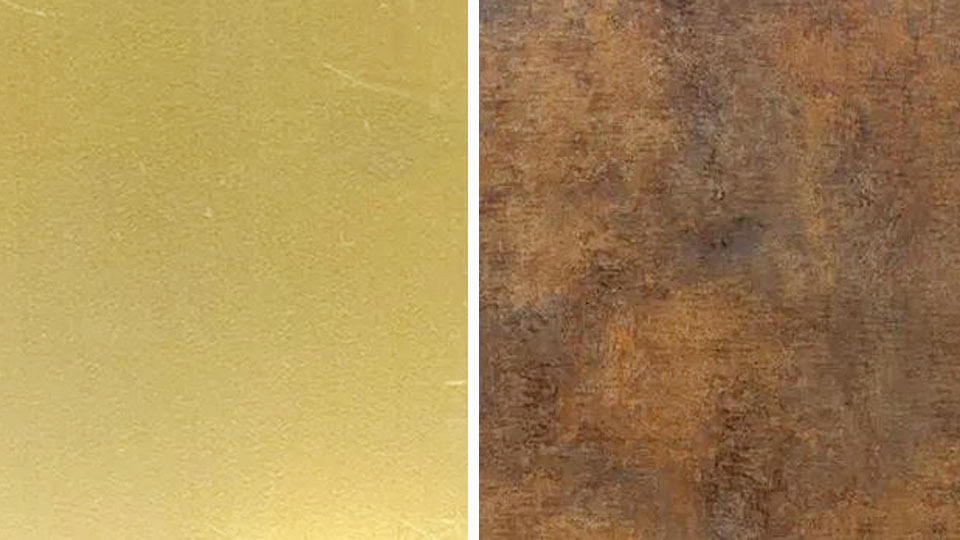
Image by sendcutsend
Maybe you’ve seen both materials used in sculptures, coins, or mechanical parts, and wondered how they differ. Are they just two names for the same thing? Or is there something more to it?
Well, I’ve spent some time researching these two metals, and what I found might surprise you. Although both are alloys (meaning they’re made by combining metals), they have distinct differences in composition, properties, and uses. Let’s dive deep into these two alloys and clear up any confusion once and for all.
What Exactly Are Brass and Bronze?
Before we get into the differences between brass and bronze, let’s first understand what each material is made of.
Brass is primarily an alloy of copper and zinc. The proportions of these two metals can vary, but brass generally contains between 55% to 95% copper and the rest is zinc. Sometimes, other elements such as lead, tin, iron, or manganese are added to give brass specific qualities.
Bronze, on the other hand, is an alloy of copper and tin, but the tin content is typically around 10% to 12%. This combination makes bronze stronger and more durable than brass. However, other metals like phosphorus, aluminum, manganese, and silicon can also be added to produce different varieties of bronze.
So, the key difference here is the base metals—brass is made from copper and zinc, while bronze is made from copper and tin.
The Composition of Brass vs Bronze
Now that we know what each material is made of, let’s take a closer look at their compositions. This can help you understand why brass and bronze have different properties.
| Property | Brass | Bronze |
|---|---|---|
| Primary Metals | Copper and Zinc | Copper and Tin |
| Additional Elements | Lead, iron, manganese, tin, etc. | Phosphorus, aluminum, manganese, etc. |
| Color | Yellow, reddish, or gold-like | Reddish-brown or darker brown |
| Strength | Strong but more malleable | Stronger, less malleable |
| Corrosion Resistance | Excellent in water, but can tarnish | Excellent resistance to corrosion |
| Hardness | Softer compared to bronze | Harder and more durable |
From the table, we can see that the composition differences between brass and bronze lead to variations in strength, malleability, and appearance.
While brass is often softer and more malleable due to the zinc content, bronze tends to be stronger and more durable, largely due to the presence of tin.
Key Differences in Properties
Now that we’ve gone over their compositions, let’s explore how these differences translate into real-world properties and uses for each alloy.
Strength and Durability
One of the most noticeable differences between brass and bronze is their strength. Due to the higher tin content in bronze, it’s typically stronger and more durable than brass.
This makes bronze a better option for applications that require resistance to wear, corrosion, and impact. For example, bronze is commonly used in marine environments because it is highly resistant to seawater corrosion.
On the other hand, brass is more malleable and ductile, making it easier to work with and shape into parts like fittings and valves.
While brass is strong, it doesn’t match the level of toughness and longevity that bronze can offer in demanding environments.
Appearance and Color
When it comes to appearance, you can usually tell the difference between brass and bronze just by looking at them. Brass has a bright yellowish or gold-like color, which makes it an attractive material for decorative items like jewelry, musical instruments, and furniture hardware. It has a shiny finish that tends to tarnish over time if not properly maintained.
Bronze, in contrast, is usually a darker reddish-brown color, especially when it is exposed to air and moisture. It develops a beautiful greenish patina over time, which adds to its aesthetic appeal, especially in sculptures or art pieces. Unlike brass, which retains its golden shine, bronze’s darker color makes it ideal for artistic and antique items.
Resistance to Corrosion
Both brass and bronze have excellent corrosion resistance, but bronze is considered the superior alloy when it comes to protecting against the elements.
Bronze is especially resistant to corrosion from saltwater, which is why it’s often used in marine applications like ship propellers, marine fittings, and statues in outdoor environments.
While brass is also corrosion-resistant, it can tarnish more easily, especially in moist environments. It’s not quite as resistant to the harsh effects of saltwater, which can cause it to degrade over time.
That’s why brass is often used in plumbing or electrical fittings, where exposure to moisture isn’t as extreme.
Workability and Machinability
When it comes to working with the material, brass has the upper hand in terms of machinability. Brass is much easier to machine, shape, and form due to its relatively low hardness.
This makes it ideal for making parts that need to be precisely molded or crafted, such as coins, gaskets, fittings, and plumbing fixtures.
Bronze, is more difficult to machine because of its higher hardness. This makes it ideal for applications where strength and durability are the primary concern, but not the best for projects that require intricate shaping.
Common Uses of Brass vs Bronze
Both alloys have their own set of applications based on their properties, so let’s take a look at where each material shines.
Brass Uses
- Plumbing: Brass is commonly used for faucets, pipes, valves, and connectors because of its corrosion resistance and malleability.
- Electronics: Brass is often used in electrical connectors, switches, and sockets due to its decent conductivity and ease of machining.
- Musical Instruments: Brass is the material of choice for making trumpets, trombones, saxophones, and other wind instruments due to its workability and sound resonance.
- Decorative Items: Brass is used in jewelry, coins, and hardware because of its appealing golden color.
Bronze Uses
- Marine Industry: Bronze’s resistance to seawater corrosion makes it ideal for propellers, pumps, and marine fittings.
- Sculpture and Art: Bronze is widely used for sculptures and statues, thanks to its rich color and ability to develop a unique patina.
- Bearings and Bushings: Bronze is used for bearings, bushings, and gears in machinery, where high strength and durability are essential.
- Medals and Coins: Bronze is often used in the creation of medals, trophies, and coins, as it can withstand the wear and tear of everyday handling.
Which One Should You Choose?
So, with all this information in mind, how do you decide whether to use brass or bronze for your next project? It all comes down to what properties are most important for your application.
- If you need something that is easy to work with, has good corrosion resistance, and looks appealing, brass is probably the better option.
- If you need a material that can withstand harsh environments, is durable, and offers high strength, bronze would be the better choice.
Conclusion
Understanding the difference between brass and bronze is essential when choosing the right material for a specific application. While both are copper-based alloys, their unique compositions and properties give them distinct characteristics that make them suitable for different purposes.
Brass is known for its ease of workability and bright golden appearance, making it perfect for decorative items and plumbing. Bronze, with its higher strength and corrosion resistance, excels in environments that require durability and longevity, such as in marine and industrial applications.
If you’re a DIY enthusiast, a professional craftsman, or just someone interested in materials, knowing the difference between these two alloys can help you make more informed decisions for your next project.
FAQs
What is the main difference between brass and bronze?
The main difference between brass and bronze is the metals used in their composition. Brass is an alloy of copper and zinc, while bronze is an alloy of copper and tin. This gives them different properties, with brass being more malleable and bronze being stronger and more durable.
Which is stronger, brass or bronze?
Bronze is generally stronger and more durable than brass due to its higher tin content. It is less malleable but excels in applications requiring high strength and resistance to wear.
Can I use brass for marine applications?
Brass can be used in marine applications, but it’s not as resistant to seawater corrosion as bronze. For more extreme marine environments, bronze is usually the better choice.
Is bronze more expensive than brass?
Yes, bronze is typically more expensive than brass, primarily because tin is more costly than zinc. However, the added durability and strength of bronze often justify the higher price.
Which metal is easier to machine, brass or bronze?
Brass is easier to machine and shape compared to bronze, as it is softer and more malleable. This makes brass ideal for applications requiring precise machining.


