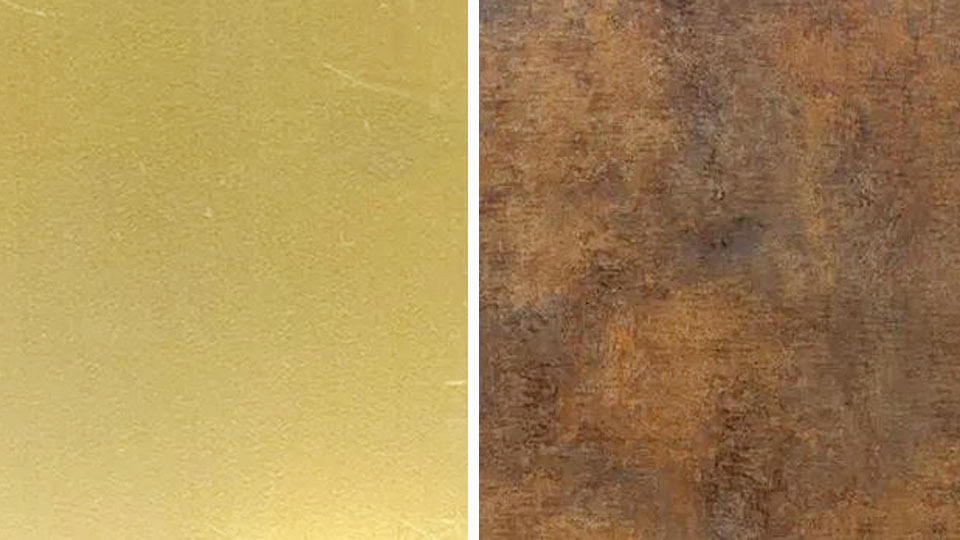
Welding brass to aluminum can feel like an intimidating task. After all, these are two very different metals with unique properties that make them tricky to join.

But don’t worry, I’ve got you covered! When I first explored this process, I had the same questions most people have—can it even be done, and how?
I’ve learned that with the right techniques, tools, and a bit of patience, welding brass to aluminum is absolutely possible.
I’ll share everything you need to know about welding these two metals together. If you’re working on a creative project or repairing something around the house, this guide will help you achieve a strong and durable bond between brass and aluminum.
Why Is Welding Brass to Aluminum Challenging?
Before getting into the process, it’s important to understand why welding brass to aluminum is so challenging.
Different Melting Points
Aluminum melts at around 1,220°F, while brass melts at a higher temperature (typically 1,700–1,880°F, depending on its composition). This difference makes it difficult to heat both metals evenly.
Dissimilar Metals
Brass is an alloy of copper and zinc, while aluminum is a lightweight, non-ferrous metal. Their physical and chemical properties differ significantly, making them less compatible for traditional welding methods.
Oxidation
Both metals form oxide layers when exposed to air, which can interfere with the welding process. Removing these layers is essential for a strong bond.
Methods for Joining Brass to Aluminum
There are a few different techniques for welding or joining brass to aluminum. Each method has its own pros and cons, and the best choice depends on your specific project.
Brazing
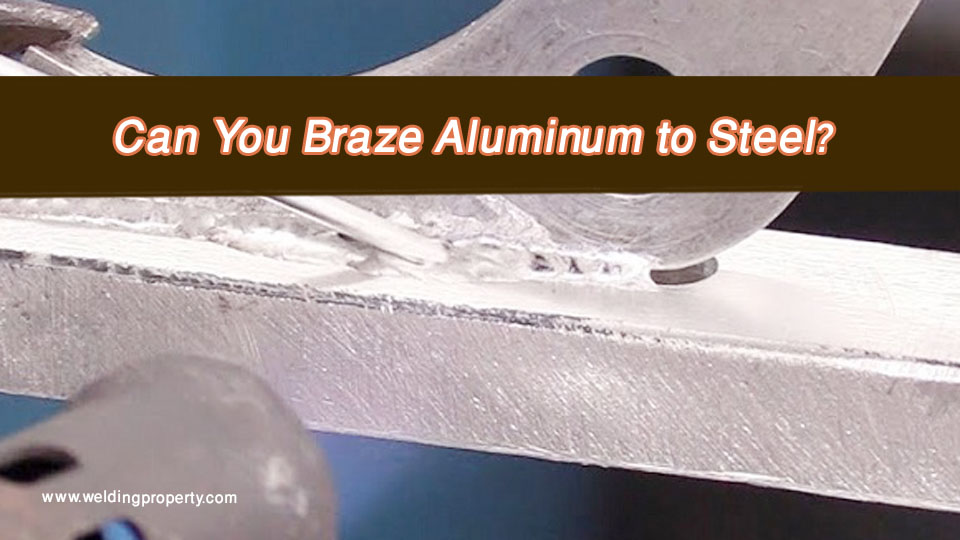
Brazing is one of the most common methods for joining brass to aluminum. It involves using a filler material that melts at a lower temperature than the base metals.
- Process: The filler material is heated and flows into the joint, creating a bond as it cools and solidifies.
- Advantages: Brazing is relatively simple and doesn’t require the metals to reach their melting points.
- Disadvantages: The bond may not be as strong as traditional welding, especially for high-stress applications.
Friction Welding
Friction welding uses heat generated by mechanical friction to join the metals.
- Process: The brass and aluminum are pressed together and rotated at high speed, generating enough heat to fuse them.
- Advantages: Strong, reliable bonds without needing filler materials.
- Disadvantages: Requires specialized equipment and isn’t ideal for small-scale projects.
Explosion Welding
This industrial technique uses a controlled explosion to force the two metals together at high pressure.
- Process: The explosion creates a high-energy impact that bonds the metals.
- Advantages: Extremely strong bonds, suitable for large or industrial applications.
- Disadvantages: Not practical for DIY or small-scale projects due to safety concerns and equipment requirements.
TIG Welding (Using a Special Filler)
TIG welding, or Tungsten Inert Gas welding, can be used to join brass and aluminum with the help of a specially designed filler rod.
- Process: A tungsten electrode produces an arc that melts the filler material, bonding the metals.
- Advantages: Precise and clean welds.
- Disadvantages: Requires skill and experience, as well as the right filler material.
Preparing Brass and Aluminum for Welding
Preparation is key to successful welding, especially when dealing with dissimilar metals like brass and aluminum. Here’s how to get started:
Cleaning the Metals
Both brass and aluminum are prone to oxidation, so you’ll need to clean the surfaces thoroughly.
- Use a wire brush or sandpaper to remove any oxide layer, dirt, or grease.
- Wipe the surfaces with acetone or another suitable solvent to ensure they’re completely clean.
Aligning the Parts
Proper alignment is crucial for achieving a strong bond.
- Use clamps to hold the brass and aluminum in place.
- Make sure the joint is tight and even, as gaps can weaken the bond.
Choosing the Right Filler Material
If you’re brazing or using TIG welding, selecting the correct filler material is essential. Look for a filler that’s compatible with both brass and aluminum, such as a zinc-based alloy.
Step-by-Step Guide to Welding Brass to Aluminum
Here’s a simple, step-by-step process to help you weld brass to aluminum:
Step 1: Gather Your Tools and Materials
Make sure you have everything you need, including:
- A welding machine (TIG welder or brazing torch)
- Appropriate filler material
- Clamps or a vise
- Safety gear (gloves, welding helmet, flame-resistant clothing)
Step 2: Prepare the Work Area
Set up your workspace in a well-ventilated area. Secure the brass and aluminum pieces using clamps or a vise.
Step 3: Preheat the Metals (If Necessary)
Some methods, like brazing, require preheating the metals to reduce thermal stress. Use a propane or oxy-acetylene torch to gently heat the surfaces before welding.
Step 4: Begin the Welding Process
Follow the specific steps for your chosen method:
- For brazing, apply the filler material and heat it until it flows into the joint.
- For TIG welding, strike an arc with the tungsten electrode and feed the filler material into the molten pool.
Step 5: Cool and Inspect
Allow the joint to cool naturally. Avoid quenching, as it can cause cracks or weaken the bond. Once cooled, inspect the weld for any gaps or imperfections.
Comparison of Welding Methods for Brass and Aluminum
| Method | Ease of Use | Bond Strength | Cost | Best For |
|---|---|---|---|---|
| Brazing | Easy | Moderate | Affordable | DIY and small-scale projects |
| Friction Welding | Moderate | High | Expensive | Industrial applications |
| Explosion Welding | Difficult | Very High | Very Expensive | Large-scale industrial use |
| TIG Welding | Moderate | High | Moderate | Precision projects |
Common Applications for Welding Brass to Aluminum
Welding brass to aluminum is useful in a variety of applications, such as:
- Automotive Repairs: Joining brass fittings to aluminum components.
- HVAC Systems: Welding brass pipes to aluminum heat exchangers.
- Artistic Projects: Creating mixed-metal sculptures or decorative pieces.
- Electrical Work: Joining brass terminals to aluminum wiring.
Tips for a Successful Weld
- Practice First: If you’re new to welding, practice on scrap pieces of brass and aluminum before working on your main project.
- Control Heat Carefully: Overheating can damage the metals or weaken the bond, so adjust your heat settings as needed.
- Use Proper Safety Gear: Always wear protective clothing, gloves, and a welding helmet to stay safe.
- Be Patient: Joining dissimilar metals takes time and precision, so don’t rush the process.
Conclusion
Welding brass to aluminum might seem daunting at first, but with the right techniques and preparation, it’s entirely achievable. Whether you’re using brazing, TIG welding, or another method, the key is to clean and align the metals properly and choose the right tools for the job.
I’ve found that taking the time to understand the properties of these metals and practicing beforehand makes all the difference. The satisfaction of creating a strong, durable joint between two seemingly incompatible materials is well worth the effort.
FAQs
Can brass and aluminum be welded together directly?
No, they cannot be directly welded in the traditional sense. However, techniques like brazing or using specialized fillers can join them effectively.
What is the best method for welding brass to aluminum?
Brazing is the easiest and most cost-effective method for DIY projects, while TIG welding offers higher precision for professional applications.
Do I need special equipment to weld brass to aluminum?
Yes, you’ll need a suitable filler material and a welding machine compatible with your chosen method, such as a TIG welder or brazing torch.
Is it safe to weld brass and aluminum?
Yes, but always use proper safety gear and work in a well-ventilated area to avoid exposure to harmful fumes.
Can I use flux when brazing brass to aluminum?
Yes, using a flux designed for aluminum can help improve the bond and ensure a clean, strong joint.