If you work with plastic components, you’ve likely come across different welding techniques, each with its own strengths and applications.
Two of the most common methods used for thermoplastic welding are hot plate welding and vibration welding. Both are effective, but they operate in very different ways.
thepippingmart
I’ve had the chance to explore both methods, and I can tell you that choosing between them depends on the material, application, and final product requirements.
Some industries prefer hot plate welding for its strong, leak-proof seals, while others rely on vibration welding for its speed and flexibility.
So, how do they compare? Let’s dive into the key differences between hot plate welding and vibration welding, so you can determine which method suits your needs best.
What Is Hot Plate Welding?
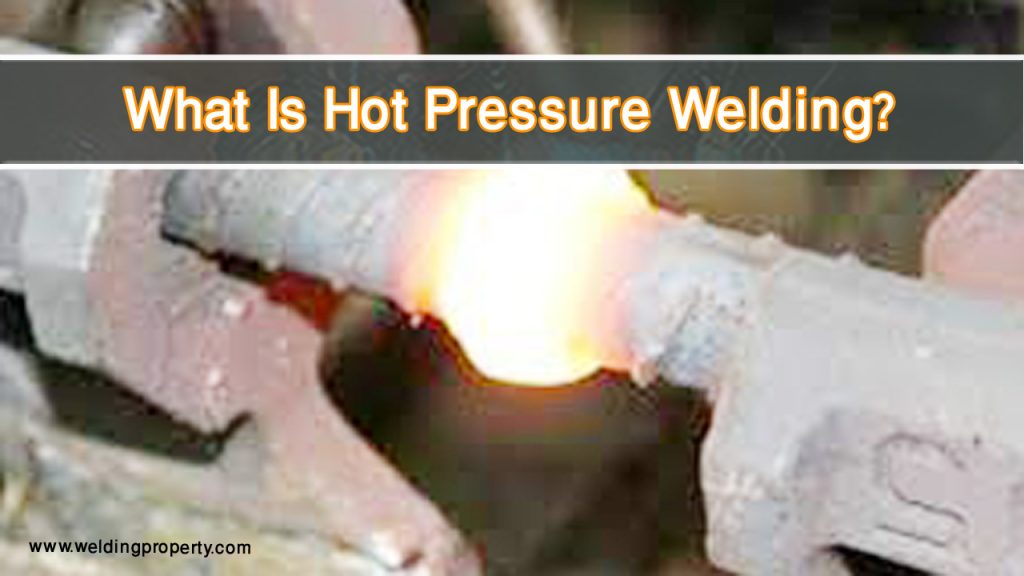
Hot plate welding is a process that uses a heated metal plate to soften and bond thermoplastic parts together. The parts are pressed against the hot plate until they reach the correct melting temperature.
Once softened, the plate is removed, and the parts are quickly pressed together under pressure to create a strong, permanent weld.
This method is widely used for applications where durability, strength, and airtight sealing are essential. Industries like automotive, medical, and consumer goods manufacturing frequently use hot plate welding for components such as fuel tanks, containers, and medical tubing.
One of the biggest advantages of hot plate welding is its ability to weld large, complex parts with a smooth and uniform joint. Since heat is applied evenly, the final bond is strong and free from defects.
What Is Vibration Welding?
Vibration welding is a process that uses frictional heat to join thermoplastic parts. Instead of a heated plate, this method relies on mechanical motion to generate heat. The two plastic parts are pressed together while one part is rapidly vibrated back and forth.
The friction creates heat, softening the surfaces until they fuse together. Once the desired melting point is reached, the vibration stops, and pressure is applied to finalize the weld.
This technique is incredibly fast and efficient, making it a popular choice for high-volume production. It’s commonly used in industries like automotive, electronics, and appliance manufacturing, where speed and precision are key.
Since vibration welding does not require external heat sources, it is ideal for materials that are sensitive to direct heat exposure. It also allows for welding of irregularly shaped or multi-plane parts, which can be challenging for other methods.
Differences Between Hot Plate Welding and Vibration Welding
Although both methods are used to join thermoplastic materials, they have significant differences in terms of process, application, and performance. Here’s a side-by-side comparison:
| Feature | Hot Plate Welding | Vibration Welding |
|---|---|---|
| Heat Source | Heated metal plate | Friction from mechanical vibration |
| Welding Process | Plastic parts are melted by direct contact with a hot plate | Rapid vibration generates heat through friction |
| Materials Used | Most thermoplastics, including rigid and semi-flexible plastics | Works well with rigid thermoplastics but not with flexible materials |
| Weld Strength | Very strong, ideal for leak-proof and high-pressure applications | Strong but may not be as airtight as hot plate welding |
| Speed | Slower process due to heating and cooling phases | Faster process, making it ideal for mass production |
| Precision | High precision and smooth, clean welds | Good for complex shapes but may leave visible flash |
| Heat-Affected Zone | Localized heat application, minimal material damage | Can generate more heat in surrounding areas |
| Application Suitability | Best for thick, large parts requiring airtight seals | Works well for medium to large parts with complex shapes |
| Cost Considerations | Higher equipment cost but efficient for large, durable parts | Lower initial cost but high-speed operation reduces production time |
| Aesthetics | Clean, smooth joints | May leave some excess material (flash) that needs trimming |
When to Use Hot Plate Welding
Hot plate welding is best suited for applications that require strong, airtight, and pressure-resistant joints. If your project involves large, thick plastic parts or components that must be completely sealed, this is the best option.
Some common applications include:
- Automotive fuel tanks and air ducts – These parts need to be leak-proof and durable.
- Medical equipment and fluid containers – Airtight and contamination-free seals are essential in medical applications.
- Household appliances – Water-tight parts in dishwashers, washing machines, and coffee makers rely on hot plate welding.
- Large industrial plastic components – If you need a weld that can handle stress, pressure, or liquid containment, hot plate welding is the way to go.
Because this method ensures an even heat distribution, it’s excellent for projects where quality and strength are a priority over speed.
When to Use Vibration Welding
Vibration welding is ideal for industries that require fast production cycles and flexibility in part design. If you’re working with high-volume manufacturing and complex shapes, this is a great choice.
It’s commonly used for:
- Automotive parts like intake manifolds and instrument panels – These require strong but flexible joints.
- Appliance components – Parts in refrigerators, vacuum cleaners, and microwaves are often vibration welded.
- Electronic casings – Vibration welding provides strong bonds while allowing complex designs.
- Multi-plane or irregularly shaped parts – If the parts don’t have perfectly flat surfaces, vibration welding can still create a strong weld.
Since vibration welding doesn’t require a heating element, it’s great for materials that might degrade under prolonged heat exposure.
Strength and Durability
If you’re looking for the strongest, most reliable weld, hot plate welding generally offers better long-term durability. The slow heating and cooling process allows for a deep, molecular bond that can withstand pressure, chemicals, and extreme conditions.
Vibration welding is still strong, but the frictional process can sometimes introduce minor imperfections, particularly in airtight applications. However, for most industrial uses, the weld strength is more than sufficient.
Aesthetic and Finishing Considerations
Hot plate welding produces smooth, clean joints because the material melts uniformly. The final result looks polished and professional, which is a big advantage for consumer-facing products.
Vibration welding, on the other hand, often leaves behind excess material, known as “flash.” This might require additional trimming or finishing steps, especially for visible parts. If aesthetics are a major concern, hot plate welding is usually the better option.
Cost and Production Efficiency
Cost is an important factor when choosing a welding method. Hot plate welding machines tend to have higher initial costs because of the precision heating systems involved. They can be more cost-effective in the long run if you need high-strength, high-quality joints.
Vibration welding equipment is typically more affordable, and the process is faster, making it ideal for mass production. If speed is a priority and slight imperfections are acceptable, vibration welding can save both time and money.
Choosing the Right Method for Your Needs
When deciding between hot plate welding and vibration welding, consider the following:
- Do you need a completely airtight and durable seal? → Choose hot plate welding.
- Is speed a priority for mass production? → Go with vibration welding.
- Are you working with large, thick plastic parts? → Hot plate welding is the best option.
- Do you need to weld complex shapes or multi-plane parts? → Vibration welding is more flexible.
- Is cost a major concern? → Vibration welding can be more economical for high-volume runs.
Both methods are excellent, but the right choice depends on your specific needs.
Final Thoughts
Hot plate welding and vibration welding each have their place in modern manufacturing. Hot plate welding excels in creating strong, leak-proof, and aesthetically clean joints, making it perfect for medical, automotive, and household applications.
Vibration welding offers speed and flexibility, making it ideal for high-volume production and complex designs.
By understanding their differences, you can make an informed decision about which method best suits your project. Whether you need strength, speed, or precision, there’s a welding technique that fits your needs.
Frequently Asked Questions
Is hot plate welding stronger than vibration welding?
Yes, hot plate welding generally creates a stronger, more durable weld, especially for airtight applications.
Which method is faster?
Vibration welding is much faster than hot plate welding, making it ideal for mass production.
Does vibration welding work on all plastics?
No, vibration welding works best on rigid thermoplastics and may not be suitable for flexible materials.
Which method is more cost-effective?
Vibration welding is usually more cost-effective for high-volume production, while hot plate welding is better for applications that require strength and precision.