If you’re curious about pressure welding and want to understand its pros and cons, you’re in the right place. I’ve taken a good look at this welding process and am ready to share my thoughts with you. Pressure welding is a technique used to join two pieces of metal by applying heat and force to make a strong, permanent bond.
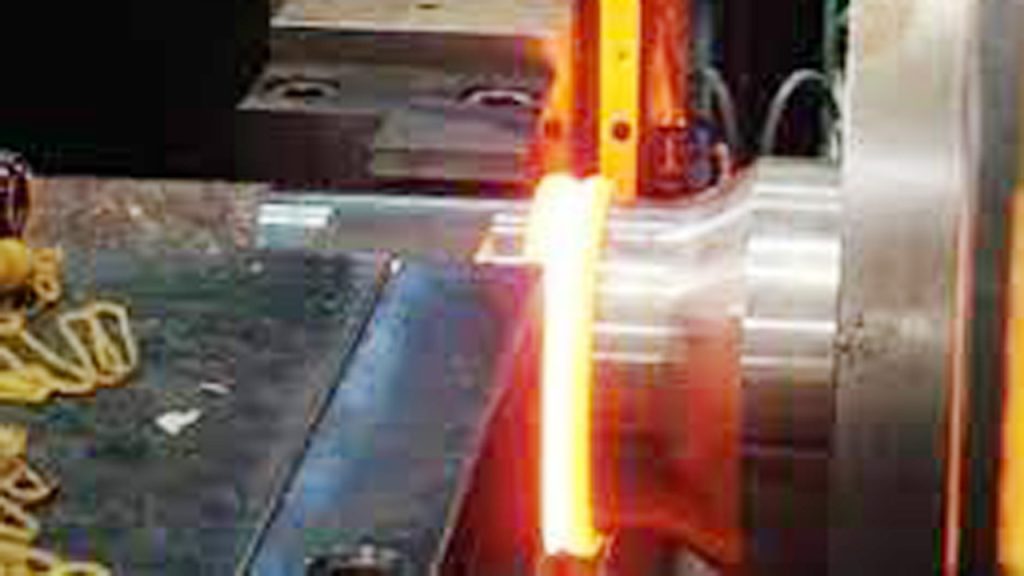
Image by diecastingcompany
It’s quite different from other welding methods because it doesn’t use filler materials to create the weld; instead, it relies purely on the application of pressure and sometimes heat.
This makes it suitable for a variety of applications in industries like construction, automotive, and manufacturing. We will dive into what pressure welding is, how it works, and discuss the benefits and drawbacks associated with it.
By the time you’re done reading, you’ll have a clear understanding of whether this welding method is suitable for your needs.
What is Pressure Welding?
Pressure welding, as the name implies, is a welding technique that involves applying pressure to join two materials together. Unlike traditional welding, where heat melts the metal and a filler material is used to fuse the pieces, pressure welding requires force to create a solid-state bond.
Some variations of pressure welding do use heat, but the key factor here is the pressure applied to the joint area, which enables the material to bond on a molecular level.
There are different types of pressure welding, including:
- Cold Welding: Where materials are joined together without any external heat.
- Hot Pressure Welding: Uses heat in addition to pressure.
- Friction Welding: Where friction generates the heat needed for the weld.
- Explosion Welding: Uses a controlled explosion to apply pressure.
Each type has its own advantages and is suitable for specific applications. Let’s explore how this welding method works.
How Does Pressure Welding Work?
The basic idea of pressure welding is to use force to push two surfaces together until they bond. Here’s how the process works step by step:
Surface Preparation
Before you begin, the surfaces of the materials must be properly prepared. This usually involves cleaning to remove any contaminants like dirt, grease, or oxidation that could weaken the bond. Think of it like trying to stick two pieces of tape together—if there’s dust or dirt, they won’t stick well.
Aligning the Materials
The materials to be welded are then aligned and positioned in a welding fixture. Proper alignment is crucial because any misalignment can result in a weak joint or an incomplete weld.
Applying Pressure
Once the materials are aligned, pressure is applied to the joint. The amount of pressure depends on the type of materials being welded and the type of pressure welding technique used. For cold welding, the pressure needs to be quite high, while for hot pressure welding, the heat helps reduce the amount of force needed.
Adding Heat (If Required)
Some pressure welding methods, like hot pressure welding or friction welding, require heat to assist in the welding process. In these cases, the heat softens the metal slightly, allowing the pressure to more easily join the materials together.
However, it’s important to note that the metal does not reach its melting point; the bond is formed below that temperature.
Cooling and Solidification
Once the pressure is removed, the newly welded joint is allowed to cool and solidify. The materials have now bonded at a molecular level, creating a strong and permanent weld.
Advantages of Pressure Welding
Pressure welding has several benefits that make it an attractive option for certain applications. Let’s break down the main advantages:
Strong, Solid-State Joints
One of the biggest advantages of pressure welding is that it creates strong, solid-state joints. Since there’s no melting involved, the structure of the material remains more uniform, resulting in a bond that can be stronger than the original material itself. This makes pressure welding ideal for high-stress applications like automotive components and structural beams.
No Need for Filler Materials
Pressure welding doesn’t require any additional filler materials, which can save time and reduce costs. This is a big plus if you’re working on projects where you want to maintain the material’s original properties without introducing different metals or alloys.
Less Thermal Distortion
Compared to traditional welding methods, pressure welding causes less thermal distortion because the materials aren’t heated to their melting points. This is particularly beneficial for precision work, where maintaining the original shape and dimensions of the material is important.
Cleaner Process
Since there’s no need for filler materials or flux, and in some cases even heat, pressure welding is a cleaner process. There’s less spatter, smoke, and overall mess compared to conventional welding methods. For those who prefer a tidy workspace, this is a definite plus.
Suitable for Dissimilar Metals
Pressure welding can be used to join different types of metals together. This can be useful in situations where you need to combine the strengths of different materials, like bonding a corrosion-resistant metal to a metal that is strong but susceptible to rust.
Disadvantages of Pressure Welding
While there are many advantages, pressure welding also has some limitations that need to be considered.
High Equipment Costs
The machinery required for pressure welding, especially for methods like friction welding or explosion welding, can be quite expensive. If you’re working on a small scale, the initial investment might not be justifiable.
Limited to Specific Material Types
Not all materials can be pressure welded. Some metals may be too brittle or may not bond well under pressure alone. While pressure welding works well for metals like aluminum, copper, and some steels, other materials may require different welding methods.
Requires Precise Alignment
Since pressure welding doesn’t use filler materials to bridge gaps or correct misalignments, the materials need to be positioned with high precision. Even a slight misalignment can result in a weak weld or incomplete joint.
Limited Thickness Range
For certain types of pressure welding, there’s a limit to the thickness of the materials that can be welded. This can be an issue if you’re working with very thick or very thin materials, as other welding methods may be more suitable in those cases.
Not Ideal for All Shapes
Some pressure welding techniques, like friction welding, are best suited for certain shapes, such as rods or pipes. Welding irregular shapes or large, flat surfaces can be more challenging and may not yield the desired results.
Comparison of Pressure Welding vs Traditional Welding
| Aspect | Pressure Welding | Traditional Welding (Arc/MIG/TIG) |
|---|---|---|
| Heat Source | Mainly pressure, sometimes with heat | External heat source (arc, flame, etc.) |
| Use of Filler Material | Not required | Often required |
| Thermal Distortion | Minimal | Can be significant |
| Material Suitability | Best for ductile metals | Suitable for a wide range of metals |
| Equipment Cost | Higher for some techniques | Moderate to high depending on method |
| Joint Strength | Strong, uniform | Can vary based on technique and skill |
Applications of Pressure Welding
Pressure welding is used across many industries due to its ability to create strong, reliable bonds. Some common applications include:
- Automotive Industry: Used for bonding drive shafts, axles, and other components.
- Aerospace: Ideal for lightweight, strong components that require precise joining.
- Manufacturing: Used in the assembly of pipes, rods, and other metal products.
- Electrical Industry: Frequently used for joining copper or aluminum conductors.
Is Pressure Welding Right for Your Project?
Pressure welding offers unique benefits and may be the perfect choice depending on your project’s requirements. If you need a strong, uniform bond without the mess and added cost of filler materials, it’s definitely worth considering.
If you’re working with a wide range of materials or complex shapes, you may need to explore other welding techniques.
Conclusion
Pressure welding stands out as a versatile and efficient welding technique, especially when uniformity, cleanliness, and joint strength are key priorities. Its ability to join similar and dissimilar metals without filler materials makes it ideal for certain applications.
While the high initial equipment cost and limitations with material compatibility may pose challenges, the benefits often outweigh these concerns for specific projects.
If you’re ever faced with a project requiring pressure welding, you’ll now be equipped with the knowledge to weigh its pros and cons effectively. It’s a fascinating welding method that continues to find its place in various industries due to its unique approach to bonding materials.