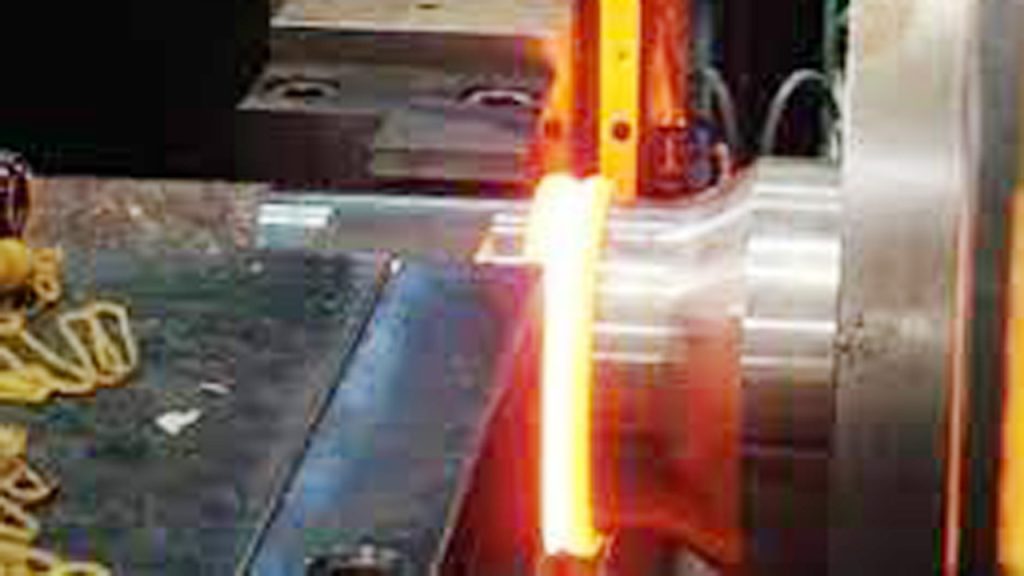
Hot pressure welding is a specialized welding process used in various industries to create strong, durable joints between metals and other materials. The process relies on the application of heat and pressure to bond materials together without the need for additional filler materials.
This combination of heat and pressure ensures a high-quality weld, making it suitable for demanding applications in fields such as aerospace, automotive manufacturing, and electronics. We will explore in detail how hot pressure welding works, its different stages, and why it is a popular choice for joining metals in challenging environments.

Image by Unknown
What is Hot Pressure Welding?
Hot pressure welding is a method of joining materials by applying heat and mechanical pressure to the contact surfaces of the materials being welded. Unlike fusion welding, where materials are melted to create a joint, hot pressure welding operates at temperatures below the melting point of the materials. This results in less thermal distortion and material degradation, preserving the integrity of the metals being joined.
The process works by heating the materials until they become soft or pliable, then applying mechanical pressure to bring the materials into intimate contact. This causes the atoms of the two surfaces to bond together, forming a strong joint. The key to this process is the balance between heat and pressure, ensuring that the materials fuse without being damaged by excessive temperature or force.
Working Principle of Hot Pressure Welding
The fundamental working principle of hot pressure welding revolves around the combination of heat and pressure to join materials. Here’s how the process generally works:
Heat Application
The materials are heated to a temperature just below their melting point. This softens the metals, making them malleable and more receptive to bonding under pressure. The source of heat can vary depending on the specific hot pressure welding method used, such as electric resistance, friction, or induction heating.
Pressure Application
Once the materials reach the desired temperature, mechanical pressure is applied to force the surfaces together. The pressure causes the softened materials to deform slightly, ensuring that their atomic structures come into close contact.
Atomic Bonding
Under the combined effects of heat and pressure, the atoms at the contact surfaces diffuse into one another, creating a strong, solid-state bond. This results in a weld that is often as strong as the original materials.
Cooling
After the pressure is applied and the bond is formed, the materials are allowed to cool naturally. The joint solidifies, and the materials regain their original strength and hardness.
Stages of Hot Pressure Welding
The hot pressure welding process can be divided into three primary stages: heating, pressurizing, and cooling. Each stage is critical to achieving a high-quality weld.
Heating Stage
In the heating stage, heat is applied to the materials to raise their temperature to just below their melting point. The goal is to soften the materials without causing them to melt completely. Different methods can be used to generate the heat needed for this stage:
- Resistance Heating: Electric currents are passed through the materials, generating heat due to their resistance.
- Friction Heating: Heat is generated through the mechanical friction of two materials rubbing against each other.
- Induction Heating: Electromagnetic fields are used to induce currents within the materials, causing them to heat up.
The heating stage is crucial because it makes the materials malleable, allowing them to deform slightly under pressure and bond more effectively.
Pressurizing Stage
Once the materials reach the correct temperature, pressure is applied to force the surfaces together. The amount of pressure required depends on the type of materials being welded and their thickness. Typically, high levels of pressure are used to ensure that the materials are properly joined. The pressure serves several functions:
- It brings the materials into close contact, ensuring atomic bonding at the interface.
- It eliminates any air gaps or contaminants that may have formed between the surfaces.
- It helps to deform the materials slightly, allowing them to interlock at the atomic level.
During this stage, the heat remains constant to keep the materials soft and receptive to the pressure being applied.
Cooling Stage
After the pressure has been applied and the bond has formed, the materials are allowed to cool down. As they cool, the bond solidifies, and the materials regain their original mechanical properties. The cooling stage is important because it ensures that the welded joint has the same strength and durability as the parent materials.
In some cases, controlled cooling may be used to prevent thermal stresses from developing in the joint. This is particularly important when working with high-performance metals such as titanium or stainless steel.
Types of Hot Pressure Welding
There are several types of hot pressure welding, each with its own unique method of applying heat and pressure. The choice of welding technique depends on the materials being joined and the specific application. Below are the most common types of hot pressure welding:
Resistance Welding
Resistance welding uses an electric current to generate heat at the contact point between two materials. Pressure is applied simultaneously, allowing the materials to bond. This method is often used for joining thin metal sheets, making it popular in industries such as automotive manufacturing.
Friction Welding
In friction welding, heat is generated through mechanical friction between two materials. One material is rotated or oscillated against the other, generating heat at the interface. Once the materials reach the desired temperature, pressure is applied to forge them together. Friction welding is commonly used for joining cylindrical or tubular components.
Induction Welding
Induction welding uses electromagnetic fields to generate heat within the materials. The process is highly controlled, allowing for precise application of heat and pressure. Induction welding is often used in applications where accuracy and minimal heat-affected zones are critical, such as in electrical components or precision-engineered parts.
Gas Pressure Welding
In gas pressure welding, a gas flame (typically oxygen and acetylene) is used to heat the materials. Once the materials reach the correct temperature, mechanical pressure is applied to form the bond. This method is commonly used in large-scale applications like the welding of rail tracks or structural beams.
Factors Affecting Hot Pressure Welding
Several factors influence the quality and success of hot pressure welding. These factors must be carefully controlled to ensure a reliable weld.
Temperature Control
The temperature must be carefully controlled during the welding process to avoid overheating or underheating the materials. If the temperature is too high, the materials may begin to melt, leading to a weak or brittle weld. If the temperature is too low, the materials may not bond properly.
Pressure Application
The amount of pressure applied is crucial to ensuring a strong bond. Insufficient pressure can result in a weak weld, while excessive pressure can cause the materials to deform excessively or damage the joint. The pressure must be evenly distributed across the weld area to ensure consistent bonding.
Material Compatibility
Not all materials can be easily welded using hot pressure welding. Metals with similar thermal and mechanical properties are typically easier to weld together, while dissimilar metals may require additional precautions or adjustments to the process.
Hot Pressure Welding vs Other Welding Techniques
| Aspect | Hot Pressure Welding | Fusion Welding | Cold Welding |
|---|---|---|---|
| Heat Application | Heat is applied to soften, not melt, materials | Materials are melted to create a joint | No heat is applied, only pressure |
| Pressure Requirement | Pressure is essential for bonding | No pressure is typically required | High pressure is required |
| Filler Material | No filler material is used | Often requires a filler material | No filler material is used |
| Thermal Distortion | Minimal due to lower temperatures | High due to melting of materials | None, since no heat is involved |
| Suitable Materials | Ideal for metals like steel, aluminum, titanium | Broad range of metals and alloys | Softer metals like aluminum, copper, and gold |
| Strength of Weld | Produces strong, durable joints | Strength depends on the materials and technique | Can produce joints as strong as the parent material |
| Applications | Aerospace, automotive, electrical components | Construction, pipelines, general fabrication | Electronics, aerospace, precision engineering |
Applications of Hot Pressure Welding
Hot pressure welding is widely used across a range of industries due to its ability to create strong, high-quality welds. Some of its key applications include:
Aerospace Industry
In the aerospace industry, hot pressure welding is used to join lightweight yet strong materials such as titanium and aluminum. The process is ideal for creating durable joints that can withstand the extreme conditions encountered in aerospace environments.
Automotive Manufacturing
Hot pressure welding is employed in the automotive sector for joining chassis components, body panels, and engine parts. The process allows manufacturers to create lightweight yet robust structures that improve vehicle performance and fuel efficiency.
Electrical Engineering
In the field of electrical engineering, hot pressure welding is used to join conductive materials like copper and aluminum. The process is essential for the production of cables, wires, and electronic components, where reliable electrical connections are critical.
Conclusion
Hot pressure welding is a versatile and efficient method for joining materials, offering distinct advantages over other welding techniques. By combining heat and pressure, it creates strong, durable joints while minimizing the risk of thermal distortion and material degradation. This makes it an ideal choice for a wide range of applications, from aerospace and automotive manufacturing to electrical engineering.
Understanding how hot pressure welding works and the factors that influence its success is essential for anyone involved in industries that rely on high-performance materials and precise welding processes.