Hot pressure welding might not be the first welding technique that comes to mind, but it’s an incredibly useful method, especially when you need to join metals without adding any filler material. Let’s talk about how it works and why it might be the right choice for certain applications.

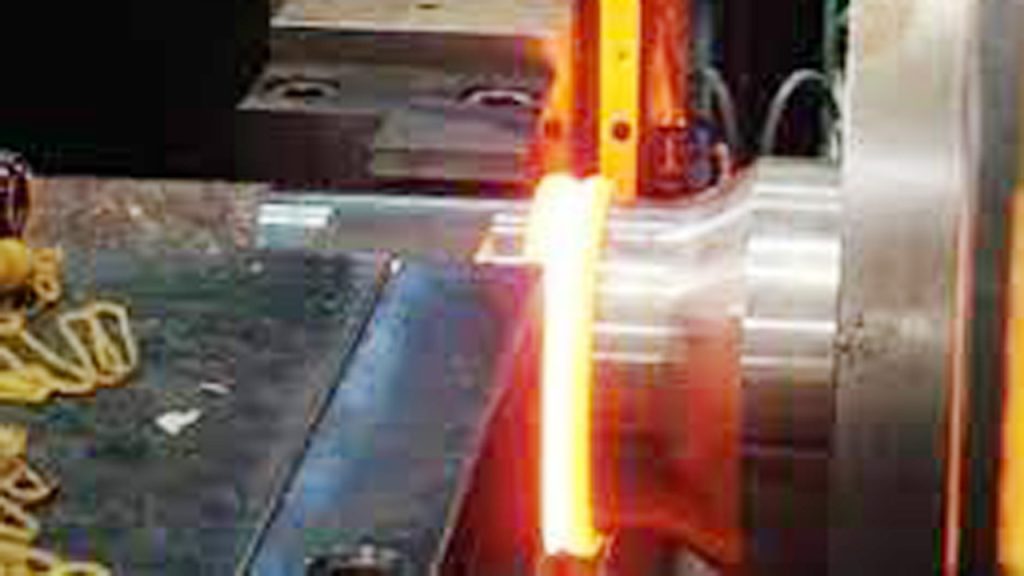
Image by market-prospects
We’ll keep it simple, so whether you’re new to welding or you’ve been around metalworking for years, you’ll get a clear understanding of hot pressure welding and how it can be used.
What is Hot Pressure Welding?
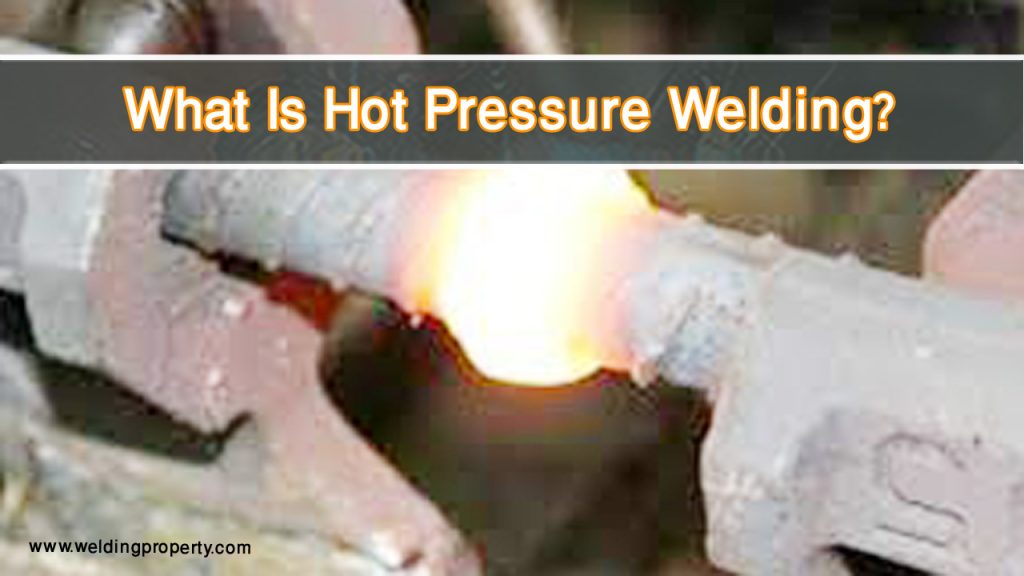
Hot pressure welding is a solid-state welding process that involves the joining of two metal surfaces through the application of heat and pressure.
Unlike some other welding methods that melt the metals to create a bond, hot pressure welding relies on raising the temperature of the metals until they’re malleable, then pressing them together to form a strong bond.
The key here is that the metals don’t actually melt. Instead, they are heated just enough to soften and become deformable. The pressure then causes the atoms on the surface of the metals to intermix, creating a solid and durable joint.
How Hot Pressure Welding Works
To really understand how hot pressure welding works, let’s break down the process step by step. This will give you a better picture of what’s happening and why this method is unique compared to others.
Step 1: Preparation of the Metal Surfaces
The first thing that needs to be done is preparing the surfaces of the metals to be welded. Both surfaces should be clean and free of contaminants such as dirt, rust, oil, or coatings. Any impurities can prevent a strong bond from forming, so the cleaner, the better.
After cleaning, the surfaces are aligned properly. The way the pieces are positioned plays a crucial role in the success of the weld because if they aren’t lined up well, the pressure might not be applied evenly.
Step 2: Heating the Metals
Now, the metal pieces are heated. This is usually done using a controlled heat source, such as a torch, furnace, or even electrical resistance. The heating process raises the temperature of the metals just below their melting point, causing the surface layers to soften.
The heating doesn’t need to be extremely high because you’re not trying to liquefy the metals. The idea is to get them to a state where they can be deformed under pressure.
Step 3: Applying Pressure
Once the metals are heated to the right temperature, pressure is applied to the pieces to be joined. The pressure needs to be high enough to cause the softened metal surfaces to come into intimate contact, allowing the atoms from each piece to intermingle.
The pressure applied essentially causes the metal surfaces to flow together at a microscopic level, which is what creates a strong, solid bond. Think of it like pressing two pieces of clay together when they’re warm – with enough pressure, they become one solid mass.
Step 4: Cooling and Solidification
After the pressure is applied and the weld is formed, the metals are allowed to cool. The cooling process solidifies the bond, making it strong and durable. At this point, the two pieces of metal have essentially become one, and the joint is capable of handling significant mechanical stress.
Applications of Hot Pressure Welding
Hot pressure welding has some specific applications where it really shines. You’re likely to find it used in industries where strong, high-quality welds are required, and where traditional fusion welding might not be the best choice.
Railway Track Welding
Hot pressure welding is commonly used in the railway industry for welding rail tracks together. The process provides a strong and continuous joint, which is crucial for the stability and safety of train travel.
Since the weld is made without any filler material, the joint has similar properties to the original rail, ensuring a long lifespan.
Automotive Industry
In the automotive industry, hot pressure welding is used for welding certain components such as axles, drive shafts, and other parts that require strong, reliable joints. The process ensures that the welded sections can withstand high levels of stress and vibration, which are common in vehicles.
Aerospace Industry
When it comes to aircraft manufacturing, the quality of every joint is crucial for safety and performance. Hot pressure welding can be used to join parts made from high-strength alloys, which are often found in aerospace components. It ensures a strong bond without compromising the integrity of the materials.
Pipe and Tube Welding
Hot pressure welding is also used for joining pipes and tubes, particularly in high-pressure or high-temperature environments such as power plants and chemical processing facilities. The process provides a seamless joint that can handle the demands of such environments.
Advantages of Hot Pressure Welding
So, why would someone choose hot pressure welding over another method? There are several benefits that make it appealing for certain applications.
High-Strength Joints
The welds produced through hot pressure welding are typically very strong, as they don’t contain any filler material that could weaken the joint.
No Filler Material Needed
Since the process only relies on heat and pressure, there’s no need for any additional materials. This can make the welding process simpler and potentially more cost-effective.
Good for Similar Metals
Hot pressure welding works well for joining similar types of metals because the properties of the joint closely match the properties of the base materials.
Less Heat-Affected Zone
Compared to traditional welding methods where metals are melted, hot pressure welding causes a smaller heat-affected zone, reducing the risk of altering the material properties around the weld.
Disadvantages of Hot Pressure Welding
While hot pressure welding has its advantages, there are also some limitations that you should be aware of.
Limited to Certain Materials: This process works best with similar types of metals. It can be challenging to weld dissimilar metals using hot pressure welding.
Requires Precise Control: The success of the weld depends on achieving the right balance of temperature and pressure. Too much or too little of either can result in a weak weld.
Not Ideal for Thin Materials: If the materials being welded are too thin, applying pressure might cause them to deform or break.
Equipment Limitations: Hot pressure welding requires specialized equipment that may not be as versatile as standard welding machines.
Hot Pressure Welding vs Other Welding Techniques
To give you a clearer picture of where hot pressure welding fits, let’s compare it with some other welding techniques. This can help you understand when hot pressure welding might be the better choice.
| Welding Method | Filler Material Required | Best for | Heat-affected Zone | Skill Level Required |
|---|---|---|---|---|
| Hot Pressure Welding | No | High-strength joints in similar metals | Small | Moderate to High |
| MIG Welding | Yes | Joining a variety of metals | Moderate | Low to Moderate |
| TIG Welding | Yes | Precise welding on thin or intricate parts | Small | High |
| Stick Welding (SMAW) | Yes | Outdoor or heavy-duty applications | Large | Moderate |
| Oxy-Acetylene Welding | No | Repair work and cutting metals | Large | Low to Moderate |
Factors to Consider When Choosing Hot Pressure Welding
Before deciding on hot pressure welding for your project, you should think about the following factors:
Material Type
Make sure that the metals you’re planning to join are suitable for hot pressure welding. This method is best for similar metals that have a high melting point.
Joint Requirements
If you need a very high-strength joint, hot pressure welding might be a great choice. However, if you’re welding thin materials or dissimilar metals, you might want to explore other options.
Equipment Availability
Since hot pressure welding requires specialized equipment, it’s important to make sure you have access to the necessary tools before choosing this method.
Conclusion
Hot pressure welding is a solid-state welding process that uses heat and pressure to join metal surfaces. It’s particularly useful for applications where high-strength, high-quality welds are needed, such as in railway tracks, automotive components, and aerospace parts.
The process is unique because it doesn’t rely on filler material, instead creating a bond by heating the metal to a point where it can be deformed and pressed together.
Understanding how hot pressure welding works and its benefits can help you determine if it’s the right welding method for your project.
While it has its limitations, when used in the right scenarios, it can produce joints that are strong, reliable, and long-lasting.