If you’re ever in a situation where you need to warm up a space, dry materials, or even work with plastic welding, you’ll probably come across two popular tools: hot air blowers and hot air heaters. At first glance, they might seem similar because they both produce hot air, but they actually serve different purposes and work in different ways.
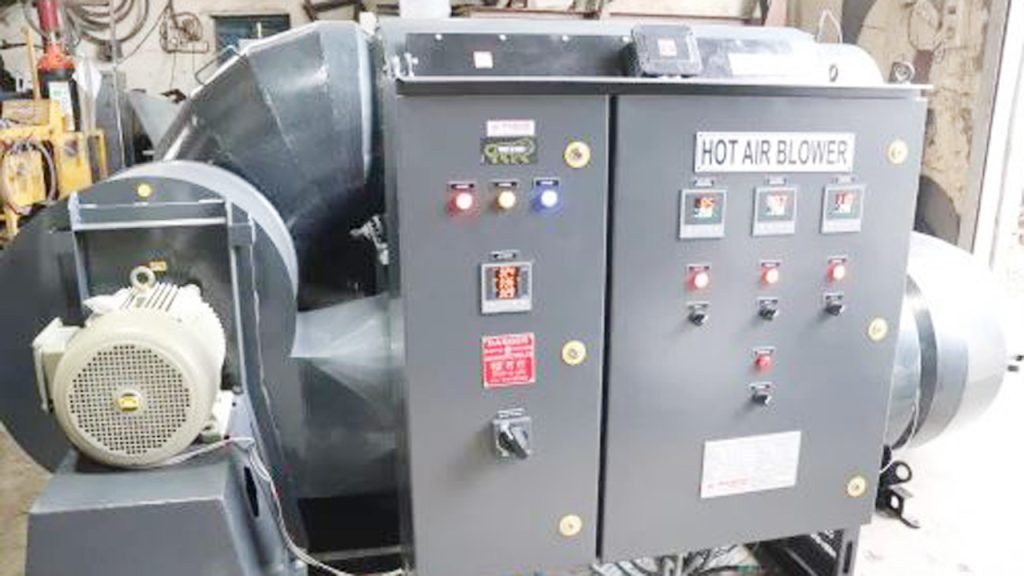
Image by maheshfabricators
I have had my fair share of experiences using both of these tools, and I can tell you that while they can be used interchangeably in some cases, each has its own set of advantages depending on what you’re trying to accomplish. Let’s break down the differences, uses, and benefits of both hot air blowers and hot air heaters.
Hot Air Blowers
Hot air blowers are devices that blow a stream of hot air out of a nozzle. They are commonly used for various applications such as shrinking plastic wrap, drying surfaces, removing paint, or softening adhesives.
When I think about hot air blowers, I picture something like a handheld device or an industrial unit that’s designed to generate and direct hot air where it’s needed.
These tools work by using a fan to draw in air and then passing it over a heating element. The heated air is then blown out through a nozzle or a vent, making it easy to target specific areas. Some hot air blowers allow you to control the temperature and airflow speed, making them quite versatile for different tasks.
Common Uses of Hot Air Blowers
Hot air blowers are extremely handy and can be used in a wide variety of applications, such as:
- Plastic Welding: They’re used to soften and bond plastic materials.
- Heat Shrinking: For shrinking heat-shrink tubing or wrapping.
- Paint Stripping: Helps remove paint from surfaces.
- Drying: Speeds up the drying of materials, especially in industrial settings.
- Thawing Pipes: Useful in winter for thawing frozen pipes.
I have used hot air blowers mostly for DIY home improvement projects, like removing old paint or softening glue for tile removal. They’re pretty versatile and come in handy more often than you might think.
Hot Air Heaters
Now, when we talk about hot air heaters, the main idea is still heating air, but the purpose is usually to increase the temperature of a space rather than directing hot air to a specific target. Hot air heaters are commonly used in HVAC systems, industrial drying processes, and for heating buildings.
Unlike hot air blowers, hot air heaters are usually larger and can be integrated into systems for temperature control over a wide area. They can be powered by electricity, gas, or other fuels and are designed to continuously generate hot air that is then distributed throughout a space.
In an industrial setting, they might be used to dry large batches of materials, heat warehouses, or maintain a controlled environment for certain processes.
Common Uses of Hot Air Heaters
Hot air heaters are more specialized for applications where maintaining or increasing the ambient temperature is necessary. Some of their common uses include:
- Space Heating: Ideal for warming up rooms or warehouses.
- Industrial Drying: For drying bulk materials, including food, textiles, and wood.
- Temperature Control: Used in systems where a stable temperature needs to be maintained.
- Construction Sites: Helps to dry materials like concrete and prevent moisture buildup.
- Ventilation Systems: Integrated into HVAC units to maintain temperature control.
Differences Between Hot Air Blowers and Hot Air Heaters
Now that you have a sense of what each tool is used for, let’s dive deeper into the differences between hot air blowers and hot air heaters. There are some key characteristics that set them apart, and understanding these differences can help you choose the right tool for the job.
Purpose and Functionality
The primary difference lies in their intended use. Hot air blowers are designed for specific, targeted applications where direct heat is needed on a small area. This makes them suitable for tasks like plastic welding, paint removal, and shrinking materials.
On the other hand, hot air heaters are designed to heat larger spaces or to raise the temperature of a controlled environment.
Size and Portability
Hot air blowers are generally smaller and more portable, making them easy to carry around and use for various tasks. They’re often handheld, and even the larger industrial models are still fairly easy to move around.
Hot air heaters tend to be larger and more stationary, especially when they are integrated into HVAC systems or industrial equipment.
Temperature Control
Both hot air blowers and heaters can come with adjustable temperature settings, but hot air blowers typically offer more precise control over where the heat is applied.
This precision can be essential when working with delicate materials. Hot air heaters, however, are better for maintaining consistent temperature levels over a larger area, which is not usually required with hot air blowers.
Applications
While there is some overlap, the applications differ quite a bit. If you need a tool for projects that involve concentrated heat on a small scale, like crafting or repairs, a hot air blower is usually the way to go. For heating entire rooms, warehouses, or maintaining ambient temperatures, a hot air heater is more appropriate.
Hot Air Blower vs Hot Air Heater
Here’s a quick comparison table to help you see the main differences between hot air blowers and hot air heaters:
| Feature | Hot Air Blower | Hot Air Heater |
|---|---|---|
| Primary Use | Targeted heat application | Ambient heating |
| Size | Smaller and portable | Larger and often stationary |
| Temperature Control | More precise for small areas | Better for consistent large area heating |
| Applications | DIY, plastic welding, heat shrinking | HVAC systems, industrial drying, space heating |
| Power Source | Usually electric | Electric, gas, or other fuels |
When to Use a Hot Air Blower
If you’re wondering when to reach for a hot air blower instead of a heater, here are some scenarios where a blower would be the better choice:
- DIY Home Projects: Whether you’re stripping paint, shrinking plastic wrap, or thawing frozen pipes, a hot air blower is the go-to tool.
- Crafting: Perfect for art and crafts projects that require precise heating, such as embossing or bending plastics.
- Automotive Use: They can help soften adhesives for removing car decals or tint.
- Plumbing: Useful for thawing frozen pipes without applying direct flame.
When to Use a Hot Air Heater
On the flip side, a hot air heater is ideal for situations where you need to warm up a larger space or maintain a stable temperature. Here are some situations where hot air heaters excel:
- Heating a Room or Building: If you need to keep an area warm, especially during winter, a hot air heater will do the job.
- Industrial Drying: Suitable for drying bulk materials like wood, textiles, or food products.
- Construction Sites: Helps with drying concrete or maintaining a certain temperature to ensure proper curing.
- Large Workshops or Warehouses: Great for keeping workers comfortable by maintaining a consistent temperature.
Can You Use a Hot Air Blower as a Hot Air Heater?
This question comes up often, and while you technically can use a hot air blower to warm up a small area, it’s not designed to function like a hot air heater.
A hot air blower doesn’t have the capacity to consistently heat a larger space, and using it this way could cause it to overheat. It’s like trying to use a hair dryer to heat a room—it just doesn’t have the power or efficiency.
Final Thoughts
Choosing between a hot air blower and a hot air heater depends on your specific needs. If you need precise, directed heat for tasks like crafting, welding, or drying small areas, a hot air blower will be your best friend.
If you’re looking to heat a large space, dry materials in bulk, or maintain a stable temperature in a room or industrial setting, then a hot air heater is the way to go.
I find that having both tools on hand makes life a lot easier, especially if you’re someone who likes to tackle various DIY projects or has different heating needs.
Each serves its purpose, and knowing when to use one over the other can save you time, energy, and money. So, think about what you’re trying to achieve, and choose the tool that best suits your situation.