Standing beside heated metal parts under serious pressure, you can feel when a weld is about to succeed—or fail. I first paid attention to the hot pressure welding process when I saw joints come out clean and solid without sparks, filler wire, or a visible arc. It felt counter-intuitive at first, but once you understand what’s happening, it makes a lot of sense.
This process matters because it creates strong, reliable bonds by combining heat and force instead of melting everything together. In industries where durability, alignment, and material integrity are critical, hot pressure welding can outperform traditional methods. I learned through hands-on exposure how temperature control and pressure timing make or break the joint.
If you’ve ever wondered how metals fuse under heat and force alone—and why industries trust this method—I’ll walk you through how it works, where it’s used, and what really makes it effective. Let’s break it down step by step.
What Exactly Is Hot Pressure Welding and How Does It Differ from Traditional Methods?
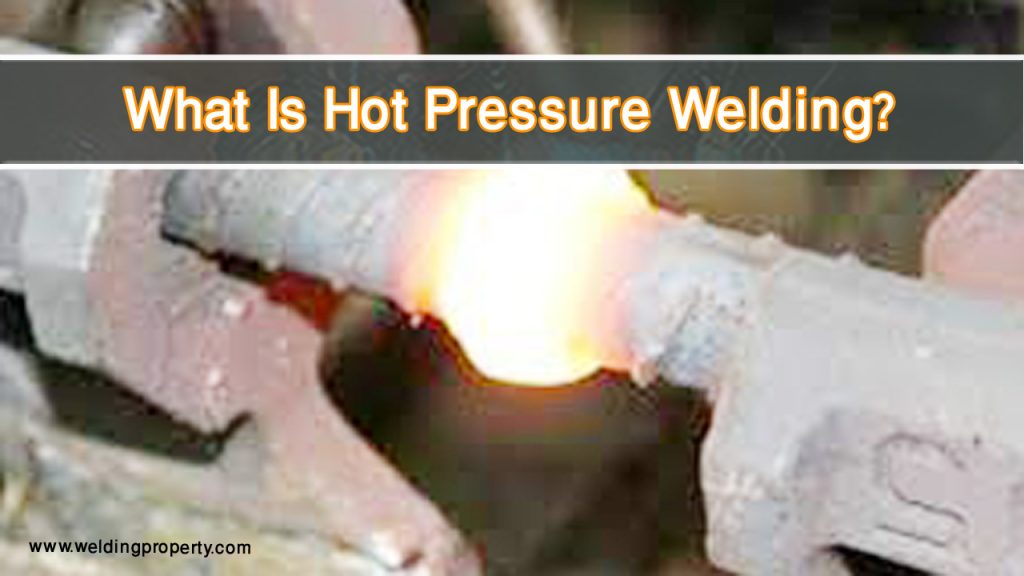
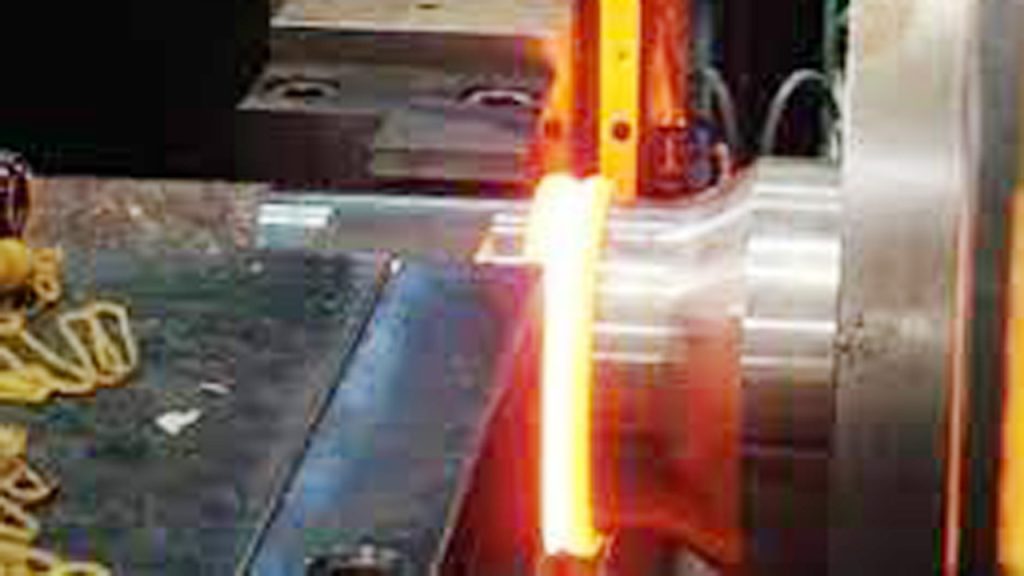
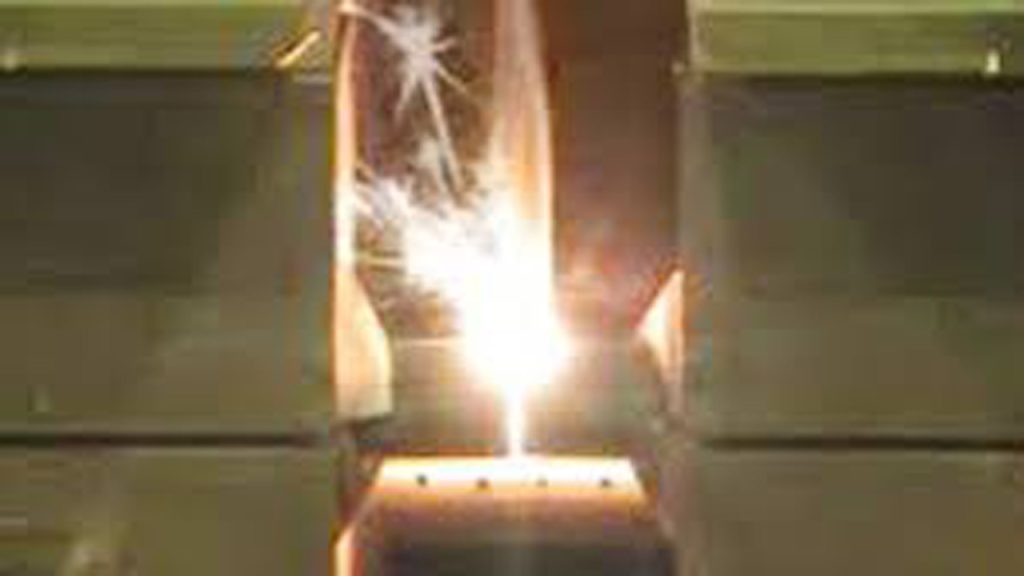
Hot pressure welding, often abbreviated as HPW, is a solid-state welding technique where you heat two metal pieces to a plastic state—just hot enough to deform without fully melting—and then apply intense pressure to forge them together. Think of it as modern forge welding, but with precise control for industrial use.
The process works by first cleaning the surfaces to remove oxides, then heating them uniformly, usually in a controlled environment like a vacuum or inert gas shield to prevent contamination. Once they’re at the right temperature—typically 50% to 90% of the metal’s melting point—you clamp or press them with forces ranging from 10 to 100 MPa, depending on the material.
This pressure causes macro-deformation, breaking any remaining oxide layers and allowing atomic bonds to form across the interface.
I remember my first HPW job on aluminum alloys; we used a hydraulic press setup, and the key was even heating to avoid hot spots that could cause uneven bonding. Compared to arc welding like SMAW, which melts the metal and adds filler, HPW keeps the microstructure intact, reducing heat-affected zones and distortion.
It’s ideal when you need high-strength joints without altering material properties, but it’s not for every situation—skip it if your parts can’t handle the pressure or if you’re working with dissimilar metals that don’t bond well under heat.
In practice, use HPW for applications where fusion welding might introduce cracks or porosity, like in high-pressure vessels or aerospace frames.
Always preheat your fixtures to match the workpiece temperature; it prevents thermal shock and ensures consistent pressure application.
When Should You Choose Hot Pressure Welding Over Other Solid-State Techniques?
You’re fabricating a custom exhaust system for a race car, and you need joints that withstand vibration and heat cycles without failing. That’s a prime spot for hot pressure welding, especially if friction stir welding equipment is out of your budget.
This process shines when joining similar metals like steels, titanium, or aluminum alloys in environments demanding fatigue resistance. Why? Because the weld strength often exceeds 90% of the base material, thanks to the diffusion bonding that happens under pressure. Use it for tubular structures, pressure vessels, or even wire joining in electronics where minimal distortion is crucial.
From my experience, beginners often jump to arc methods because they’re familiar, but HPW cuts down on post-weld cleanup—no slag or spatter. Pros might overlook it for speed, but in precision work, it’s worth the setup time.
A common mistake? Applying uneven pressure, which leads to weak spots. Fix that by using calibrated presses and checking alignment with feeler gauges before heating.
For US-based setups, look at machines from brands like MTI or custom hydraulic presses from local fabricators. They handle pressures up to 200 tons, perfect for mid-sized jobs. And always consider material compatibility—titanium loves HPW, but high-carbon steels might need post-heat treatment to avoid brittleness.
How Do You Prepare Joints for Hot Pressure Welding to Avoid Common Failures?
Joint preparation is where most HPW jobs go right or wrong—I’ve seen pros waste hours on rework because they skimped here. Start with what it is: Cleaning and shaping the faying surfaces to ensure intimate contact under pressure.
How it works: Machine the edges to be flat and parallel, aiming for a surface roughness of Ra 0.8 μm or better. Degrease with solvents, then etch or abrade to remove oxides. For aluminum, a quick acid dip does wonders; for steels, mechanical grinding followed by ultrasonic cleaning.
When and why: Do this right before welding to prevent re-oxidation. It matters because any contaminant acts as a barrier, leading to incomplete bonding and potential delamination under load.
I once had a batch of nickel alloy parts fail inspection due to oil residue—lesson learned, always wear gloves and use lint-free wipes.
For repair jobs, if you’re fixing a bad weld, grind out the defect completely and re-prep as if it’s new. Suggest pressure testing the joint post-weld with dye penetrant to catch hidden flaws early.
| Joint Type | Preparation Method | Recommended Materials | Pressure Range (MPa) |
|---|---|---|---|
| Butt Joint | Machined flat ends, etched surfaces | Low-carbon steel, aluminum | 20-50 |
| Lap Joint | Overlapped with abrasive cleaning | Titanium alloys | 40-80 |
| T-Joint | Beveled edges, vacuum cleaned | Nickel-based superalloys | 50-100 |
This table helps visualize setups—adjust based on your machine’s capabilities.
Step-by-Step Guide to Setting Up and Executing a Hot Pressure Weld
I’ve done hundreds of these, and the key is methodical steps to build confidence.
First, select your materials—ensure they’re compatible, like pairing 6061 aluminum with itself for best results. Check certifications; in US shops, ASTM standards guide this.
Step 1: Prep the joints as above. Measure and mark alignment points.
Step 2: Set up the equipment. Use a resistance heater or induction coils to reach target temps— for steel, aim for 900-1100°C; for aluminum, 400-500°C. Calibrate your pyrometer; inaccuracies here ruin welds.
Step 3: Align parts in the press. Apply initial light pressure to hold them.
Step 4: Heat gradually. Monitor with thermocouples embedded near the joint. Once at temp, hold for 5-30 minutes to allow uniform plasticity.
Step 5: Ramp up pressure. Start slow to avoid cracking, then hit full force. Dwell time varies—10 seconds for thin sections, up to minutes for thick ones.
Step 6: Cool under pressure. This prevents spring-back and locks the bond.
Step 7: Inspect. Use ultrasonic testing for internal defects; visual for surface issues.
On a repair for a hydraulic line, I overheated once and got warping. Fixed by lowering temp 50°C and increasing pressure slightly—perfect bond after.
Always wear heat-resistant gear; hot parts can burn through standard gloves. Ventilate if using gas shields to avoid asphyxiation.
What Are the Pros and Cons of Hot Pressure Welding in Everyday Fabrication?
Every process has its ups and downs, and HPW is no exception. Let’s weigh them honestly.
Pros: Exceptional joint strength without fillers, minimal distortion, and preserved material properties. It’s eco-friendly—no fumes from melting. Great for vacuum environments in aerospace.
Cons: Requires expensive equipment like vacuum chambers for high-end jobs. Slower than arc welding, and not suited for thin sheets or dissimilar metals without tweaks. High initial setup cost, though it pays off in reduced rework.
In comparison to friction welding, HPW is quieter and better for asymmetric parts, but friction is faster for rotationally symmetric ones. Vs. arc processes? HPW avoids heat-affected zone weaknesses, crucial for fatigue-prone repairs.
For hobbyists, start with a bench press and torch heating for small jobs—scale up as needed.
| Process | Strength (% of Base) | Distortion Level | Cost per Joint | Best For |
|---|---|---|---|---|
| HPW | 90-100% | Low | Medium-High | Precision aerospace |
| SMAW | 70-90% | Medium | Low | General repairs |
| Friction Welding | 85-95% | Low | High | Cylindrical parts |
| Laser Welding | 80-95% | Very Low | High | Thin materials |
Use this table when deciding—HPW edges out for strength in critical apps.
Handling Materials and Settings for Optimal Hot Pressure Welds
Material choice drives everything in HPW. For steels, low-carbon types weld easiest; high-alloy need higher pressures to break oxides.
Settings: Pressure 20-100 MPa, temps 0.5-0.9 Tm (melting point). For titanium, 800-950°C and 50 MPa works well.
Compatibility: Stick to similar metals; for hybrids, add interlayers.
Tip: In US machines like those from Sciaky, program ramps for pressure to avoid shocks.
Common mistake: Ignoring soak time, leading to shallow bonds. Fix by extending hold at temp.
Safety Considerations Every Welder Needs to Know for Hot Pressure Welding
Safety isn’t optional—I’ve seen burns from hasty handling. Key: Insulate hot zones, use remote controls for presses.
Consider pressure hazards; calibrate gauges weekly. For vacuum setups, check seals to prevent implosions.
Practical: Always have a fire watch; overheated parts can ignite nearby flammables.
Real-World Applications: From Aerospace Repairs to Custom Fabrications
In aerospace, HPW joins turbine blades without weakening them. For hobbyists, it’s great for custom bike frames.
Shop story: Fixed a cracked manifold on a vintage tractor—HPW kept the original strength, no leaks after years.
Why use it? Reduces costs on exotic materials by avoiding fillers.
Tip: For repairs, mock up on scrap first.
Troubleshooting Bad Bonds in Hot Pressure Welding
Bad bond? Often from poor prep or uneven heat.
Signs: Low strength on pull tests, voids on X-rays.
Fixes: Re-clean, adjust temp by 10-20°C.
Pro mistake: Rushing cooldown—always control it.
I’ve turned failed jobs around by sectioning and analyzing—saves time long-term.
Final Thoughts
Diving into hot pressure welding has transformed how I approach tough joins, giving me options beyond the torch. You’re now armed with the know-how to pick HPW when it fits, avoiding pitfalls that waste time and material.
It equips you to tackle jobs with confidence, knowing your welds hold up under real stress. Always log your parameters—temps, pressures, times—for every job; it’s your blueprint for repeating success and tweaking failures.
FAQ’s
Can Hot Pressure Welding Be Used on Dissimilar Metals?
Absolutely, but with caveats. It works best with metals of similar melting points, like aluminum to copper with an interlayer. Prep is key—etch both aggressively. In practice, I’ve bonded steel to titanium this way for hybrid parts, applying 60 MPa at 850°C for solid results.
What Temperature Range Should I Aim For in Hot Pressure Welding Steel?
For most steels, 900-1100°C hits the sweet spot—below melting to stay solid-state. Monitor with pyrometers; too low and bonding fails, too high risks fusion. Shop test: Start at 950°C, adjust based on deformation observed.
How Do I Know If My Hot Pressure Weld Is Strong Enough?
Test it destructively on samples—tensile pull should reach 90% of base strength. Non-destructively, use ultrasonics for voids. If it fails, check pressure logs; often, insufficient dwell time is the culprit.
Is Hot Pressure Welding Suitable for Thin Materials?
Not ideally—thin sheets warp under pressure. Stick to 5mm+ thicknesses. For thinner, consider ultrasonic welding. I’ve adapted by using lower pressures (20 MPa) and fixturing to support, but it’s tricky.
What’s the Biggest Mistake Beginners Make with Hot Pressure Welding?
Rushing the heating phase, leading to uneven temps and weak spots. Take your time—soak for at least 10 minutes. Patience here prevents costly do-overs.