
Welding brass to mild steel is a task that can look simple, but it hides some unique challenges. If you try to join these metals using standard welding techniques, things can quickly go wrong. The main reason? Brass and mild steel have different melting points, chemical properties, and behaviors under heat.
If you want a strong, safe, and lasting joint, you need a smart approach and a clear understanding of what’s happening at each step.
Many people start by asking, “Is it even possible? ” The answer is yes—if you use the right technique and prepare carefully. Whether you’re a hobbyist, a metal artist, or working in a repair shop, learning how to weld brass to mild steel opens up new possibilities.
You can create custom parts, repair machinery, or build unique structures. This guide will walk you through every step, from understanding the metals to choosing the best welding method, preparing the materials, and making the weld. You’ll also learn about common mistakes, safety tips, and advanced troubleshooting.
Let’s break down the process and make it practical, so you can get real results and avoid problems that frustrate many beginners.

Image by reddit
Understanding Brass And Mild Steel
Before you start welding, it’s important to know what you’re working with. Brass is a copper-zinc alloy. Its color ranges from yellow to red, depending on the amount of zinc. Brass is softer than steel, conducts heat well, and melts between 900–940°C (1650–1725°F).
Mild steel, on the other hand, is a low-carbon steel, strong, magnetic, and melts at a higher range, around 1425–1540°C (2600–2800°F).
What does this difference mean for welding? The lower melting point of brass means it can easily overheat, boil, or lose zinc as vapor—a problem called “zinc fume fever” if inhaled. Mild steel is tougher, so you need more heat to melt it.
If you use too much heat, the brass can melt or even burn away before the steel melts.
Another challenge is bonding: brass does not fuse to steel the same way steel fuses to steel. This is why the choice of welding process and filler metal is critical.
Key insights:
- Zinc vapor from brass can be dangerous. Always weld in a well-ventilated area.
- Thermal expansion rates are different. If you cool the joint too fast, cracks may form.
Choosing The Best Welding Method
There is no single “best” way to weld brass to mild steel, but some methods work better than others. Let’s look at the most common options:
- Brazing
- MIG Welding (GMAW)
- TIG Welding (GTAW)
- Soldering (for light-duty work)
- Stick Welding (SMAW)
Brazing
Brazing is the most recommended technique for joining brass to mild steel. It uses a filler metal (usually with a lower melting point than either base metal) and does not melt the base metals. Instead, the filler flows between the pieces and bonds them.
Why brazing?
- It avoids overheating the brass.
- It creates a strong bond if done right.
- Filler metals like silver brazing alloys or bronze work well.
When to use: For most structural, decorative, or repair work involving brass and mild steel.
Mig Welding
MIG welding can join these metals, but you need special filler wire, such as silicon bronze (ERCuSi-A). The process uses a shielding gas, often argon or a mix.
Pros:
- Faster than TIG or brazing.
- Good for sheet metal.
Cons:
- Not as strong as brazed joints.
- Risk of overheating and zinc fumes.
Tig Welding
TIG welding gives the most control but is also the most skill-intensive. Use a silicon bronze filler rod and pure argon shielding gas.
Pros:
- Clean, precise welds.
- Less risk of contamination.
Cons:
- Slower, requires a steady hand.
- Overheating brass is easy if you’re not careful.
Soldering
For small or decorative items, soft soldering can join brass to steel. It uses a lead-free or silver solder, and a flux.
When to use: For non-structural, light-duty applications.
Stick Welding
Rarely used for brass to steel, but possible with nickel-based electrodes. Usually not recommended due to the risk of poor bonding and excessive heat.
Comparison Table: Welding Methods for Brass to Mild Steel
| Method | Strength | Difficulty | Best For | Notes |
|---|---|---|---|---|
| Brazing | High | Medium | Most joints | Low risk of brass damage |
| MIG Welding | Medium | Medium | Sheet metal | Use silicon bronze wire |
| TIG Welding | High | High | Precise work | Good for thin brass |
| Soldering | Low | Low | Light-duty | Not for heavy loads |
| Stick Welding | Low-Medium | High | Rarely used | Risk of poor fusion |
Practical tip: For most projects, start with brazing. Move to TIG or MIG only if you have experience or need a cleaner finish.
Preparing The Materials
A strong weld starts with good preparation. Skipping this step is a common beginner mistake.
Cleaning The Metals
Both brass and mild steel must be clean. Any oil, dirt, or oxidation will weaken the joint.
- Use a wire brush, sandpaper, or grinder to remove surface rust, paint, or tarnish.
- Degrease with acetone or alcohol. Do not use water, as it can cause rust on steel.
- For brass, remove any lacquer or coating.
Fitting The Pieces
A tight, even fit is important. Gaps make the weld weak and messy.
- Clamp the pieces together if possible.
- For butt joints, bevel the steel edge slightly for better filler flow.
- For lap joints, ensure at least 10mm overlap for strength.
Preheating (advanced)
Sometimes, preheating the steel helps reduce thermal shock and improves bonding. This is more common with thick sections.
- Preheat steel to around 150–200°C (300–400°F) with a torch.
- Do not preheat brass—it may melt.
Non-obvious insight: Mark the joint area with a pencil, not a marker. Some ink types can create fumes or interfere with the weld.
Safety Precautions
Welding brass to mild steel creates special hazards. You must protect yourself and your workspace.
- Ventilation: Zinc fumes from brass are toxic. Always weld in a well-ventilated area or use a fume extractor.
- Respiratory protection: Use a respirator rated for metal fumes, especially indoors.
- Eye and skin protection: Wear a welding helmet (auto-darkening is best), gloves, and long sleeves.
- Fire safety: Keep a fire extinguisher nearby. Remove flammable materials from the workspace.
- Hearing protection: Some processes, like MIG, can be loud.
Practical tip: Never weld brass-plated objects unless you know the base metal. The coating can create unexpected fumes or weld failures.
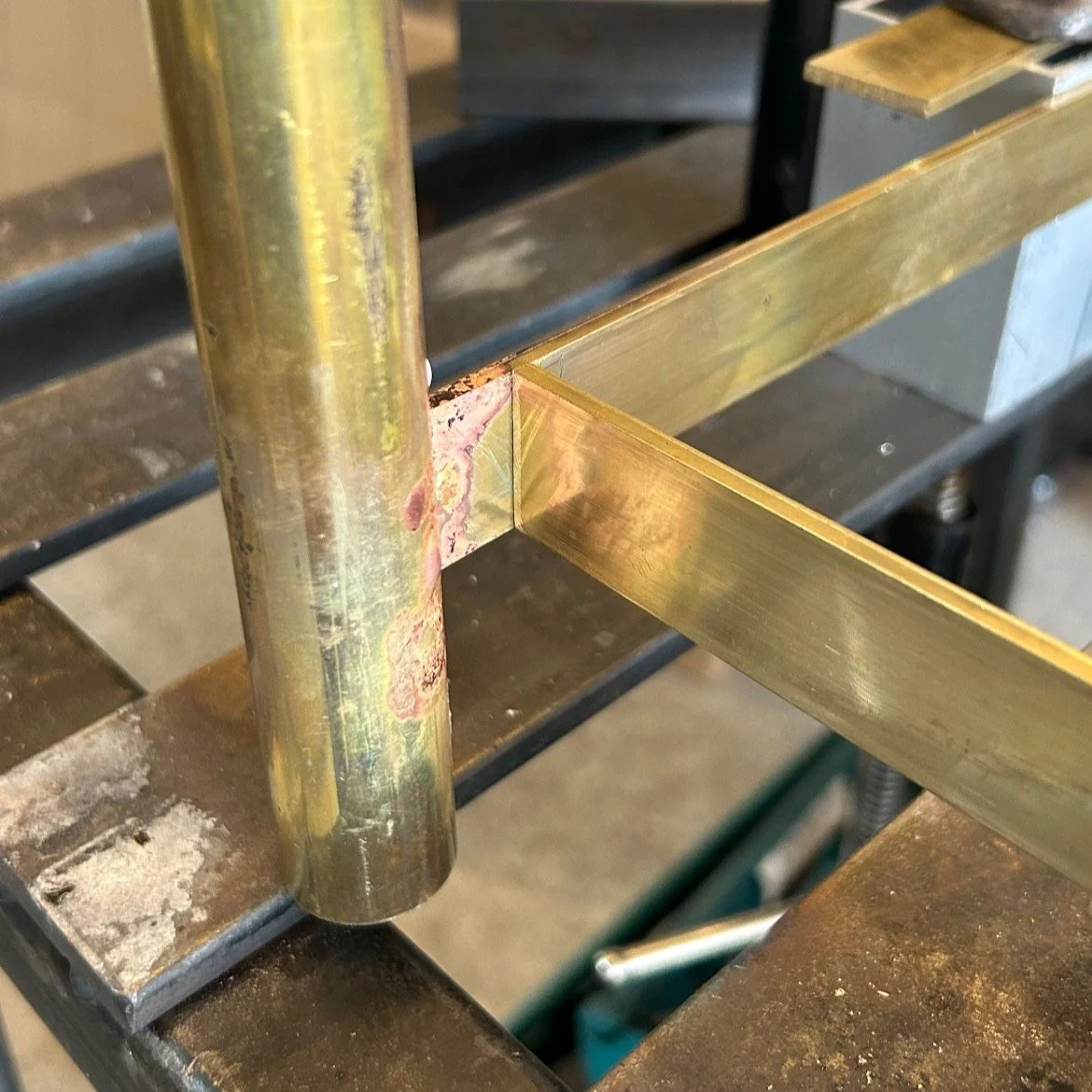
Credit: theweldspace.co.uk
Step-by-step Guide: How To Weld Brass To Mild Steel
Let’s walk through the main steps using the brazing method—the safest and most reliable for most users.
Step 1: Gather Tools And Materials
You will need:
- Oxy-acetylene torch or propane torch (for thin sections)
- Silver brazing rod or silicon bronze rod
- Flux (for brazing; borax-based works well)
- Clean brass and mild steel pieces
- Clamps to hold work
- Wire brush and sandpaper
- Welding helmet, gloves, respirator
Step 2: Clean And Fit The Metals
- Brush, sand, and degrease both surfaces.
- Align and clamp the pieces tightly.
Step 3: Apply Flux
- Brush flux onto both joint surfaces. Flux prevents oxidation and helps the filler flow.
Step 4: Heat The Joint
- Focus the torch on the steel side first—it needs more heat.
- Move the flame in small circles to avoid overheating brass.
- Watch for the flux to become clear and liquid; this means the metals are hot enough.
Step 5: Apply Filler Metal
- Touch the brazing rod to the joint. It should melt and flow into the seam.
- If the rod balls up, the joint isn’t hot enough.
- Move the flame as needed, but never keep it on one spot too long.
Step 6: Let It Cool Naturally
- Do not quench with water. Fast cooling can crack the brass.
- Allow the joint to air-cool.
Step 7: Clean The Joint
- Remove flux residue with warm water and a brush.
- Inspect the joint for any gaps or incomplete coverage.
Example: Suppose you’re joining a brass plate to a mild steel frame for a decorative sign. After cleaning and clamping, you preheat the steel, apply flux, and carefully heat until the filler flows. You let it cool, clean off the flux, and end up with a solid, golden-colored joint.
Alternative Methods: Mig And Tig
If you use MIG or TIG welding, the basic steps are similar but with key differences.
Mig Welding Steps
- Use a silicon bronze wire (ERCuSi-A) and pure argon gas.
- Set the machine to low-to-medium voltage (try 16–18 volts).
- Use a short, quick weld to avoid overheating brass.
- Weld in small sections, allowing cooling between passes.
Tig Welding Steps
- Use a silicon bronze filler rod and pure argon shielding gas.
- Set low amperage (40–80A for thin metals).
- Focus the arc on the steel, dip the filler into the puddle, and move quickly.
- Clean the joint after cooling.
Non-obvious tip: With TIG, if you see green flames, you are vaporizing zinc—reduce the heat or adjust your angle.
Common Mistakes And How To Avoid Them
Many beginners make the same errors when welding brass to mild steel:
- Overheating the brass: This causes warping, melting, and zinc fumes. Always heat the steel first and use a gentle flame.
- No flux or wrong flux: Skipping flux leads to poor bonding and dirty joints. Use the correct type for your filler metal.
- Dirty surfaces: Even a little oil or rust can ruin the weld. Clean thoroughly.
- Wrong filler rod: Regular steel rods do not bond well to brass. Always use silicon bronze or silver brazing rods.
- Too much filler: This makes a blob instead of a smooth joint. Feed slowly and evenly.
- Poor ventilation: Never ignore fume risks. Work outside or use extraction.
Testing The Weld
After welding, you should always test the joint, especially if it will bear weight or pressure.
- Visual inspection: Look for full coverage, smooth bead, no cracks or holes.
- Tap test: Lightly tap the joint with a hammer. A dull sound may mean a weak bond.
- Bend test: For practice pieces, try bending the joint. If it breaks easily, check your technique.
- X-ray or ultrasonic testing: For critical parts (like in industry), advanced testing may be used.
Practical example: In a repair shop, after brazing a brass fitting to a steel pipe, a pressure test is done to check for leaks.
Advanced Tips For Stronger Welds
Going beyond the basics can improve your results and prevent future problems.
- Pre-tinning: For small parts, melt a thin layer of filler on both surfaces before joining. This helps bonding.
- Backstep welding: In MIG or TIG, weld in short sections moving backward to reduce heat buildup.
- Edge rounding: File the steel edges slightly round. This helps filler flow and reduces stress risers.
- Post-weld stress relief: For thick sections, very slow cooling or mild reheating can reduce internal stresses.
Expert insight: Sometimes, adding a small copper shim between brass and steel improves bonding, especially with TIG. The copper acts as a bridge and absorbs excess heat.
Maintenance And Longevity
A brass-to-steel weld can last for decades if made correctly, but you must protect it from corrosion and mechanical stress.
- Paint or seal the joint if exposed to moisture to prevent rust on steel.
- Avoid strong acids or bases near the joint; they can attack the metals.
- Inspect regularly for cracks, discoloration, or leaks.
- Do not reheat welded parts unless you know the filler metal type.
Data point: Tests show that a properly brazed brass-to-steel joint can be up to 80% as strong as a welded steel-to-steel joint of the same size.

Credit: www.reddit.com
When To Use A Professional
Sometimes, the job is too critical or complex for home welding.
- High-pressure pipes
- Load-bearing structures
- Food or medical equipment
- Historical or irreplaceable items
In these cases, a certified welder or a specialized shop is recommended.
Environmental And Health Considerations
Brass welding is not just about strength—it’s also about safety and the environment.
- Zinc fumes can cause metal fume fever: Symptoms include nausea, chills, and headaches.
- Collect and dispose of waste flux and rods properly.
- Never dump rinse water with flux into drains.
Real-world Applications
Brass-to-steel welding is found in:
- Plumbing: Brass fittings to steel pipes.
- Art and sculpture: Mixed-metal artwork.
- Automotive repair: Brass bushings or inserts in steel parts.
- Musical instruments: Some brass instruments use steel keys or mounts.
- Antique restoration: Repairing old machines or decorative items.
Each application may need a different technique or filler—always check the requirements before you start.
Cost And Time Estimates
Welding brass to mild steel is affordable for most hobbyists. Here’s a rough breakdown:
| Item | Estimated Cost | Notes |
|---|---|---|
| Brazing rods (5-pack) | $10–$20 | Silver alloy costs more |
| Flux (250g) | $8–$15 | One can lasts long |
| Respirator | $30–$60 | Reusable, replace filters |
| Propane torch | $20–$40 | Oxy-acetylene for thick steel |
| Protective gear | $25–$100 | Helmet, gloves, etc. |
Time needed: For a small joint, expect about 30–45 minutes from setup to cleanup. Larger or more complex pieces may take several hours.
Wrapping Up
Welding brass to mild steel is a useful skill, and with careful technique, you can create strong, reliable joints. Start with small practice pieces, protect yourself from fumes, and pay attention to preparation and filler choice. With patience and attention, you can join these metals confidently and safely.
Frequently Asked Questions
What Filler Metal Should I Use For Welding Brass To Mild Steel?
The best filler is a silicon bronze rod (for MIG or TIG) or a silver brazing alloy (for torch brazing). Regular steel filler rods do not bond well to brass. Always use a compatible flux to help the filler flow and prevent oxidation.
Can I Use A Regular Welder To Join Brass And Steel?
Standard arc welders (stick/SMAW) are not ideal. They can overheat the brass and create weak joints. Use a MIG or TIG welder with the right filler wire, or a gas torch for brazing, for better results.
Is It Safe To Weld Brass Indoors?
Welding brass creates zinc fumes, which are toxic. It is only safe indoors if you have strong ventilation or a fume extractor, and wear a respirator. Outdoors or in a workshop with good airflow is much safer.
How Strong Is A Brass-to-steel Weld?
A properly made brass-to-steel joint using brazing or silicon bronze filler can reach up to 80% the strength of a steel-to-steel weld of the same size. For critical loads, always test the joint and consider consulting a professional.
What Is The Main Cause Of Weld Failure In Brass To Steel Joints?
The most common causes are overheating the brass, poor cleaning, or using the wrong filler metal. Always heat the steel first, use flux, and keep the joint clean for best results.


