
Welding two different metals is always a challenge, but joining brass to stainless steel brings a unique set of problems. Brass is a copper-zinc alloy, while stainless steel contains iron, chromium, and sometimes nickel. Their thermal properties, melting points, and chemical behavior are very different.
Yet, with the right methods, tools, and a bit of know-how, you can successfully weld these two metals together for projects in art, engineering, or repair.
I’ll walk you through everything you need to know, from preparation to finishing, so you can approach this task with confidence.

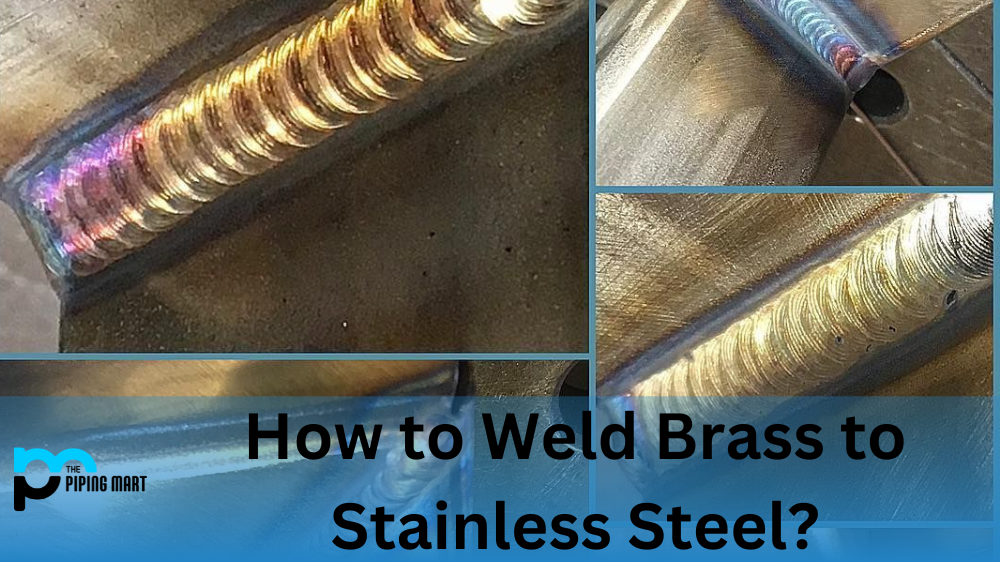
Image by reddit
Understanding Brass And Stainless Steel
To weld brass to stainless steel successfully, it helps to know how these metals behave.
Brass is known for its corrosion resistance, acoustic properties, and gold-like appearance. It melts at a lower temperature (around 900°C–940°C or 1650°F–1720°F). Brass is softer and more malleable than steel, but zinc in brass can vaporize during welding, creating toxic fumes.
Stainless steel is much stronger, harder, and melts at a higher temperature (about 1370°C–1530°C or 2500°F–2785°F). It’s resistant to corrosion due to the chromium in its composition. Stainless steel is less forgiving to heat distortion but does not emit harmful fumes like brass.
The main challenge is that brass and stainless steel expand and react differently when heated. This means you need to carefully control the welding process, select the right filler materials, and take safety precautions.
Why Weld Brass To Stainless Steel?
Combining brass and stainless steel is not just an exercise in technical skill. There are real-world reasons for this combination:
- Aesthetic value: Brass accents on steel can create a luxurious or industrial look.
- Electrical applications: Brass has good conductivity; stainless steel brings strength.
- Corrosion resistance: Both metals resist rust, but in different environments.
- Custom machinery or repairs: Sometimes, only parts made from different alloys are available.
Mixing these metals is common in musical instruments, marine hardware, plumbing, and decorative art.
Common Methods For Welding Brass To Stainless Steel
There is no single “best” way to join brass and stainless steel. The method depends on your tools, the size of the pieces, the joint type, and the final application. The most common approaches are:
- Brazing (also called hard soldering)
- TIG welding (Tungsten Inert Gas)
- Soldering
- Laser welding (for advanced industrial use)
Let’s look at each method in detail.
Brazing Brass To Stainless Steel
Brazing is the most popular and reliable technique for joining these metals. In brazing, you heat the metals and melt a filler metal (usually with a lower melting point than either base metal) to bond them together.
Why Brazing Works Well
Brazing does not melt the base metals. This prevents the zinc in brass from vaporizing (which would cause weak joints and toxic fumes). Silver-based brazing alloys and certain copper-phosphorus alloys are commonly used as fillers.
Step-by-step Brazing Process
- Clean the metals thoroughly. Use a wire brush or emery cloth to remove dirt, oil, and oxides.
- Fit the joint tightly. The better the fit, the stronger the bond.
- Apply flux. Flux prevents oxidation and helps the filler flow evenly.
- Heat evenly. Use a torch to warm both brass and stainless steel. Do not overheat.
- Add filler rod. When both pieces are hot enough, touch the filler rod to the joint. It should melt and flow into the seam.
- Cool slowly. Let the joint cool naturally to avoid cracking.
- Clean off flux residue. Use hot water or a brush.
Example: Joining A Brass Tube To A Stainless Steel Plate
Suppose you are making a custom lamp. A brass tube must be joined to a stainless steel base. After preparing both parts and applying flux, use a silver-based filler and heat the joint with a propane torch. The filler melts and forms a strong, neat bond.
Key Details To Watch
- Use the right filler alloy. Too much zinc in the filler can cause weak joints.
- Don’t overheat. Excess heat can cause brass to “de-zincify,” leaving it brittle.
- Always use proper ventilation. Zinc fumes are dangerous.
Tig Welding Brass To Stainless Steel
TIG welding allows for precise control of heat and filler metal. While more challenging, it is possible to TIG weld brass to stainless steel if you use the right technique.
Advantages And Challenges
TIG welding creates clean, strong joints and is good for thin or delicate pieces. However, it is easy to overheat the brass, causing zinc fumes and poor welds. Stainless steel can also warp if not managed carefully.
How To Tig Weld Brass To Stainless Steel
- Choose the right tungsten electrode. Pure tungsten or thoriated tungsten is suitable.
- Select a compatible filler rod. A high-silver-content rod works best.
- Set the correct current. Lower amperage reduces zinc vaporization.
- Preheat the brass slightly. This helps balance the temperature difference.
- Weld in short bursts. Avoid lingering in one spot.
- Use argon shielding gas. This protects the weld from oxidation.
Example: Tig Welding A Decorative Brass Inlay Into A Stainless Steel Panel
Artists sometimes want to weld a brass shape into a stainless steel door. By carefully controlling the torch and using a silver filler, a clean joint can be created without damaging the brass.
Common Mistakes
- Using too much heat. This is the most common cause of failed welds.
- Using the wrong filler. Avoid standard steel or brass rods; they often don’t work for dissimilar metals.
Soldering Brass To Stainless Steel
Soldering uses even lower heat than brazing. It is best for small parts, electronics, or delicate items.
Soldering Steps
- Clean both surfaces. Even a small amount of oil prevents solder flow.
- Apply flux. Use a flux suitable for both brass and stainless steel.
- Heat the joint gently. A soldering iron or small torch is enough.
- Apply solder. Lead-free silver solder is a good choice.
- Let it cool. Do not disturb the joint while cooling.
Limitations
Soldered joints are not as strong as brazed or welded ones. Only use soldering where mechanical strength is less important.
Laser Welding (advanced)
Laser welding is used in high-tech industries for precise, small joints. It is not common for home projects due to the high cost of equipment.
- Pros: Minimal distortion, very clean joints.
- Cons: Expensive, requires training.
Comparing The Welding Methods
To help you choose, here is a side-by-side comparison of the main joining techniques:
| Method | Strength | Heat Needed | Skill Level | Typical Use |
|---|---|---|---|---|
| Brazing | High | Medium | Beginner-Intermediate | Pipes, frames, art |
| TIG Welding | Very High | High | Advanced | Structural, decorative |
| Soldering | Low-Medium | Low | Beginner | Electronics, small items |
| Laser Welding | High | Very High (focused) | Expert | Precision components |
Tools And Materials Needed
Before you start, gather the right tools and materials. Here’s what you’ll likely need for brazing or TIG welding:
- Protective gear: Welding helmet, gloves, apron, and respirator
- Heat source: Torch (for brazing) or TIG welder
- Filler rod: Silver-based or compatible alloy
- Flux: Type that works for both brass and stainless steel
- Wire brush/sandpaper: For cleaning
- Clamps: To hold parts steady
- Ventilation: Fan or fume extractor
For soldering, a soldering iron and lead-free solder will be enough.
Preparing The Metals
Good preparation is half the battle. Poor preparation leads to weak joints and wasted time.
Cleaning
Both brass and stainless steel develop surface oxides that prevent a strong bond. Use a wire brush, sandpaper, or even a grinder to make the surfaces shiny and clean. Degrease with acetone or alcohol to remove oils.
Fitting
The joint should be as tight as possible. Gaps make for weak, porous joints. Use clamps if necessary.
Preheating
Because brass and stainless steel heat up at different rates, preheating the brass can help the joint form evenly. Use a gentle flame or place the brass in a warm spot before welding.
Safety Precautions
Zinc in brass produces hazardous fumes. Always work in a well-ventilated area and wear a respirator. Never weld in a closed space without proper fume extraction.

Credit: www.reddit.com
Step-by-step Guide: Brazing Brass To Stainless Steel
Here’s a practical, detailed walkthrough for brazing—the most recommended method for most users.
- Layout your work area. Place the metals on a fireproof surface. Make sure nothing flammable is nearby.
- Clean both metals. Use a wire brush or emery cloth. Wipe with acetone.
- Fit the joint. Use clamps to hold the pieces in contact.
- Apply flux generously. Cover both surfaces and the joint area.
- Preheat the brass (optional). Use a gentle flame for a minute or two.
- Heat the joint evenly. With your torch, move back and forth to avoid overheating brass.
- Touch the filler to the seam. If the joint is hot enough, the filler will melt and flow into the gap.
- Remove the heat when done. Do not move the parts while cooling.
- Clean off flux residue. Use a wire brush and hot water.
- Inspect the joint. Look for gaps, cracks, or poor flow.
Step-by-step Guide: Tig Welding Brass To Stainless Steel
If you have TIG equipment and some experience, you can get a very strong weld. Here’s how:
- Clean the metals. This is even more important for TIG welding.
- Set up the TIG welder. Use argon gas and a low-to-medium current.
- Preheat the brass. This helps match the different expansion rates.
- Tack weld. Make a few small welds to hold the parts.
- Weld in short passes. Move quickly; don’t let the brass get too hot.
- Add filler as needed. Use a silver alloy rod for the best joint.
- Let the joint cool slowly. Avoid quenching in water.
- Inspect and clean. Remove any residue and check the weld visually.

Credit: www.youtube.com
Troubleshooting Common Problems
Even experienced welders face challenges when joining brass and stainless steel. Here’s how to solve the most frequent issues:
- Porous or weak joints: Usually caused by poor cleaning or overheating.
- Cracked joint after cooling: Too much heat or cooling too quickly; try slower heating and cooling.
- Filler won’t flow: Surfaces are not clean or not hot enough; re-clean and try again.
- Excessive fumes: Too much heat or not enough ventilation; lower the temperature and increase airflow.
- Brass turns reddish or brittle: Indicates “de-zincification”; use less heat and a better filler.
Real-world Applications And Examples
- Marine hardware: Boat fittings often combine brass and stainless for both appearance and corrosion resistance.
- Musical instruments: Brass keys on stainless bodies are common in high-end saxophones and trumpets.
- Art projects: Sculptors use contrasting metals for visual effect.
- Plumbing repairs: Sometimes, only a brass fitting is available for a stainless pipe.
Safety Considerations
Safety is more important than speed or appearance. The most serious risks when welding brass to stainless steel are:
- Zinc fumes: Always wear a respirator and work with good ventilation.
- Eye injuries: Use a welding helmet with the right shade.
- Burns: Both metals conduct heat well; wear gloves and protective clothing.
- Fire hazard: Keep flammable materials away from the work area.
Cost Comparison: Brazing Vs. Tig Vs. Soldering
Here’s a quick look at the cost (equipment and materials) for each method:
| Method | Equipment Cost | Consumables (per joint) | Typical Setup Time |
|---|---|---|---|
| Brazing | $100–$300 (torch, accessories) | $2–$5 (filler, flux) | 10–15 min |
| TIG Welding | $800–$2,000 (TIG welder, gas) | $3–$6 (filler, gas) | 15–20 min |
| Soldering | $20–$100 (iron, basic kit) | $0.50–$1 (solder, flux) | 5–10 min |
Credit: www.gubbioscacchi.it
Two Insights Beginners Often Miss
- The importance of preheating: Many new welders skip preheating the brass. This causes uneven heating and poor joints. Even a few minutes of gentle warming makes a big difference.
- Choice of filler material: Using a generic brass or steel filler rarely works. A high-silver-content filler is almost always required for a strong, corrosion-resistant joint.
Tips For Best Results
- Practice on scrap pieces first. Every batch of brass or steel can behave slightly differently.
- Label your metals. Not all stainless or brass alloys weld the same. Know what you’re working with.
- Keep the work area clean. Dirt and oil cause more problems than you’d expect.
- Let joints cool slowly. Rapid cooling stresses the joint and can lead to cracks.
FAQs
Welding brass to stainless steel is not simple, but it’s entirely possible with the right tools, technique, and safety precautions. By understanding the properties of each metal, choosing the right joining method, and practicing good preparation, you can create strong, attractive, and durable joints for any project.
Remember to always prioritize safety, use the correct filler, and don’t rush the process. With care and attention, your finished work will look professional and last for years.
Frequently Asked Questions
What Is The Best Method For Welding Brass To Stainless Steel?
For most projects, brazing is the best method. It offers strong, clean joints without overheating the brass or causing toxic zinc fumes. TIG welding is good for advanced users or where maximum strength is needed.
What Filler Rod Should I Use For Joining Brass And Stainless Steel?
A high-silver-content brazing rod (such as 45% silver) is recommended. Avoid standard brass or steel rods, as they usually do not bond well with both metals.
Can I Use Mig Welding To Join Brass And Stainless Steel?
MIG welding is not recommended for this combination. The process is too hot for brass and often causes poor adhesion, porosity, and excessive fumes.
How Do I Avoid Zinc Fumes When Welding Brass?
Use lower heat settings, work in a well-ventilated area, and always wear a respirator. Brazing and soldering produce fewer fumes than direct welding.
Is The Joint As Strong As The Base Metals?
Brazed or TIG-welded joints are usually strong enough for most uses, but rarely as strong as the original base metals. For critical structural applications, a mechanical joint or specialized process may be better.


