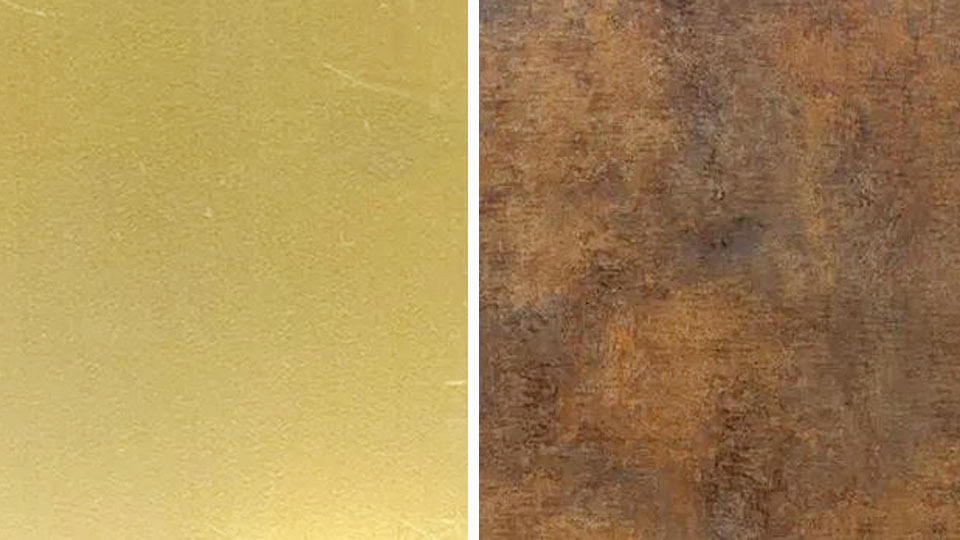
Brass and steel seem like two metals from different worlds. Brass feels mellow and musical, the color of a summer trumpet. Steel feels hard‑edged and blue‑gray, the backbone of every bridge and skyscraper I have ever admired.
Bringing the two together in one clean, reliable weld feels a little like coaxing jazz and heavy‑metal onto the same stage. I have done exactly that in fine‑art sculptures, custom marine fittings and even a quirky barbecue smoker that still draws double‑takes at every tailgate.

Image by thepipingmart
I will share everything I have learned—setups that succeed, mistakes that melt brass into puddles, quiet tricks that make the joint hold for decades. Settle in, pour yourself a cup of coffee, and let’s walk through it side by side.
Why Join Brass to Steel at All?
Sometimes a design simply calls for it. Brass resists corrosion and looks gorgeous once it patinas into warm browns and greens. Steel provides the strength and stiffness that brass alone cannot. Join them well and you get the best of both: beauty on the surface, muscle underneath.
Think musical‑instrument brackets, decorative railings, architectural accents, even precision gears where a brass tooth must ride against a hardened‑steel shaft without sparking or galling. In every case, the key is controlling heat and chemistry so each metal keeps its personality while bonding at the interface.
Metallurgy Before You Spark the Torch
Brass is mostly copper plus zinc. Its melting range starts low—around 900 °F for some alloys—and finishes near 1700 °F. Zinc boils at 1665 °F and loves to vaporize if you glare at it the wrong way.
Steel, on the other hand, keeps its cool until roughly 2500 °F. That gulf in temperatures means a welding process that feels tame to steel can roast brass beyond recognition.
Meanwhile copper in brass sucks heat away fast, so the puddle may freeze before you can tie it into steel. The right answer is to use a filler that melts lower than brass, a flux that keeps zinc from oxidizing, and a heat source you can aim precisely.
Choosing the Best Welding (and Brazing) Process
Strictly speaking, most joints between brass and steel are brazed rather than welded. The difference? In brazing, the base metals do not melt; a filler metal with a lower melting point flows between them and bonds everything together. That avoids cooking the brass. Done correctly, a brazed joint can be as strong as a fusion weld and often prettier.
Below is a quick‑reference table of processes I have personally used. Notice how each balances heat input, joint strength and cost.
| Process | Typical Filler | Torch/Power Source | When I Use It |
|---|---|---|---|
| Oxy‑acetylene brazing | AWS BCuP silver–copper‑phosphorus alloys or low‑fuming bronze rod | Hand torch with neutral flame | Small artistic pieces, plumbing‑style joints, tight corners |
| TIG brazing (also called “silicon bronze TIG”) | ERCuSi‑A rod (silicon bronze) | AC TIG welder set to low amperage, argon shield | Structural railings, marine brackets, anything requiring clean bead appearance |
| MIG brazing | Silicon bronze wire | MIG welder, argon/helium mix, low voltage | Production jobs, thin‑sheet assemblies, automotive body panels |
| Resistance spot‑brazing | Copper‑sleeved electrodes, CuSi wire between parts | Capacitor‑discharge or rocker‑arm spot welder | Overlapping sheets where appearance on one side must stay perfect |
| Laser brazing | Proprietary CuSi wire | Industrial fiber laser | High‑volume robotic operations—think car doors—rare in a hobby shop |
Preparing the Metals—Where 70 % of Success Happens
Clean until they squeak. Brass carries an oxide film you can barely see. Steel often hides mill scale and oily fingerprints. I scrub both with a stainless brush, then wipe with acetone. If I suspect zinc‑rich smut on old brass, I dip it in a mild citric‑acid bath and rinse.
Fit‑up with purpose. A tiny root gap—think the thickness of a playing card—encourages capillary action when brazing. For fillets, a 60°–90° groove lets filler flow deep.
Pre‑tin trick. When the brass is chunky (½‑inch or thicker), I pre‑tin its edge: heat it gently with the torch and touch silicon‑bronze rod until a thin fillet wets the surface. Later, when I bring brass and steel together, the joint wets instantly and I can back off the heat.
Fluxes That Keep Zinc Calm
Zinc hates high heat because it oxidizes and creates whitish fumes that are bad for lungs and joints alike. A good flux shields the molten pool and cleans oxides away. I alternate between two:
- Boric‑acid–based powder mixed to a paste with water for general O/A torch work. Sticks well and turns clear when active.
- White fluoride‑borate TIG flux when I TIG‑braze; I paint it on with an artist’s brush. It looks messy but rinses off in hot water.
Always vent your workspace, use a fume extractor, and wear a respirator rated for metal fumes. I have tasted that bitter zinc flavor once—never again.
Step‑by‑Step: Oxy‑Acetylene Brazing Demo
Tack the parts. I clamp brass and steel in position, barely touching, and add two short tacks of silicon bronze. This freezes alignment without flooding heat.
Heat both sides evenly. I play the neutral flame in a circular motion, watching the flux turn from powdery white to liquid glass.
Feed the rod, not the fire. The moment the brass surface glows dull red, I dip the filler into the joint and withdraw the flame slightly so the rod—not the base metal—melts. It wicks along the seam.
Chase the wetting front. I move the flame ahead of the puddle, keep surface tension low, and let capillary action draw filler behind me.
Cool slowly. Dunking hot brass in water makes zinc leach out and leaves a chalky scar. I let the piece air‑cool on firebrick.
TIG Brazing for Tight Bead Control
TIG feels like holding a fountain pen full of molten bronze. I set the machine to AC, around 60 amps peak, shallow pulse if my machine allows, electrode 2% ceriated ground to a small flat. Shielding gas: straight argon, 15 CFH.
I start the arc on the steel side because it can handle the preheat, then wash the arc gently onto the brass. The silicon‑bronze rod melts instantly; I dab and move, building a stack‑of‑dimes bead with minimal dilution. The color contrast between golden bronze and dark steel looks gorgeous right out of the nozzle.
Pro tip: back up amperage the moment you see any green flare—that is zinc fuming. Pause, let the area cool a few seconds, then resume.
Managing Distortion and Stress
Because brass expands more than steel, a long joint can warp like a banana if you pour heat in recklessly. I stagger my weld beads, skip around the joint, and clamp a copper chill bar behind thin brass sheet. Sometimes I pre‑bend the parts opposite the expected pull so they finish straight.
Post‑braze, I toss the whole assembly into a 350 °F oven for an hour, then cool inside. The gentle soak relieves stress without reaching zinc’s danger zone.
Finishing Touches That Elevate the Work
After wire‑brushing the flux, I like to blend the bead with a Scotch‑Brite flap wheel if the client wants a seamless look. For decorative contrast I might leave the bead proud and polish it so the warm bronze line pops against steel. A quick dip in liver‑of‑sulfur darkens brass into antique brown; coat with microcrystalline wax to lock the patina.
When corrosion resistance matters, I spray a clear polyurethane baked at low heat. On marine parts I follow with a thin smear of lanolin grease at fasteners to prevent galvanic corrosion.
Troubleshooting Common Problems
| Symptom | Likely Cause | Quick Fix |
|---|---|---|
| Brass turns crumbly or pink | Zinc vaporized, leaving copper sponge | Reduce heat, faster torch travel, use lower‑melt filler |
| Bead won’t wet steel | Oxide film on steel | Re‑clean, grind bright, apply flux |
| Porosity in bead | Contaminated rod or moisture in flux | Keep rods sealed, dry flux in oven at 250 °F |
| Joint weak in shear | Insufficient root gap, filler did not penetrate | Open joint slightly, use capillary technique |
Real‑World Project: Brass Handrail on Steel Stringer
A memorable job came from a client renovating a 1920s townhouse. She wanted a helical steel staircase crowned with a brass cap rail, no visible fasteners. I milled a ⅛‑inch groove along the steel stringer, snapped the brass tube in flush, and TIG‑brazed every six inches with silicon bronze.
Because the rail would be polished bright, I water‑cooled the joint to keep heat tint tiny. The final finish looked monolithic, as if the rail had grown out of the staircase.
Three years later I still get texts from the owner every Christmas: her guests stroke the rail and ask how on earth it was made.
Environmental and Safety Notes
Working with zinc‑bearing alloys demands respect. Always:
- Ventilate—outdoor or downdraft table.
- Wear NIOSH‑approved respirator with P100 filters.
- Keep a Class D fire extinguisher handy; bronze sparks are stubborn.
- Store fluxes and rods in sealed containers away from food areas.
SEO Tips if You Are Posting About This Topic
Because you run a welding website, optimize your article title, meta description and slugs with long‑tail terms like “brass‑to‑steel brazing,” “silicon bronze TIG,” and “weld brass onto steel frame.” Embed alt text in images: “close‑up TIG brazed brass steel joint.”
Aim for fast page load—video demos compressed, lazy‑load pictures—because users bounce if your site drags longer than three seconds.
Conclusion
Welding—or more precisely brazing—brass to steel is not black magic. It is an art of balance: enough heat to flow filler, not enough to scorch brass; flux that guards zinc, technique that tames distortion. With practice you will hear the metals talk to you through color and sound, the hiss when flux activates, the subtle tone change as molten bronze bridges the gap.
I have felt that conversation on quiet evenings in my shop, and it never gets old. I hope this guide hands you every tool you need to start your own dialogue and craft joints that marry beauty and strength for years to come. Now pick up that torch, adjust the flame until it whispers, and let’s make something extraordinary.
Frequently Asked Questions
What filler metal should I use when TIG‑brazing brass to steel?
I reach for ERCuSi‑A silicon‑bronze rod because it flows smoothly, resists corrosion and matches brass color well.
Can I use a propane torch instead of oxy‑acetylene?
Yes for small hobby joints. Propane with oxygen (MAP‑gas) can reach adequate temperature, though heating takes longer.
Do I always need flux when TIG‑brazing?
Nearly always. Even with argon shielding, flux helps dissolve oxides on brass and promotes wetting. Use a dedicated TIG brazing flux.
Is the joint strong enough for load‑bearing structures?
A properly brazed brass‑to‑steel fillet can reach 40–60 ksi shear strength—plenty for brackets and frames—but design with a safety factor and avoid dynamic shock loads.
How do I prevent galvanic corrosion outdoors?
Isolate the assembly from dissimilar metals, seal the joint with polyurethane, and apply wax or marine grease during maintenance intervals.