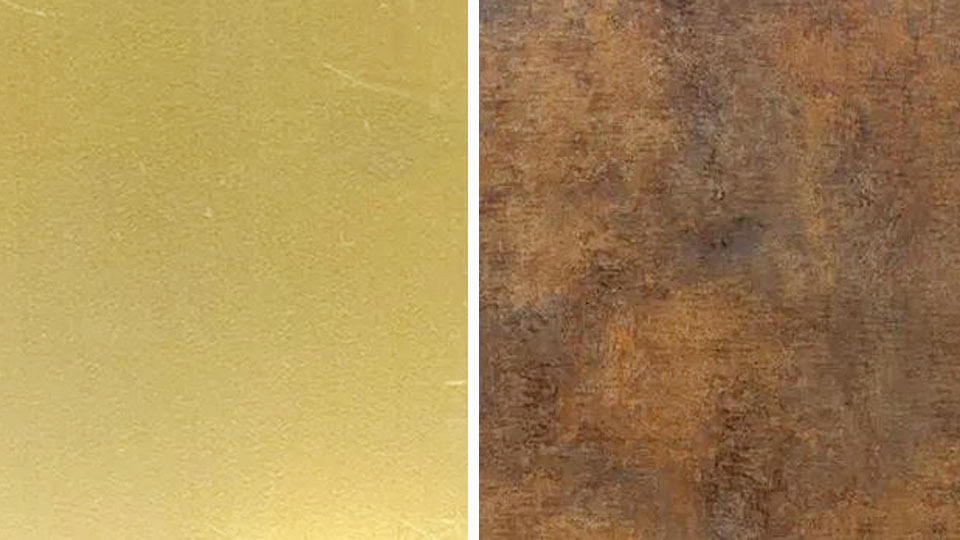
Welding brass pipe is a specialized skill that can seem difficult, even for experienced metalworkers. Brass, an alloy of copper and zinc, responds differently to heat compared to steel or pure copper.
If you need to repair, fabricate, or join brass pipes for plumbing, musical instruments, or industrial purposes, you must understand the unique properties of brass, the right techniques, and the common mistakes to avoid.
With the right approach, tools, and careful preparation, you can create strong, leak-proof joints that last.
In this guide, you’ll learn everything you need to know to weld brass pipe successfully. We’ll cover the science behind brass welding, safety, preparation, the best welding methods, troubleshooting, and advanced tips.
Whether you’re a beginner or have some experience with welding, you’ll walk away with practical knowledge that saves time and reduces costly errors.

Image by dayangweldings
Understanding Brass And Its Challenges
Before picking up a torch, it’s important to know why welding brass is unique. Brass is made of copper and zinc, and sometimes other metals like lead or tin are added for special properties. The exact composition affects how the metal melts and behaves under heat.
Key challenges when welding brass pipe:
Low melting point: Brass melts between 900°C to 940°C (1652°F to 1724°F). The zinc in brass vaporizes at around 907°C (1665°F), which can release toxic fumes and cause porosity (tiny holes) in the weld.
Thermal conductivity: Brass conducts heat quickly, so heat spreads fast from the weld area. This makes it hard to keep the right temperature in one spot.
Oxidation: When heated, the surface can oxidize, making it harder for the filler metal to bond.
Zinc loss: Excessive heat can burn out the zinc, leaving behind porous, weak joints.
Insight: Many beginners try to weld brass like steel, using the same heat and speed. This often leads to burnt, brittle joints. The secret is controlling your temperature and working quickly but carefully.
Safety Precautions When Welding Brass
Welding brass is not just about technique—it’s about safety. Zinc vapor can harm your lungs, and hot brass can cause burns. Always take these steps:
- Ventilation: Work in a well-ventilated area or use an exhaust hood. Never weld brass in a small, closed space.
- Respiratory protection: Wear a proper respirator rated for metal fumes, especially for zinc.
- Eye protection: Use a welding helmet or safety goggles with UV protection.
- Gloves and clothing: Wear flame-resistant gloves and long sleeves to protect from sparks and hot metal.
- Fire safety: Keep flammable materials far from your work area. Have a fire extinguisher nearby.
Non-obvious tip: If you feel flu-like symptoms after welding brass (sore throat, headache), you might have “metal fume fever.” This is caused by inhaling zinc fumes. Stop working immediately and get fresh air.
Tools And Materials Needed
Having the right tools makes the process smoother and safer. Here’s what you’ll need for most brass pipe welding jobs:
- Welding torch: Oxy-acetylene or propane torch with adjustable flame.
- Filler rod: Choose a brass filler rod with a similar zinc content or a silver-bearing rod for higher strength.
- Flux: Use a flux designed for brass (borax-based is common), which helps prevent oxidation.
- Pipe clamps or vices: To hold pipes steady.
- Wire brush or emery cloth: For cleaning the pipe surfaces.
- Measuring tools: Ruler, caliper, or tape measure.
- Personal protective equipment: Gloves, respirator, safety goggles.
- Heat sink: A wet rag or metal block to absorb excess heat and prevent warping.
- Fire-resistant mat: To protect your work surface.
Expert insight: Not all fluxes are the same. Using the wrong flux can lead to dirty, weak welds. Always check that your flux is rated for brass and not just for copper or steel.
Preparing Brass Pipe For Welding
Preparation is often overlooked, but it’s critical for strong, clean welds. Don’t rush this step.
Cut the pipes cleanly: Use a pipe cutter or hacksaw for a smooth edge. Avoid jagged edges, which are hard to weld.
Deburr the ends: Use a file or deburring tool to remove sharp edges inside and outside the pipe.
Clean the surface: Use a wire brush, sandpaper, or emery cloth to remove dirt, oil, and oxidation from the areas to be welded. The metal should look shiny.
Dry fit the pipes: Assemble the pieces without welding to check alignment and fit.
Apply flux: Brush a thin, even layer of flux to the joint area. This prevents oxidation during heating and helps the filler metal flow.
Secure the work: Use clamps or a vice to hold pipes steady and in the correct position.
Overlooked detail: Many people clean only the outside of the pipe. For the best weld, also clean the inside edges where the filler will flow.

Credit: www.youtube.com
Choosing The Right Welding Method
Not all welding methods work well with brass pipe. Below is a comparison of the most common options.
| Method | Pros | Cons | Best For |
|---|---|---|---|
| Brazing (Torch Welding) | Low cost, easy to control, strong joints | Requires practice, risk of overheating | Most brass pipes (plumbing, crafts) |
| TIG Welding | Precise, clean welds, less zinc loss | Expensive equipment, slower process | Thin-walled pipes, high-quality work |
| MIG Welding | Fast, good for large volumes | Hard to control heat, porosity risk | Industrial jobs, thicker pipes |
| Stick Welding (SMAW) | Simple equipment, works outdoors | Rough finish, less control | Heavy-duty, non-visible joints |
For most brass pipe work, brazing (sometimes called torch welding or soldering) is the best balance of strength, cost, and ease. TIG welding is preferred for thin pipes or when appearance matters.
Pro tip: Never use arc welding (MMA/Stick) on thin brass pipes. The heat is hard to control and can melt right through.
Step-by-step: How To Weld Brass Pipe Using Brazing
The following steps describe the most reliable method—brazing—for joining brass pipes. This method uses a filler rod and flux but doesn’t actually melt the pipe itself, only the filler.
1. Set Up Your Workspace
Make sure your area is clean, well-lit, and ventilated. Lay out your tools and check that your torch and gas supply are working. Place a fire-resistant mat under your work.
2. Prepare The Pipes
Cut, deburr, and clean the pipes as described earlier. Assemble and clamp them in place. Apply flux to all surfaces that will be joined.
3. Adjust Your Torch
Light the torch and adjust for a neutral flame (not too much oxygen or fuel). The flame should be steady and blue, not yellow or flickering.
4. Heat The Joint Evenly
Move the flame back and forth over the joint, heating both pipe ends evenly. Do not focus on one spot—this avoids warping and reduces zinc loss. The flux will start to bubble and turn clear.
5. Apply Filler Rod
Touch the filler rod to the joint. It should melt and flow smoothly into the gap by capillary action. If it doesn’t, the joint isn’t hot enough. Don’t let the flame touch the filler rod directly—heat the pipe, not the rod.
6. Keep The Joint Hot
Continue heating just enough for the filler to flow around the joint. Move the rod around the pipe for a complete seal. Don’t overheat or the zinc will vaporize.
7. Allow To Cool
Remove the flame and let the joint cool naturally. Do not quench with water as this can cause cracks.
8. Clean The Joint
Once cool, remove flux residue with a wire brush and warm water. Flux left on the joint can cause corrosion over time.
Beginner’s mistake: Many new welders overheat the pipe, thinking more heat equals a stronger weld. In reality, this weakens the joint and causes porosity.
Tig Welding Brass Pipe: When And How
TIG (Tungsten Inert Gas) welding is suitable for thin brass pipes or when you want a nearly invisible weld. It requires more skill and specialized equipment.
Steps for TIG welding:
- Set your machine: Use pure argon shielding gas. Start with low amperage (about 30–60A for thin pipes).
- Prepare a tungsten electrode: Use a 2% thoriated or ceriated tungsten, sharpened to a fine point.
- Clean the pipes and apply flux: TIG usually doesn’t need flux, but for brass, a small amount helps.
- Tack weld the joint: Make small tack welds to hold the pipe.
- Weld in short sections: Move quickly to avoid overheating. Let the joint cool between passes.
- Feed the filler rod: Use a silicon-bronze or brass rod, feeding it gently into the weld puddle.
Insider tip: Many skip preheating for TIG, but a quick preheat with a torch can make a big difference in how smoothly the filler flows.
Common Problems And How To Fix Them
Welding brass is tricky because you’re fighting both the metal and the clock. Here’s how to troubleshoot the most frequent issues:
| Problem | Cause | Solution |
|---|---|---|
| Porosity (tiny holes) | Zinc vaporizing, dirty metal, wrong flux | Lower heat, clean better, use correct flux |
| Cracks after cooling | Quenching too fast, over-tight clamps | Let cool naturally, loosen clamps slightly |
| Weak joint | Poor fit-up, not enough filler, under-heating | Check fit, add more filler, ensure even heat |
| Discoloration | Overheating, wrong flame | Use neutral flame, reduce heat, clean after welding |
Testing And Inspecting Your Weld
Don’t assume your weld is good just because it looks shiny. Testing is crucial, especially for pipes that will carry water, gas, or pressure.
- Visual check: Look for gaps, holes, or discoloration. The weld should be smooth and continuous.
- Tap test: Gently tap the welded area with a small hammer. A solid, ringing sound means a good weld; a dull thud means weakness or porosity.
- Pressure test: Seal one end of the pipe, fill with water or air, and check for leaks at the joint.
- Bend test (if possible): Gently bend the pipe near the weld to see if it cracks or separates.
Often missed: Even a small crack can lead to leaks under pressure. Always pressure test critical pipes.
Advanced Tips For High-quality Brass Pipe Welding
- Preheat thick pipes: For pipes thicker than 1/8 inch (3mm), preheat gently with a torch to avoid thermal shock and uneven heating.
- Use a heat sink: Clamp a wet rag or metal block near the joint to draw away excess heat and prevent warping.
- Choose the right filler: For maximum strength, match the filler rod’s zinc content to the base metal. For more corrosion resistance, use a silver-bearing rod.
- Keep pipes aligned: Misalignment weakens the joint. Use pipe clamps and check with a square or ruler.
- Practice on scrap: Brass is expensive and mistakes are costly. Test your technique on scrap pieces before the final weld.
Secret from professionals: Slightly beveling the pipe edges (a 30–45° angle) allows more filler to enter the joint, making it stronger and less likely to crack.
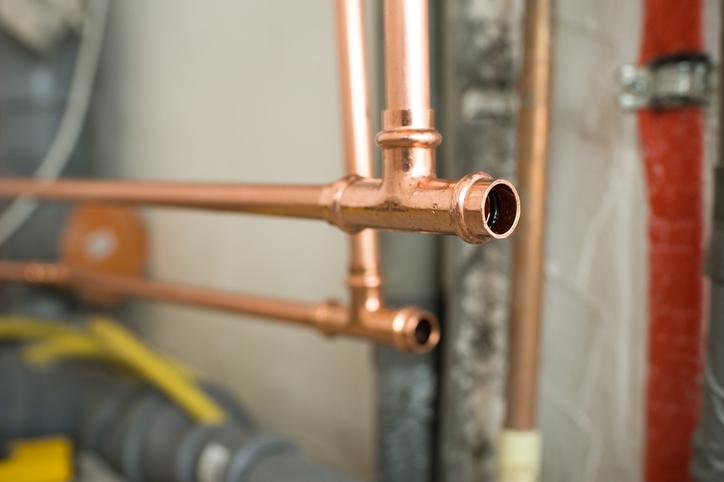
Credit: www.benjaminfranklinplumbing.com
When To Weld, Solder, Or Braze Brass Pipe
Welding, soldering, and brazing are often confused, but they are not the same. Each has its place.
- Welding: Melts the base metal and filler. Best for thick pipes and structural joints. Rare for brass pipe due to zinc issues.
- Brazing: Melts only the filler, not the base metal. Strong, leak-proof joints. Most common for brass pipes.
- Soldering: Uses lower heat and a soft filler (like tin-lead or tin-silver). Good for low-pressure or decorative work, not for structural or high-pressure pipes.
General rule: For most plumbing or industrial brass pipe, brazing is the safest, strongest option.
Repairing Brass Pipe Joints
If a brass pipe joint fails, you can often repair it without replacing the whole pipe.
- Clean the area thoroughly: Remove old filler, oxidation, and debris.
- Remove moisture: Any water left inside will cause steam and bubbles.
- Reapply flux and filler: Repeat the brazing process, focusing on even heat.
- Test for leaks: Always check after repair, especially for water or gas pipes.
Note: If the joint has many cracks or the pipe is very thin, replacement is safer than repair.
Environmental And Health Considerations
Brass welding releases fumes, especially zinc oxide, which is hazardous. Never ignore these risks:
- Always use a fume extractor, especially indoors.
- Collect and dispose of waste flux and metal shavings properly.
- Wash hands and face after welding to remove any metal dust.
For more on health hazards, see the U.S. National Institute for Occupational Safety and Health’s Welding Safety Guide.
Often missed: If you weld regularly, ask your doctor for a blood test for heavy metals at least once a year.
Wrapping Up
Mastering how to weld brass pipe is a rewarding skill that opens new possibilities in plumbing, art, and industry. With careful preparation, the right tools, and attention to safety, you can achieve professional-quality results—even as a beginner. Remember, practice and patience make the difference between a weak joint and a weld you can trust for years.
Frequently Asked Questions
How Can I Avoid Zinc Fumes When Welding Brass?
Work in a well-ventilated space, use a fume extractor, and wear a respirator rated for metal fumes. Keep the heat just high enough to melt the filler, not the brass itself, to minimize zinc vaporization.
What Type Of Filler Rod Is Best For Brass Pipe Welding?
Use a brass filler rod with similar zinc content to your pipe. For extra strength or corrosion resistance, a silver-bearing rod is a good choice. Check the manufacturer’s recommendations for compatibility.
Can I Weld Brass Pipe With A Standard Arc Welder?
No, standard arc welders (stick/MMA) are not recommended for brass pipes, especially thin ones. They can easily burn through the metal and cause porosity. Use brazing or TIG for best results.
How Do I Test A Brass Pipe Weld For Leaks?
Seal one end of the pipe, fill with water or compressed air, and check for drips or bubbles at the joint. Use soapy water for air tests to make bubbles easier to see.
What Should I Do If My Brass Weld Looks Dull Or Gray?
Dull or gray color usually means overheating or poor cleaning. Use a neutral flame, avoid direct contact with the filler rod, and always clean the joint before and after welding.