Working with brass pipes is common in plumbing, heating, and even art projects. Whether you need to repair a leak, join two pipes, or build something new, learning how to solder brass pipe is a valuable skill.
Many beginners find soldering intimidating, but with the right steps, tools, and a bit of patience, you can create strong, long-lasting connections.
In this guide I’ll walk you through everything from understanding brass and soldering basics to advanced tips that even some experienced DIYers miss.

Image by donyronymfg
Why Solder Brass Pipe?
Brass pipes are widely used because they resist corrosion, can handle high pressures, and last for decades. Soldering, sometimes called “sweating,” is a process where you use melted metal (solder) to join pipes and fittings.
The result is a watertight and gas-tight seal. In plumbing, soldering is preferred over glue or compression fittings for its strength and reliability.
When you solder brass pipes correctly, you get:
- Leak-proof joints that last for years
- Resistance to vibration and movement
- A professional look in visible plumbing installations
However, soldering brass is a bit different from soldering copper. Brass requires slightly different temperatures and techniques. Understanding these differences is key for success.
Understanding Brass And Soldering Basics
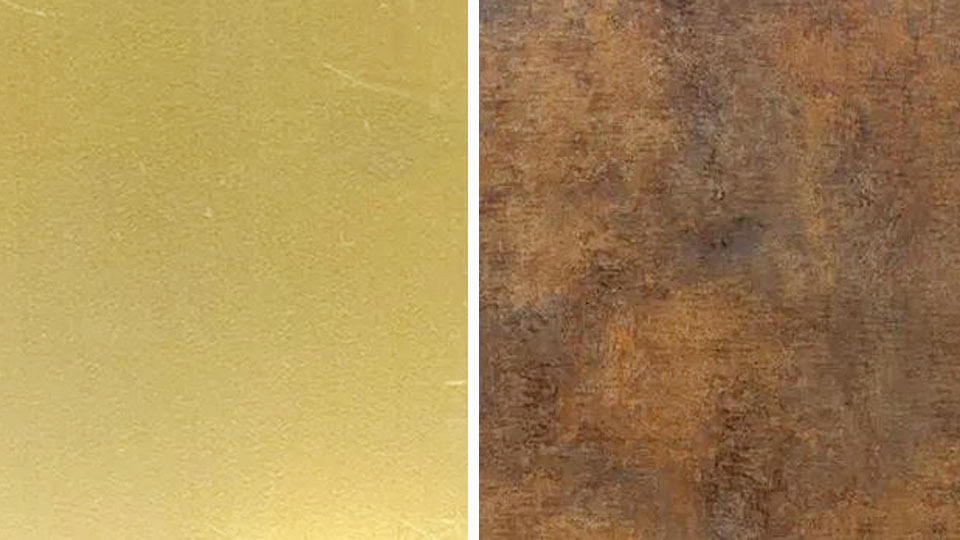
Brass is an alloy, mainly of copper and zinc, and is harder than pure copper. It can handle higher temperatures, but also needs more heat to solder. Solder is usually an alloy of tin and lead (for non-potable water), or tin and silver (for drinking water lines).
Common Types Of Brass Pipes
- Yellow Brass (33% zinc) – Used in most fittings and valves.
- Red Brass (85% copper, 15% zinc) – Preferred for water lines, more corrosion resistant.
- Naval Brass – Used for marine applications due to added tin.
Most home projects use yellow or red brass. Identifying your pipe type helps you choose the right solder and flux.
How Soldering Works
When you heat the brass pipe and fitting, you apply flux (a paste that prevents oxidation), then touch solder to the hot metal. The solder melts and is drawn into the joint by capillary action, creating a strong bond as it cools.
Tools And Materials You Need
Before you start, gather all the tools and materials to avoid mid-project delays. Here’s what you’ll need:
- Brass pipe and fittings (make sure they are clean and undamaged)
- Pipe cutter or hacksaw
- Emery cloth or sandpaper (for cleaning pipe ends)
- Wire brush (for inside fittings)
- Soldering flux (water-soluble for potable water, petroleum-based for others)
- Lead-free solder (for drinking water systems)
- Propane or MAPP gas torch (MAPP burns hotter, useful for thicker brass)
- Heat-resistant gloves
- Safety glasses
- Pipe brush or acid brush (for applying flux)
- Wet rag or sponge (for cleaning excess flux and cooling joints)
- Fire-resistant mat (to protect surfaces)
- Pipe wrench (if removing or tightening fittings)
- Measuring tape
- Deburring tool (to smooth pipe ends after cutting)
Key Differences: Brass Vs. Copper Soldering
| Feature | Brass Pipe | Copper Pipe |
|---|---|---|
| Required Heat | Higher | Lower |
| Flux Type | More tolerant | Less tolerant |
| Common Use | Fittings, valves | Water supply |
| Solder Type | Similar | Similar |
| Risk of Overheating | Medium | Lower |
Brass heats more slowly but holds heat longer. This means you must be patient and avoid overheating, which can damage fittings or even melt the zinc in brass.
Preparing The Brass Pipe And Fittings
Proper preparation is the foundation of a good soldered joint. Skipping steps here leads to leaks, weak connections, and even pipe failure.
Step 1: Measure And Cut
Measure the length of pipe you need. Use a pipe cutter for clean, straight cuts. If using a hacksaw, cut slowly to avoid jagged edges.
Step 2: Deburr And Clean
After cutting, use a deburring tool or round file to remove sharp edges inside and outside the pipe. This helps the pipe fit snugly into the fitting and allows solder to flow evenly.
Next, clean the outside of the pipe and the inside of the fitting with emery cloth or sandpaper until the metal shines. Any dirt, oil, or tarnish will prevent solder from sticking.
Step 3: Dry Fit
Assemble the pipe and fittings without flux or solder to make sure everything fits well. The pipe should slide into the fitting about 2/3 of the way without force.
Step 4: Apply Flux
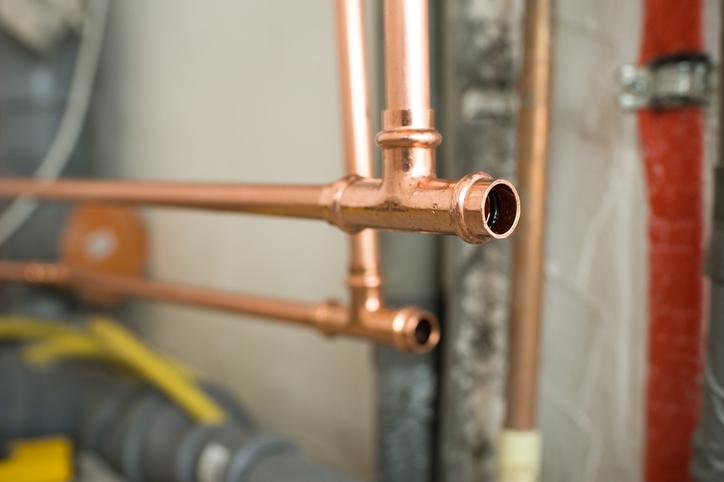
Use a brush to apply a thin, even layer of flux to the outside of the pipe and the inside of the fitting. Flux is essential—it cleans the metal as you heat it, prevents oxidation, and helps the solder flow.
Credit: www.benjaminfranklinplumbing.com
Setting Up Your Workspace
Soldering requires a safe, well-ventilated area. Here are a few tips:
- Place a fire-resistant mat under your work area.
- Keep a bucket of water or fire extinguisher nearby.
- Remove any flammable materials, including paper, rags, or chemicals.
- Open windows or use a fan for ventilation.
If you’re working near walls or wood, use a metal heat shield to protect surfaces.
The Soldering Process: Step-by-step
Now you’re ready to solder the brass pipe. The process is simple, but attention to detail makes all the difference.
Step 1: Assemble The Joint
Push the cleaned, fluxed pipe into the fitting. Twist slightly to spread the flux evenly inside the joint.
Step 2: Heat The Joint
Light your propane or MAPP gas torch. Hold the flame about 1–2 inches away from the joint and move it around to heat both the pipe and the fitting evenly. Brass takes longer to heat than copper, so be patient.
Do not focus the flame on one spot—this can overheat and damage the fitting.
A good sign is when the flux begins to bubble and sizzle, usually around 350°F (175°C). The solder itself melts at about 420–460°F (215–238°C).
Step 3: Apply The Solder
Touch the solder to the joint (not the flame!). If the joint is hot enough, the solder will melt and be drawn into the space between the pipe and fitting. Move the solder all around the joint for an even seal.
You only need enough solder to fill the joint—excess will just drip out or make a mess.
Step 4: Remove Heat And Let Cool
Once the solder has flowed around the entire joint, remove the heat. Do not move the pipe or fitting while the solder is cooling, as this can break the seal.
After a minute, wipe off any excess flux with a wet rag. Flux left on the pipe can cause corrosion over time.
Step 5: Inspect The Joint
A good joint will have a smooth, shiny ring of solder around the edge. If you see gaps, holes, or dull spots, the joint may be weak. In this case, reheat and add more solder, or disassemble, clean, and start over.
Advanced Tips For Strong, Leak-free Joints
Some important details can take your soldering from basic to professional.
1. Use The Right Solder And Flux
For drinking water lines, always use lead-free solder and water-soluble flux. For non-potable water (like heating), you can use tin-lead solder and petroleum-based flux.
2. Heat The Joint, Not The Solder
A common beginner mistake is to heat the solder directly. Always heat the joint so the solder melts when it touches the metal. This ensures the solder flows into the joint and bonds properly.
3. Avoid Overheating
Overheating can burn off the flux, causing oxidation and poor solder flow. If the metal turns blue or the flux turns black, you’ve heated too much. Let it cool, clean, and try again.
4. Don’t Skimp On Cleaning
Even tiny amounts of oil, dirt, or corrosion can ruin a joint. Always clean thoroughly, even on new pipes and fittings.
5. Practice On Scrap First
If you’re new, practice on some leftover brass pipe. This helps you get a feel for how quickly the pipe heats up and how solder flows.
6. Watch For “weeping” Leaks
A joint that looks fine may develop a slow drip, called “weeping,” after a few hours. This often means not enough solder or poor cleaning. Always pressure test your work before closing up walls.
Common Problems And How To Fix Them
Even experienced plumbers make mistakes. Here are some issues you may encounter and how to solve them.
Solder Won’t Stick
- Cause: Dirty metal, no flux, or not hot enough.
- Fix: Disassemble, clean both pieces, reapply flux, and try again.
Solder Runs Off Joint
- Cause: Overheated joint, burned flux.
- Fix: Let cool, clean off burned flux, reapply, and heat more slowly.
Joint Leaks After Cooling
- Cause: Too little solder, moved joint before cool, or gaps in fitting.
- Fix: If leak is small, heat and add more solder. For big leaks, disassemble and restart.
Pipe Discolors Or Warps
- Cause: Too much heat.
- Fix: Use less heat, move flame around more. If badly damaged, replace fitting.
Comparing Soldering Brass With Other Methods
Brass pipes can be joined in several ways. Here’s how soldering compares to other popular methods:
| Joining Method | Strength | Cost | Skill Required | Long-term Reliability |
|---|---|---|---|---|
| Soldering | High | Low | Moderate | High |
| Threaded Fittings | Medium | Medium | Moderate | Medium |
| Compression Fittings | Low | High | Low | Low |
| Brazing | Very High | Medium | High | Very High |
Soldering is the best balance for most home and light commercial brass piping jobs. Brazing, which uses much higher heat and a stronger filler metal, is used for very high-pressure systems.
Safety Tips When Soldering Brass Pipe
Soldering involves heat, flames, and chemicals. Here’s how to stay safe:
- Wear safety glasses to protect your eyes from hot solder and flux splatter.
- Use heat-resistant gloves to avoid burns.
- Work in a ventilated area; flux fumes can be irritating or dangerous.
- Keep a fire extinguisher or water source nearby.
- Never solder pipes containing water; they can burst and spray hot steam.
- Let pipes cool before touching or moving them.
- Dispose of old solder and flux safely; they may contain lead or other harmful chemicals.

Credit: donyronymfg.com
Testing Your Soldered Joint
After soldering and allowing the joint to cool, it’s important to test for leaks before putting the pipe into full use.
Pressure Test Steps
- Seal both ends of the pipe (if possible).
- Connect a pressure gauge and pump air or water into the pipe up to its normal operating pressure.
- Check for leaks at all soldered joints. Even a tiny bubble or drip means the joint is not sealed.
- If you find a leak, mark the spot, drain the pipe, and repair as described above.
Real-world Example
A homeowner repairs a leaking brass elbow under a kitchen sink. After soldering the new joint, they fill the pipe and check for leaks. They notice a slow drip after an hour. The homeowner drains the pipe, reheats the joint, and adds more solder.
The leak stops, showing how even small gaps can be fixed with patience.
When To Call A Professional
Soldering is a good DIY skill, but there are times when calling a plumber is smarter:
- If you need to solder large-diameter pipes (over 2 inches)
- When working near gas lines or electrical wiring
- For high-pressure or critical systems (like fire sprinklers)
- If you’ve tried several times and still get leaks
Professional plumbers have experience, tools, and insurance that protect your home.
Environmental And Health Considerations
Be aware of health and environmental issues when soldering:
- Always use lead-free solder for water pipes that carry drinking water.
- Collect and dispose of old solder, flux, and cleaning materials properly.
- Ventilate your workspace to avoid inhaling fumes.
- Keep children and pets away from the work area.
For more on safe soldering and materials, see the EPA’s Lead Information.
Common Beginner Mistakes And How To Avoid Them
- Not cleaning enough: Even a little dirt will ruin the joint. Clean until shiny.
- Using too much flux: Excess flux can drip inside the pipe and cause blockages.
- Moving the pipe before it cools: This creates weak or leaky joints.
- Using the wrong type of solder: Always check if your system needs lead-free solder.
- Not heating the joint evenly: Move the torch around the fitting, not just in one spot.
Essential Troubleshooting Table
Here’s a quick reference for the most common soldering issues and solutions:
| Problem | Likely Cause | How to Fix |
|---|---|---|
| Solder beads up, won’t flow | Dirty pipe or not enough heat | Clean thoroughly, reheat, try again |
| Joint leaks under pressure | Insufficient solder or moved during cooling | Reheat and add more solder, keep joint still |
| Flux burns away quickly | Overheating | Use less heat, heat gradually |
| Pipe discolors or warps | Excessive heat or poor torch technique | Use a heat shield, move torch evenly |
Final Thoughts
Learning how to solder brass pipe can save you time, money, and frustration. With careful preparation, the right tools, and attention to detail, you can create strong, professional-quality joints. Practice on scrap pieces, follow safety rules, and take your time—your finished work will be proof of your growing skill.
Frequently Asked Questions
How Do I Know If My Brass Pipe Joint Is Fully Soldered?
Look for a continuous, shiny ring of solder around the entire joint. If you see gaps or dull spots, heat and add more solder. Test the joint under pressure before use.
Can I Use Plumbing Solder On All Types Of Brass?
Most plumbing solder works on yellow and red brass. For special types like naval brass or high-pressure systems, check the manufacturer’s guidelines for compatible solder.
What’s The Difference Between Soldering And Brazing Brass Pipe?
Soldering uses lower heat (around 450°F/232°C) and softer metals like tin. Brazing uses higher heat (over 1100°F/593°C) and stronger metals like silver or brass alloy. Brazing is for high-pressure or structural jobs.
Is Flux Always Necessary When Soldering Brass Pipe?
Yes, flux is essential. It prevents oxidation, cleans the metal, and helps the solder flow into the joint. Always use flux, and choose the right type for your application.
What Should I Do If The Joint Keeps Leaking After Soldering?
Disassemble and clean both the pipe and fitting thoroughly. Reapply flux, reassemble, and solder again. Persistent leaks usually mean dirt, poor cleaning, or a damaged fitting.