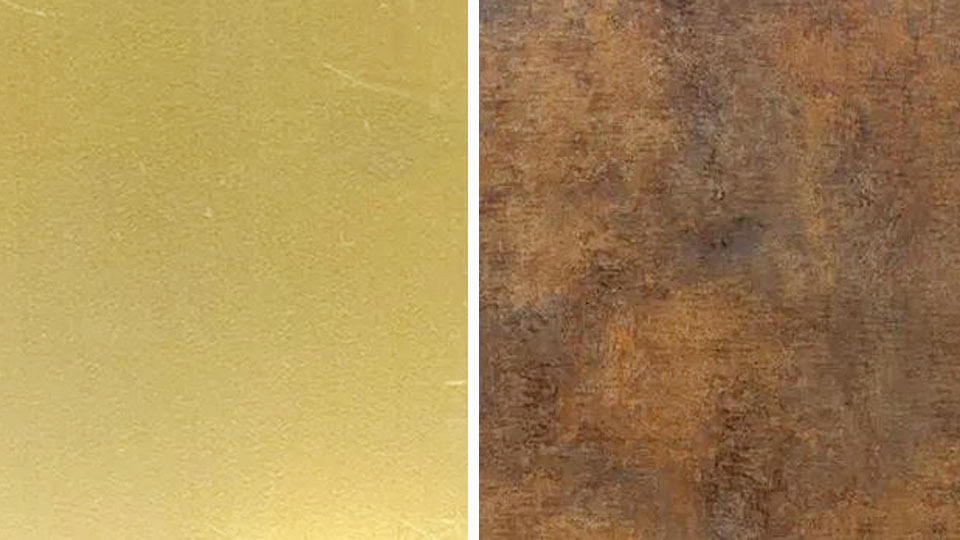
Soldering brass to copper might seem challenging at first, but trust me, once you understand the process and take your time, it’s not as daunting as it sounds. If you’re working on plumbing projects, crafting decorative pieces, or repairing household items, mastering this skill is incredibly useful.

Image by donyronymfg
I’ve worked on a variety of projects that required joining brass to copper, and I can confidently say it’s one of those skills that gets easier and more rewarding with practice.
I’ll guide you step by step through the process of soldering brass to copper. I’ll share tips and tricks I’ve learned along the way, explain the tools you’ll need, and walk you through troubleshooting common issues. By the time you’re done reading, you’ll feel confident enough to tackle this on your own.
Why Solder Brass to Copper?
Before diving into the details, let’s understand why you’d want to solder brass to copper in the first place. Both metals are popular in various industries due to their unique properties.
Durability: Brass and copper are strong and resistant to corrosion, making them ideal for plumbing and structural applications.
Versatility: These metals are commonly used in decorative projects, jewelry making, and DIY repairs.
Thermal Conductivity: Copper’s excellent heat conductivity pairs well with brass in heating systems or electrical applications.
Aesthetic Appeal: Brass and copper complement each other beautifully, giving projects a classic and elegant look.
Joining these metals through soldering ensures a durable and functional connection while preserving their individual properties.
Tools and Materials You’ll Need
Having the right tools and materials is crucial for a successful soldering job. Here’s what you’ll need to get started:
Tools
- Propane Torch: Essential for heating the metals evenly.
- Wire Brush or Sandpaper: For cleaning the surfaces of the metals.
- Pipe Cutter (if needed): For cutting brass or copper pipes.
- Clamp or Vice: To hold the pieces securely while soldering.
- Heat-Resistant Gloves and Safety Glasses: To protect yourself from heat and debris.
Materials
- Solder: Lead-free solder is recommended, especially for plumbing projects.
- Flux: This helps the solder flow and adhere properly to the metals.
- Brass and Copper Pieces: The components you’ll be joining together.
- Cleaning Solution: For degreasing the metals before soldering.
Preparing Brass and Copper for Soldering
The preparation step is arguably the most important part of the process. If you skip or rush this step, the solder won’t adhere properly, and the joint will be weak.
Clean the Surfaces
Both brass and copper must be clean and free of oxidation, dirt, and grease. Use a wire brush or fine-grit sandpaper to scrub the surfaces that will be joined. Pay extra attention to any areas with discoloration or tarnish.
Apply Flux
Flux is the magic ingredient in soldering. It prevents oxidation during heating and helps the solder flow smoothly. Apply a thin, even layer of flux to both the brass and copper surfaces where they’ll be joined.
Fit the Pieces Together
If you’re working with pipes or fittings, make sure the pieces fit snugly. Proper alignment is key to creating a strong and leak-proof joint.
How to Solder Brass to Copper
Now that everything is prepped, it’s time to solder. Follow these steps carefully to ensure a successful outcome.
Step 1: Heat the Joint
Use your propane torch to heat the joint evenly. Move the flame around the brass and copper surfaces to distribute the heat. Brass heats up slower than copper, so focus on the brass initially to bring it up to temperature.
Step 2: Apply Solder
Once the metals are hot enough, touch the solder to the joint. The heat from the metals (not the torch) should melt the solder, allowing it to flow into the joint. If the solder doesn’t melt, continue heating the metals.
Step 3: Let It Cool
After the joint is filled with solder, remove the heat and let the metals cool naturally. Avoid touching or moving the joint during this time.
Step 4: Clean the Joint
Once the metals have cooled completely, clean off any residual flux with a damp cloth. This prevents corrosion and ensures a neat finish.
Some Mistakes and How to Avoid Them
Even with careful preparation, mistakes can happen. Here are some common issues and how to fix them:
| Problem | Cause | Solution |
|---|---|---|
| Solder Doesn’t Stick | Dirty or oxidized surfaces | Clean thoroughly and reapply flux |
| Joint Leaks | Insufficient solder or heat | Reheat and add more solder |
| Overheating Metals | Keeping the torch in one spot too long | Keep the flame moving evenly |
| Weak Joint | Poor alignment or inadequate flux | Reposition and start over |
Comparing Soldering Brass and Copper
While both brass and copper are relatively easy to solder, they have different properties that affect the process.
| Feature | Brass | Copper |
|---|---|---|
| Heat Conductivity | Medium | High |
| Melting Point | Higher | Lower |
| Oxidation | More prone to oxidation | Less prone to oxidation |
| Soldering Difficulty | Slightly harder | Easier |
Understanding these differences will help you adjust your technique when working with these metals.
Tips for Soldering Brass to Copper in Tight Spaces
Sometimes, soldering in cramped or awkward spaces can be challenging. Here’s how to make it easier:
- Use a Smaller Torch Tip: This gives you more control and prevents overheating.
- Preheat the Pieces: Preheating the brass and copper before assembling them can make the soldering process faster.
- Secure the Pieces: Use clamps or supports to hold the metals steady while you work.
Troubleshooting: What to Do If Things Go Wrong
If your soldering job doesn’t turn out as planned, don’t panic. Most issues can be fixed with a little extra effort.
Fixing a Leaky Joint
If you notice a leak in your joint, reheat the area and add more solder. Make sure the flux is still present, or reapply if needed.
Removing Excess Solder
If there’s too much solder on the joint, heat it gently and use a soldering wick or cloth to remove the excess.
Dealing with Overheating
Overheated metals can become discolored or damaged. If this happens, clean the surface with sandpaper and try again.
Testing the Joint
After soldering, it’s important to test the joint to ensure it’s strong and leak-proof.
- Visual Inspection: Look for a smooth, even layer of solder around the joint. There should be no gaps or excess solder.
- Leak Test: For plumbing projects, run water or air through the pipe to check for leaks.
- Stress Test: Gently tug on the joint to make sure it’s secure.
Conclusion
Soldering brass to copper might seem like a tricky task at first, but with the right tools, preparation, and techniques, it’s a skill anyone can learn. If you’re working on a plumbing project, a DIY repair, or a decorative piece, the process is all about patience and precision.
The key is to clean and prepare the metals thoroughly, apply flux generously, and heat the joint evenly. Practice makes perfect, so don’t be afraid to make mistakes and learn from them. Once you master this skill, you’ll have the confidence to tackle a wide range of projects.
FAQs
Can I use regular solder for brass and copper?
Yes, but make sure it’s lead-free solder for plumbing applications to ensure safety.
Why won’t my solder stick to the metals?
The most common reason is dirty or oxidized surfaces. Clean the metals thoroughly before soldering.
Do I need to use flux when soldering brass to copper?
Absolutely. Flux is essential for preventing oxidation and helping the solder flow properly.
Can I use a soldering iron instead of a torch?
No, a soldering iron doesn’t provide enough heat for brass and copper. Use a propane torch for best results.
How can I avoid overheating the metals?
Keep the torch moving and heat the joint evenly. Avoid focusing the flame on one spot for too long.